
Fargo to La Esperanza
La Esperanza → FargoFTL freight transportation service between Fargo and La Esperanza. Reliable logistics solutions for your business.
Route Description
Everything you need to know about the corridor Fargo - La Esperanza
The logistics corridor between Fargo, North Dakota, and La Esperanza, Honduras, represents a vital cross-border connection spanning approximately 3,716 kilometers. This route links the industrial heartland of the Upper Midwest with the agricultural and textile regions of Central America, facilitating the movement of diverse cargo types essential for both economies. The corridor traverses multiple countries, requiring seamless coordination across different transportation networks and regulatory environments.
The route primarily follows major highway systems through the United States, Mexico, and Guatemala before reaching Honduras. Key transportation infrastructure includes interstate highways in the U.S., the Mexican Federal Highway system, and the CA-1 Pan-American Highway through Central America. This extensive network enables reliable freight movement while connecting major industrial centers, ports, and border crossings along the way.
This corridor serves numerous industries including automotive parts, agricultural products, textiles, and consumer goods. Manufacturing facilities in North Dakota and surrounding states rely on this connection to supply components and finished products to Central American markets, while Honduran producers utilize the route for exporting goods northward. Control Terrestre specializes in managing the complexities of this cross-border operation, ensuring efficient customs clearance and coordinated multi-modal transportation solutions that maintain cargo integrity throughout the journey.
Services for this Route
Available services for the corridor Fargo - La Esperanza
 Origin
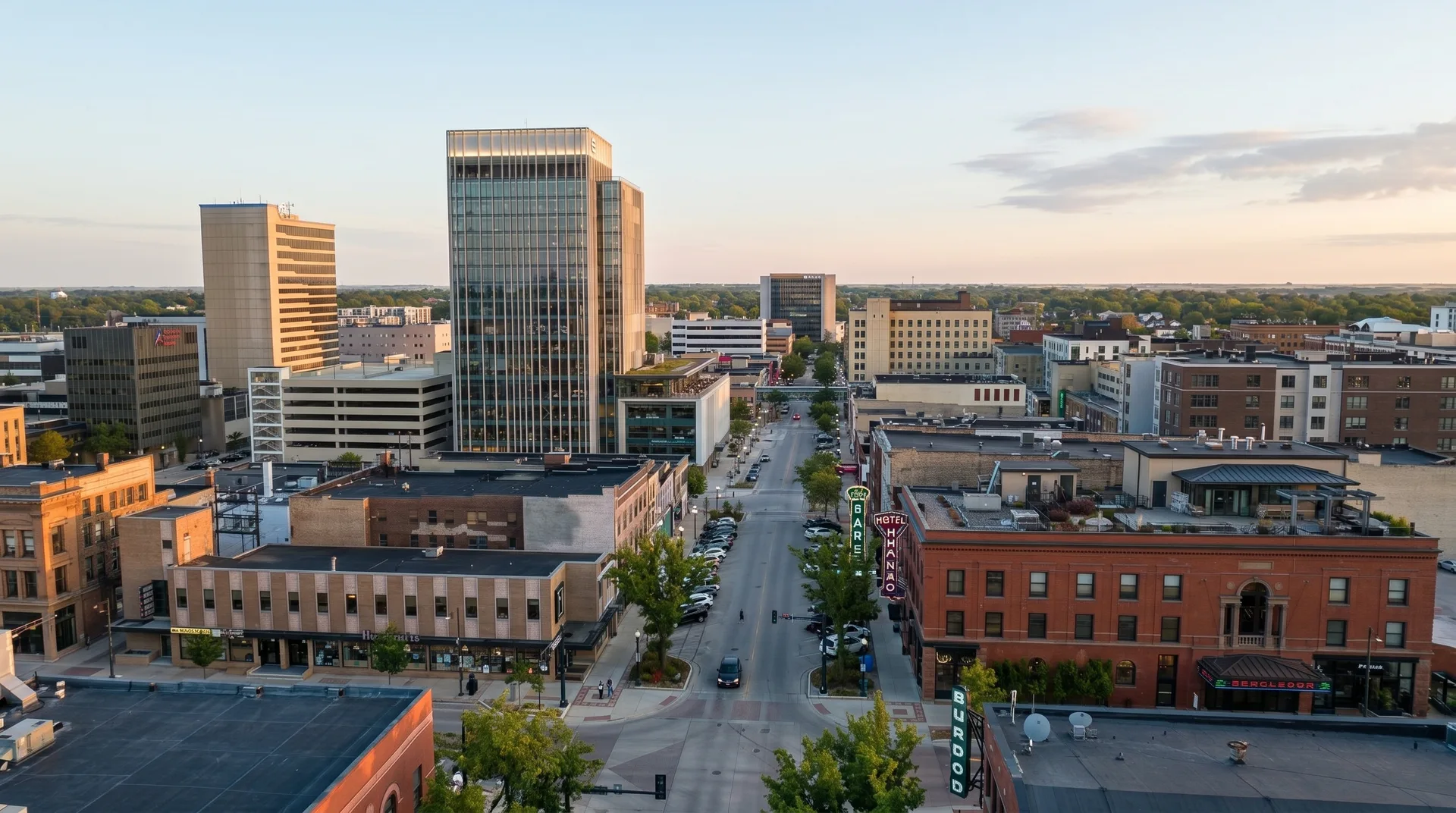
Fargo
Fargo, North Dakota serves as a strategic logistics hub in the Upper Midwest, benefiting from its location near major transportation corridors and proximity to the Canadian border. The city's economy is anchored by agriculture, manufacturing, healthcare, and technology sectors, creating consistent demand for freight transportation services. Fargo's well-developed infrastructure includes access to Interstate 29 and Interstate 94, providing direct connections to major markets throughout the central United States and Canada.
The region's industrial base includes food processing facilities, agricultural equipment manufacturers, and technology companies that require reliable logistics solutions for both inbound raw materials and outbound finished products. The city's cold climate and seasonal weather patterns necessitate experienced transportation providers capable of maintaining consistent service levels year-round. Control Terrestre leverages Fargo's strategic position to facilitate efficient freight movement to Central American destinations, offering specialized equipment and expertise for diverse cargo types.
 Destination
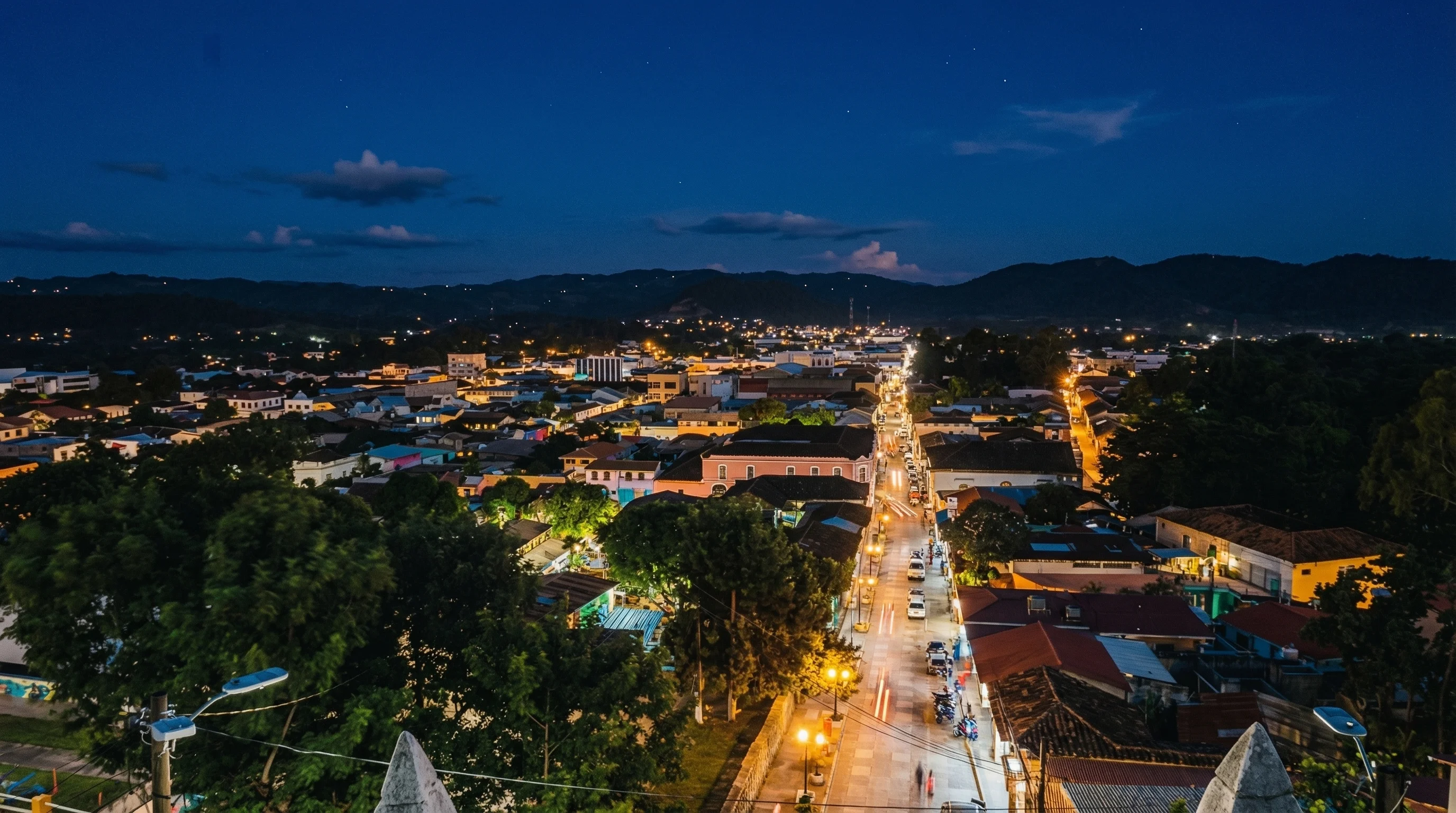
La Esperanza, located in the Intibucá department of Honduras, serves as an important commercial center in the country's mountainous interior region. The city's economy is primarily based on agriculture, particularly coffee production, vegetable farming, and dairy operations, alongside a growing textile and apparel manufacturing sector. Its elevation and climate create unique logistical considerations for freight transportation, particularly for temperature-sensitive goods.
The region's transportation infrastructure includes connections to the national highway system, though the mountainous terrain requires specialized routing and equipment for efficient cargo movement. La Esperanza's proximity to other major Honduran cities and its role as a regional distribution center make it a key destination for both domestic and international freight. Control Terrestre's expertise in navigating Central American logistics ensures reliable delivery to this important commercial hub, with services tailored to the specific needs of the local economy and infrastructure conditions.










