Columbus to Fargo
Fargo → ColumbusFTL freight transportation service between Columbus and Fargo. Reliable logistics solutions for your business.
Route Description
Everything you need to know about the corridor Columbus - Fargo
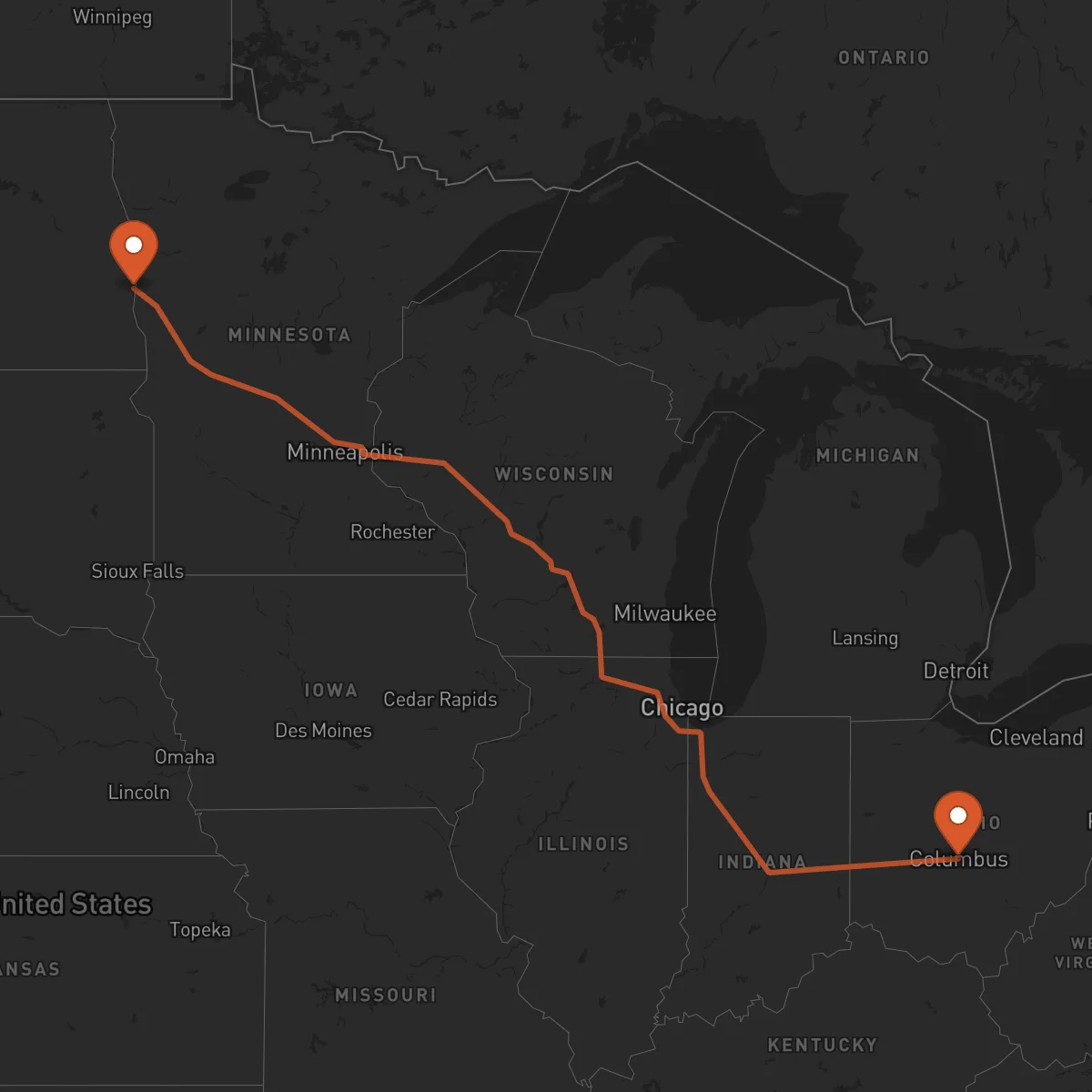
The freight transportation corridor between Columbus, Ohio, and Fargo, North Dakota, represents a vital link in the North American logistics network, spanning approximately 1,350 kilometers through the heart of the Midwest. This route connects the industrial powerhouse of Ohio with the emerging economic hub of North Dakota, traversing diverse terrain and crossing multiple state lines. The corridor serves as a critical artery for moving goods between the manufacturing centers of the Midwest and the agricultural and energy resources of the Northern Plains, supporting the economic integration of these complementary regions.
The economic significance of this corridor is underscored by the diverse industrial activities it connects. Columbus, with its strong manufacturing base and growing tech sector, produces a wide range of goods requiring distribution to northern markets. Meanwhile, Fargo serves as a gateway to the Bakken oil formation and the extensive agricultural operations of North Dakota, creating demand for specialized equipment and supplies from southern manufacturers. The route facilitates the efficient movement of machinery, agricultural products, industrial components, and consumer goods, contributing to the economic vitality of both regions.
This corridor is supported by a robust transportation infrastructure, primarily utilizing Interstate 71 North from Columbus to Cleveland, then I-90 West across northern Ohio, through Indiana and Illinois, and finally I-94 North into Minnesota before reaching North Dakota. These major interstate highways provide reliable, high-capacity freight movement with multiple lanes, modern rest areas, and extensive maintenance facilities. The route also benefits from proximity to major rail corridors and air cargo facilities, offering multimodal transportation options for shippers.
Control Terrestre specializes in optimizing freight operations along this corridor, providing dedicated FTL services that ensure timely delivery of your cargo. Our extensive network of certified carriers and deep understanding of regional logistics challenges allow us to navigate seasonal weather variations, manage cross-state regulatory requirements, and provide consistent, reliable service. Whether you're shipping manufacturing equipment from Columbus or agricultural machinery to Fargo, our team coordinates every aspect of your freight movement, offering real-time tracking and dedicated customer support throughout the journey.
Services for this Route
Available services for the corridor Columbus - Fargo
 Origin
Columbus
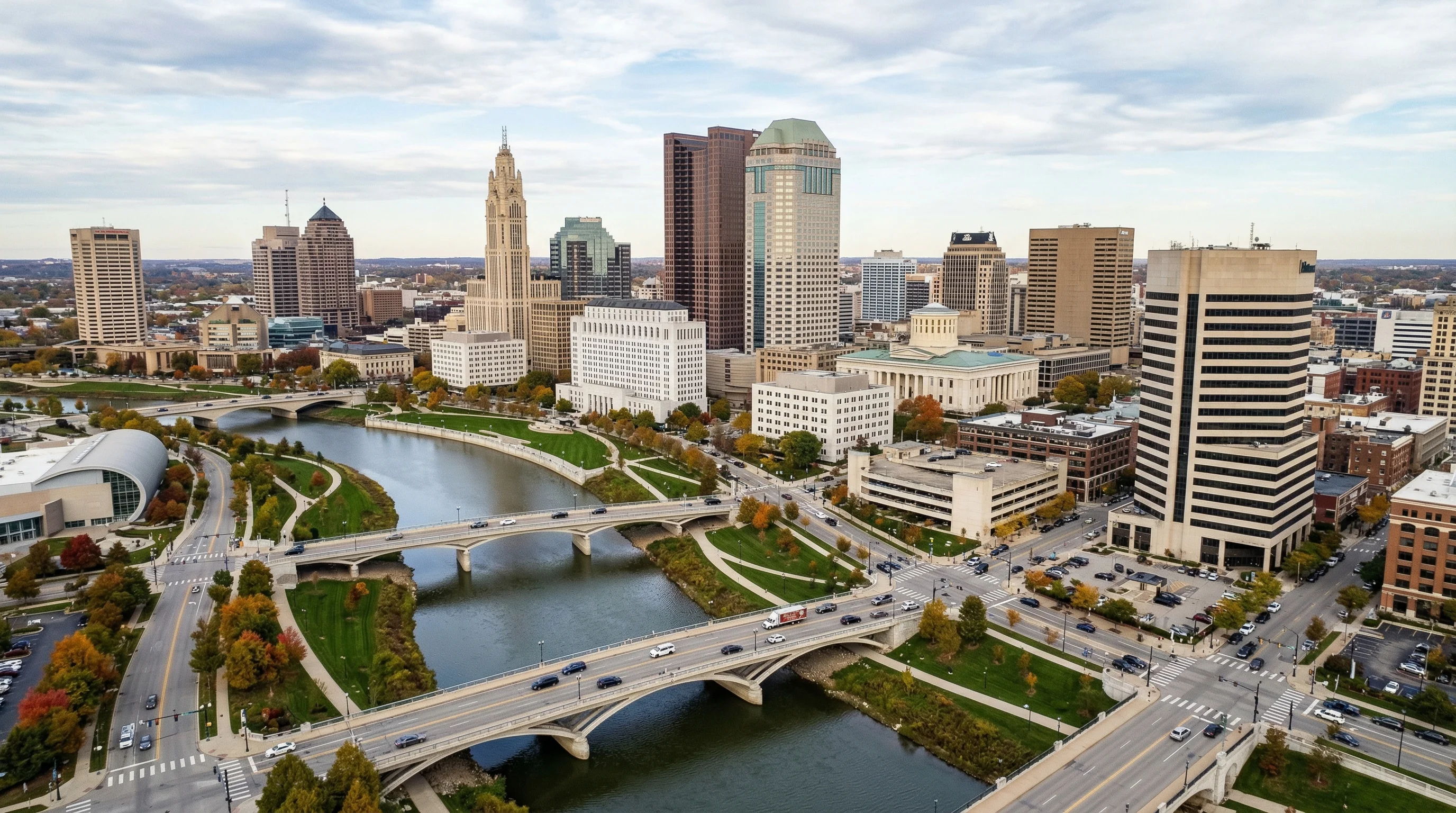
Columbus, Ohio, serves as a strategic logistics hub in the Midwest, combining central geographic location with robust infrastructure. The city's position at the intersection of major interstate highways (I-70, I-71, and I-270) provides excellent connectivity to both eastern and western markets. Columbus benefits from the Rickenbacker Inland Port, a Foreign Trade Zone offering air, rail, and highway access, making it an ideal origin point for freight distribution. The city's growing economy spans advanced manufacturing, healthcare, education, and technology sectors, creating consistent demand for reliable freight transportation services to support business operations and supply chains.
 Destination
Fargo
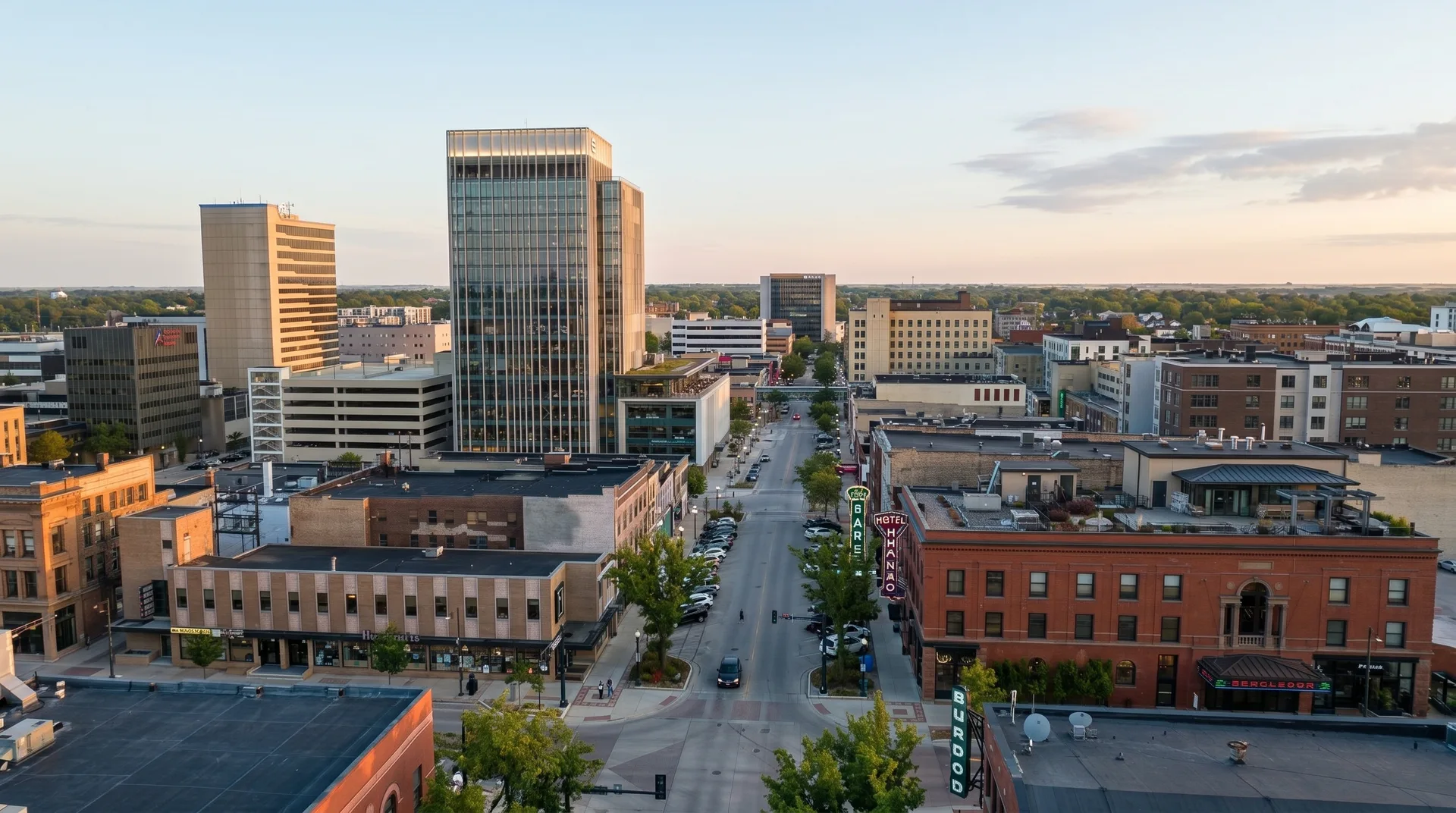
Fargo, North Dakota, has emerged as a critical logistics center for the Northern Plains region, strategically positioned near the Minnesota border with direct access to I-29 and I-94. The city's location makes it a natural gateway for goods moving to and from Canada and the broader upper Midwest. Fargo's economy is anchored by agriculture, energy (particularly from the nearby Bakken formation), healthcare, and education sectors. The city hosts Hector International Airport and is served by multiple Class I railroads, providing multimodal transportation options. Fargo's growing role as a distribution center for the Northern Plains creates consistent demand for reliable freight services connecting it to major manufacturing centers in the Midwest and beyond.










