
Detroit to San Miguel
San Miguel → DetroitFTL freight transportation service between Detroit and San Miguel. Reliable logistics solutions for your business.
Route Description
Everything you need to know about the corridor Detroit - San Miguel
The logistics corridor connecting Detroit, Michigan, to San Miguel, El Salvador, represents a vital trade link between North America and Central America. This cross-border route spans approximately 3,246 kilometers, traversing diverse terrains and crossing multiple international borders. The corridor facilitates the movement of goods between the industrial heartland of the United States and the growing manufacturing and agricultural sectors of El Salvador. Control Terrestre specializes in managing this complex journey, ensuring seamless door-to-door transportation through our extensive network of certified carriers and strategic partnerships.
Services for this Route
Available services for the corridor Detroit - San Miguel
 Origin
Detroit
Detroit, Michigan, stands as a strategic logistics hub in the Great Lakes region, offering exceptional connectivity through its extensive transportation infrastructure. The city's proximity to major highways, including I-75 and I-94, provides direct access to national freight networks. Detroit's diverse economy encompasses automotive manufacturing, aerospace, healthcare, and technology sectors, generating consistent freight volumes. The metropolitan area hosts multiple intermodal facilities, international airports, and the Port of Detroit on the Detroit River, creating multiple options for freight consolidation and distribution.
 Destination
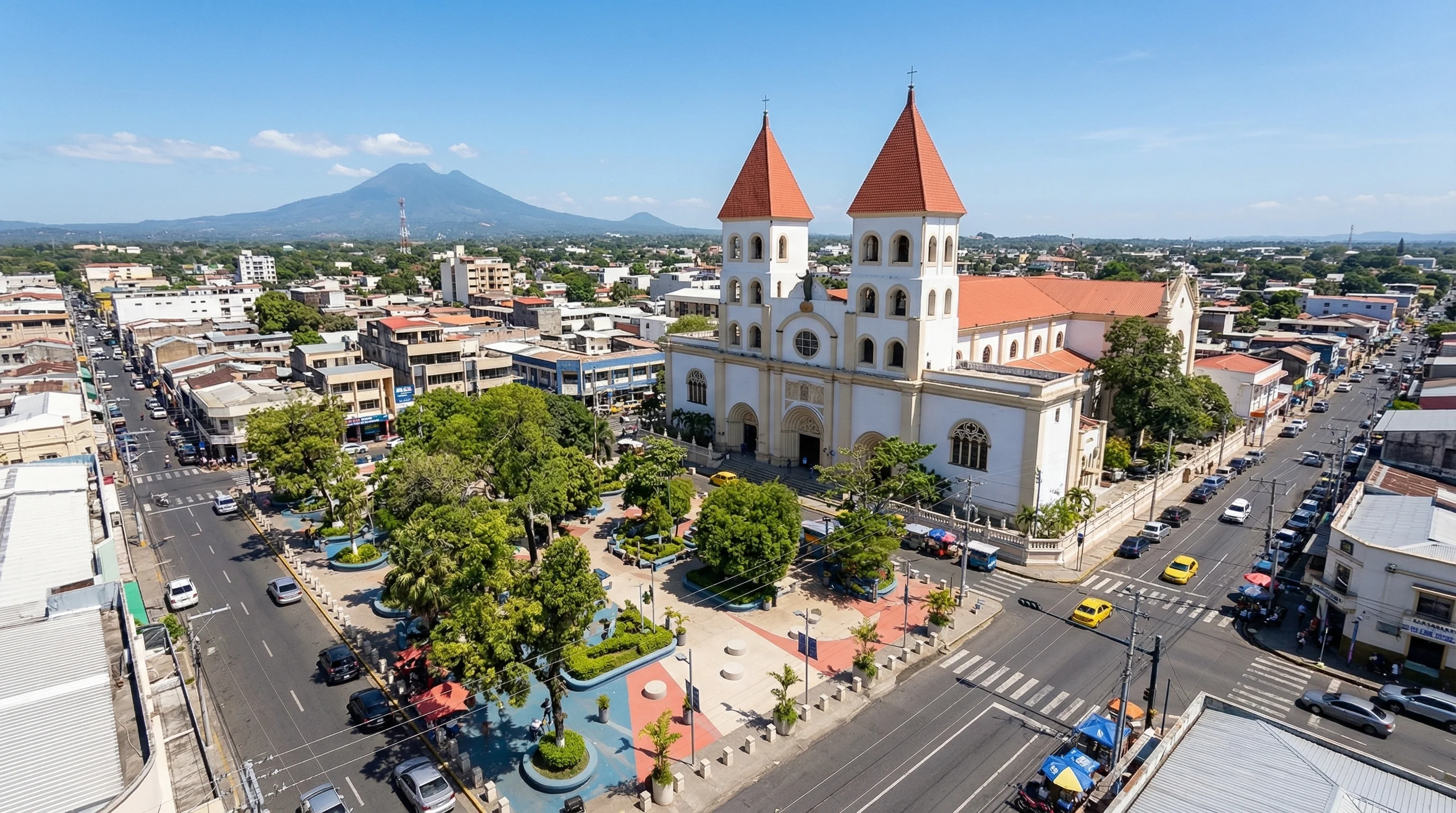
San Miguel
San Miguel, located in eastern El Salvador, serves as a crucial gateway for international trade in Central America. The city's strategic position near the Pacific coast and its proximity to major highways connecting to the rest of the country make it an ideal logistics center. San Miguel's economy features significant agricultural exports, including sugar and coffee, alongside growing industrial activities in textiles and food processing. The region benefits from modern transportation infrastructure, including the nearby El Cuco Port and connections to the CA-1 Pan-American Highway, facilitating efficient distribution throughout Central America.










