
San Miguel to Detroit
Detroit → San MiguelFTL freight transportation service between San Miguel and Detroit. Reliable logistics solutions for your business.
Route Description
Everything you need to know about the corridor San Miguel - Detroit
The logistics corridor between San Miguel, El Salvador, and Detroit, Michigan, represents a vital trade link connecting Central America with the industrial heartland of the United States. This cross-border route spans approximately 3,246 kilometers and serves as a crucial artery for manufacturing supply chains, automotive components, and industrial goods. The corridor facilitates the movement of products from El Salvador's growing manufacturing sector to one of North America's most important industrial centers.
This transportation route traverses diverse landscapes and crosses multiple international borders, requiring expert knowledge of customs procedures and cross-border documentation. The journey connects the Pacific coast of Central America with the Great Lakes region, passing through key commercial hubs in Mexico and the southern United States. Control Terrestre's extensive network of certified carriers ensures seamless operations across all jurisdictions, with strategic partnerships that guarantee efficient border crossings and timely deliveries.
The corridor's significance is amplified by Detroit's status as a global automotive manufacturing hub and San Miguel's emerging role in textile and electronics production. Major transportation infrastructure includes Mexico's Federal Highway 85 and key interstate connections in the United States. Control Terrestre provides comprehensive FTL services along this route, offering dedicated transportation solutions that maintain cargo integrity and optimize delivery schedules for time-sensitive industrial shipments.
Services for this Route
Available services for the corridor San Miguel - Detroit
 Origin
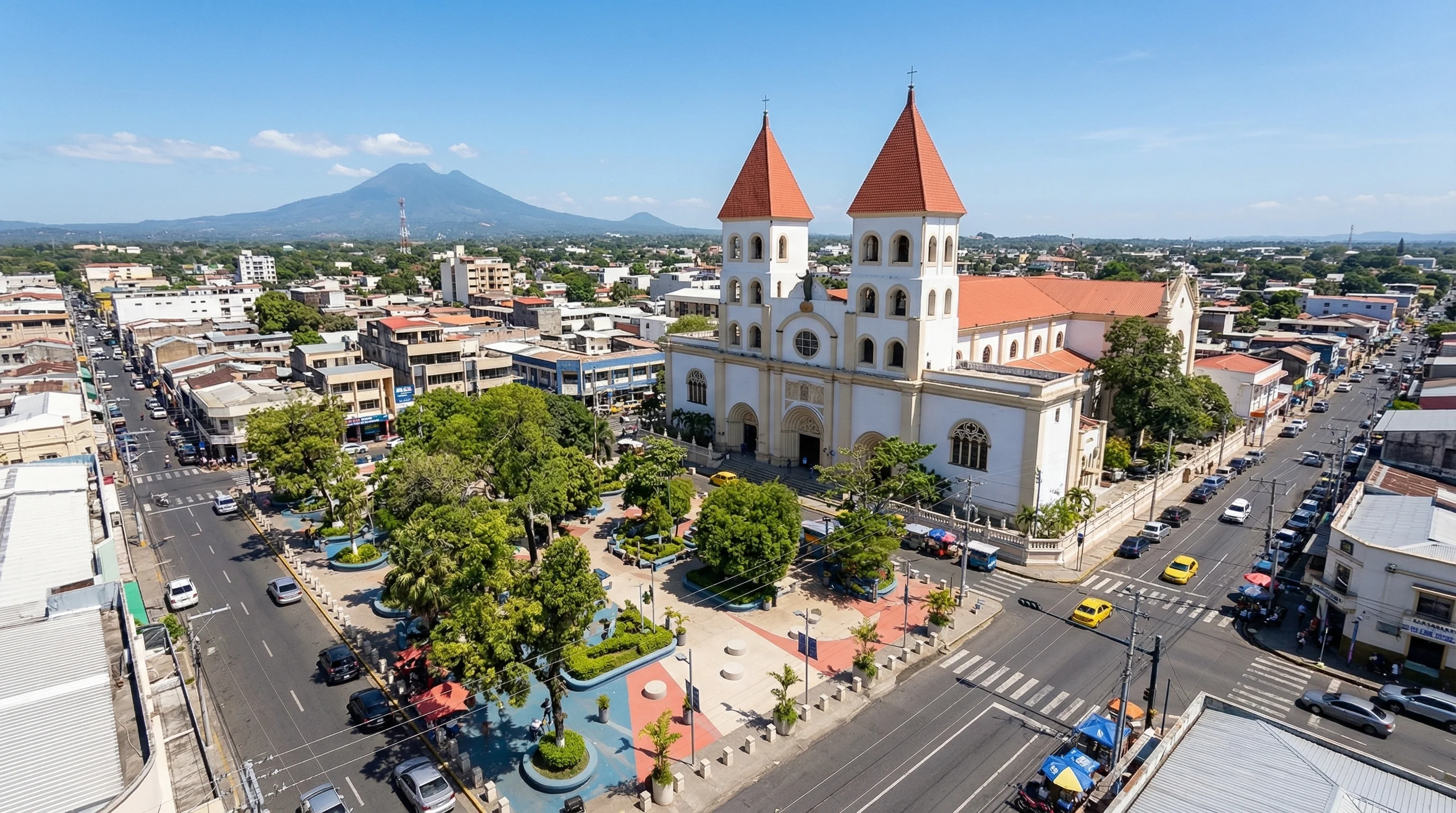
San Miguel
San Miguel, located on El Salvador's eastern coast, serves as a strategic gateway for international trade due to its proximity to the Pacific Ocean and developing industrial parks. The city has established itself as a manufacturing center, particularly in textiles, apparel, and electronics assembly, benefiting from its skilled workforce and competitive operational costs. San Miguel's port facilities and industrial zones provide excellent infrastructure for export-oriented businesses looking to access North American markets.
The region's transportation infrastructure includes well-maintained highways connecting to San Salvador and the port of Acajutla, facilitating efficient cargo movement to international destinations. San Miguel's strategic location allows for cost-effective consolidation of goods before they enter the cross-border transportation network. The city's growing logistics ecosystem, combined with its industrial capabilities, makes it an increasingly important origin point for companies seeking reliable access to the U.S. market.
 Destination
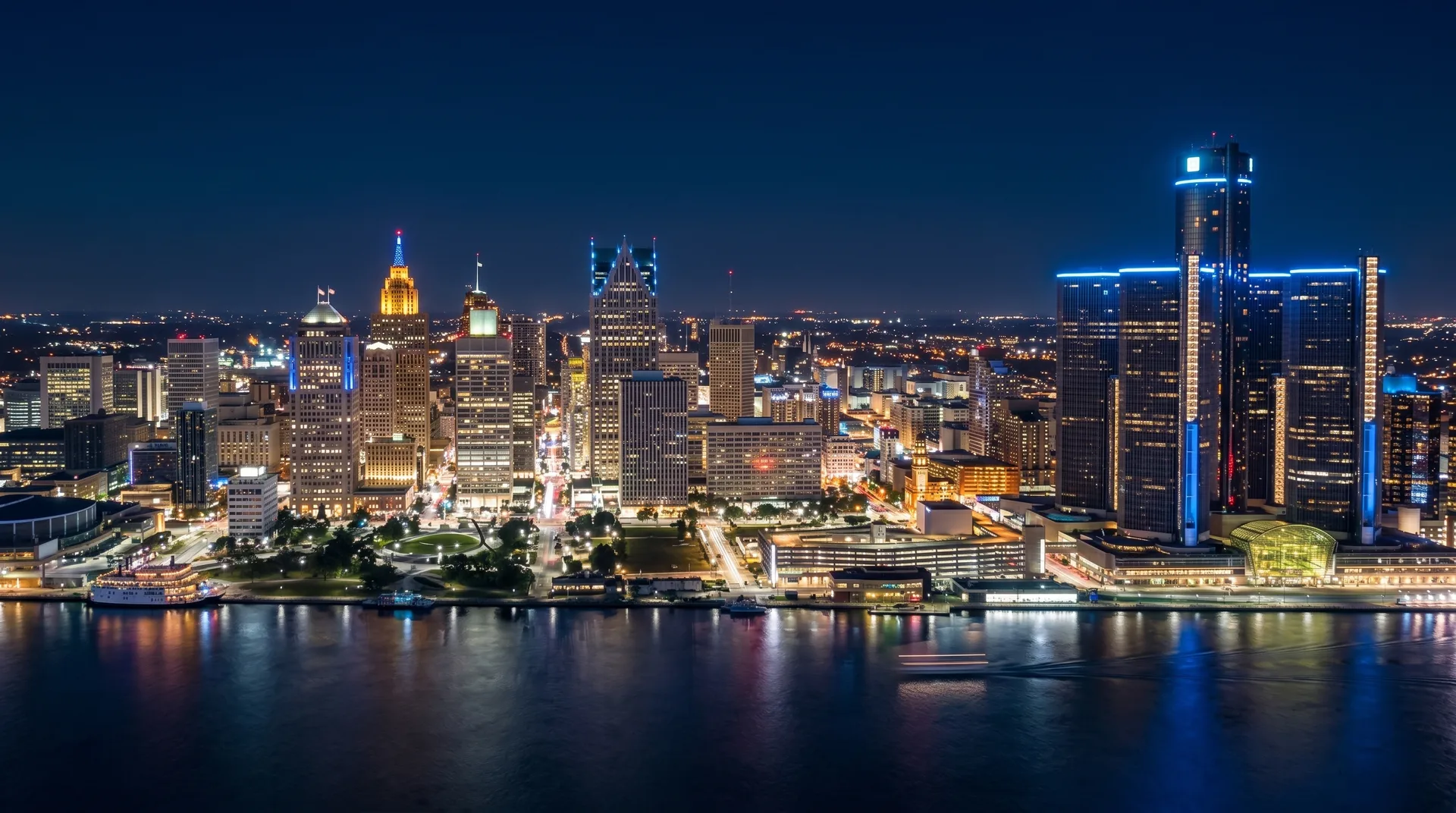
Detroit
Detroit, Michigan, stands as one of North America's most significant industrial and manufacturing centers, particularly renowned for its automotive industry presence. The city's strategic location in the Great Lakes region provides exceptional access to major markets across the Midwest and Eastern United States. Detroit's extensive transportation infrastructure includes multiple interstate highways, rail connections, and proximity to major international airports, making it an ideal destination for industrial and manufacturing supply chains.
The metropolitan area hosts numerous automotive manufacturers, parts suppliers, and technology companies, creating substantial demand for reliable freight transportation services. Detroit's industrial parks and logistics facilities are equipped to handle diverse cargo types, from raw materials to finished automotive components. The region's robust economic activity and manufacturing base make it a critical destination for companies looking to establish or maintain strong North American supply chains.










