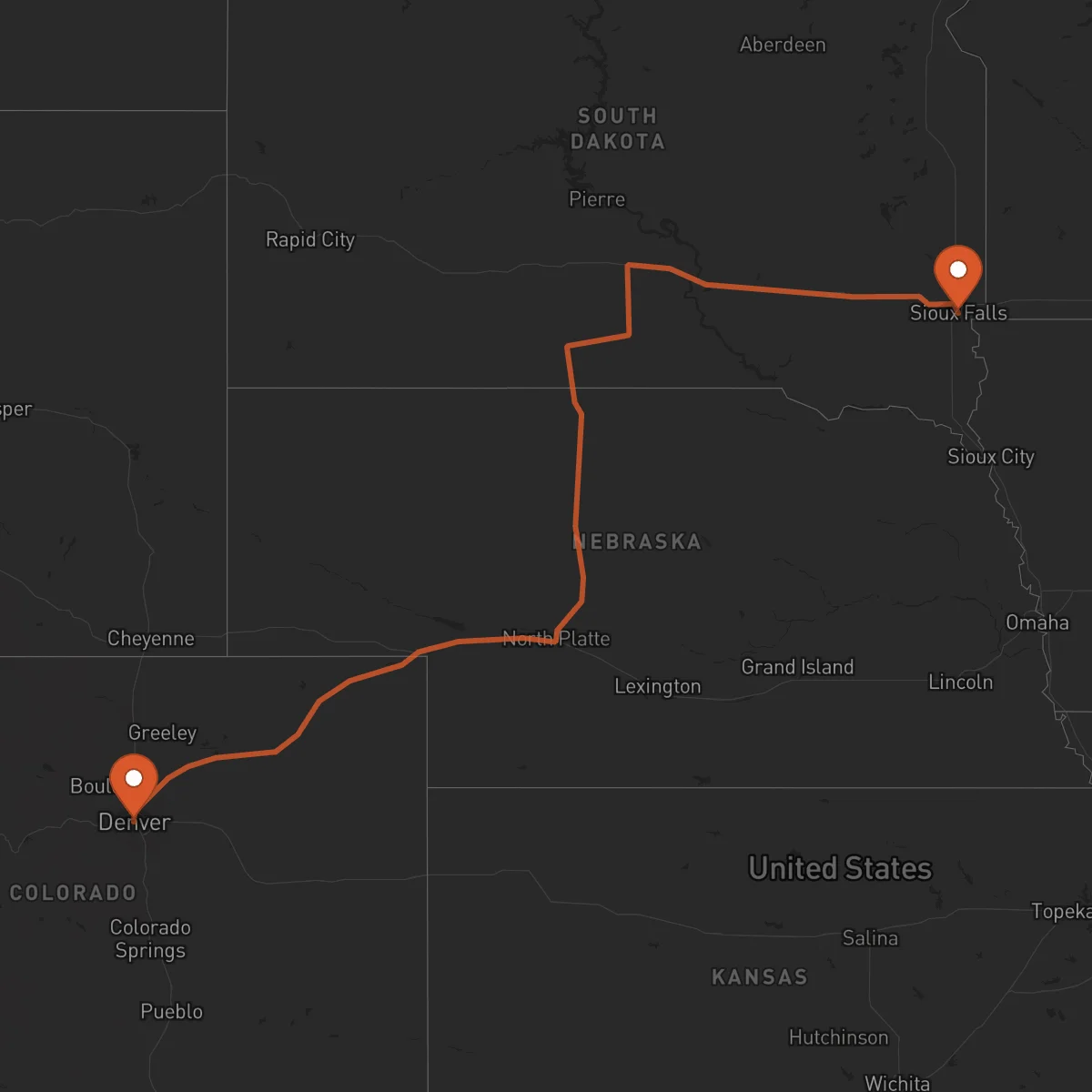
Denver to Sioux Falls
Sioux Falls → DenverFTL freight transportation service between Denver and Sioux Falls. Reliable logistics solutions for your business.
Route Description
Everything you need to know about the corridor Denver - Sioux Falls
The Denver to Sioux Falls corridor represents a vital logistics connection between Colorado's capital and South Dakota's largest city. This 806-kilometer route traverses the heart of the American Midwest, linking two important economic centers and facilitating the movement of goods across multiple states. The corridor serves as a critical artery for commerce, connecting the Rocky Mountain region with the Great Plains and supporting the distribution needs of businesses throughout the central United States.
The economic significance of this route extends beyond its two endpoint cities. Denver, a major hub for technology, aerospace, and energy industries, connects with Sioux Falls, which has emerged as a center for financial services, healthcare, and retail distribution. The corridor supports a diverse range of industries including manufacturing, agriculture, retail, and e-commerce, making it essential for both regional and national supply chains. Companies rely on this route to transport everything from raw materials to finished goods, ensuring that production lines remain operational and consumer demands are met.
Transportation infrastructure along this corridor includes major highways such as I-25 and I-90, providing efficient north-south and east-west connectivity. These well-maintained routes offer reliable transit times and are equipped to handle various freight types, from standard palletized goods to specialized cargo. The corridor's infrastructure supports multiple transportation modes, including truckload freight, intermodal solutions, and expedited shipping options, making it adaptable to different business needs.
Control Terrestre enhances operations on this corridor through our network of certified transportation providers. Our strategic partnerships ensure consistent capacity and reliable service, while our expertise in full truckload logistics optimizes load planning and route efficiency. We provide comprehensive solutions that address the unique challenges of this route, from weather considerations to regulatory compliance, ensuring your freight moves smoothly from origin to destination.
Services for this Route
Available services for the corridor Denver - Sioux Falls
 Origin
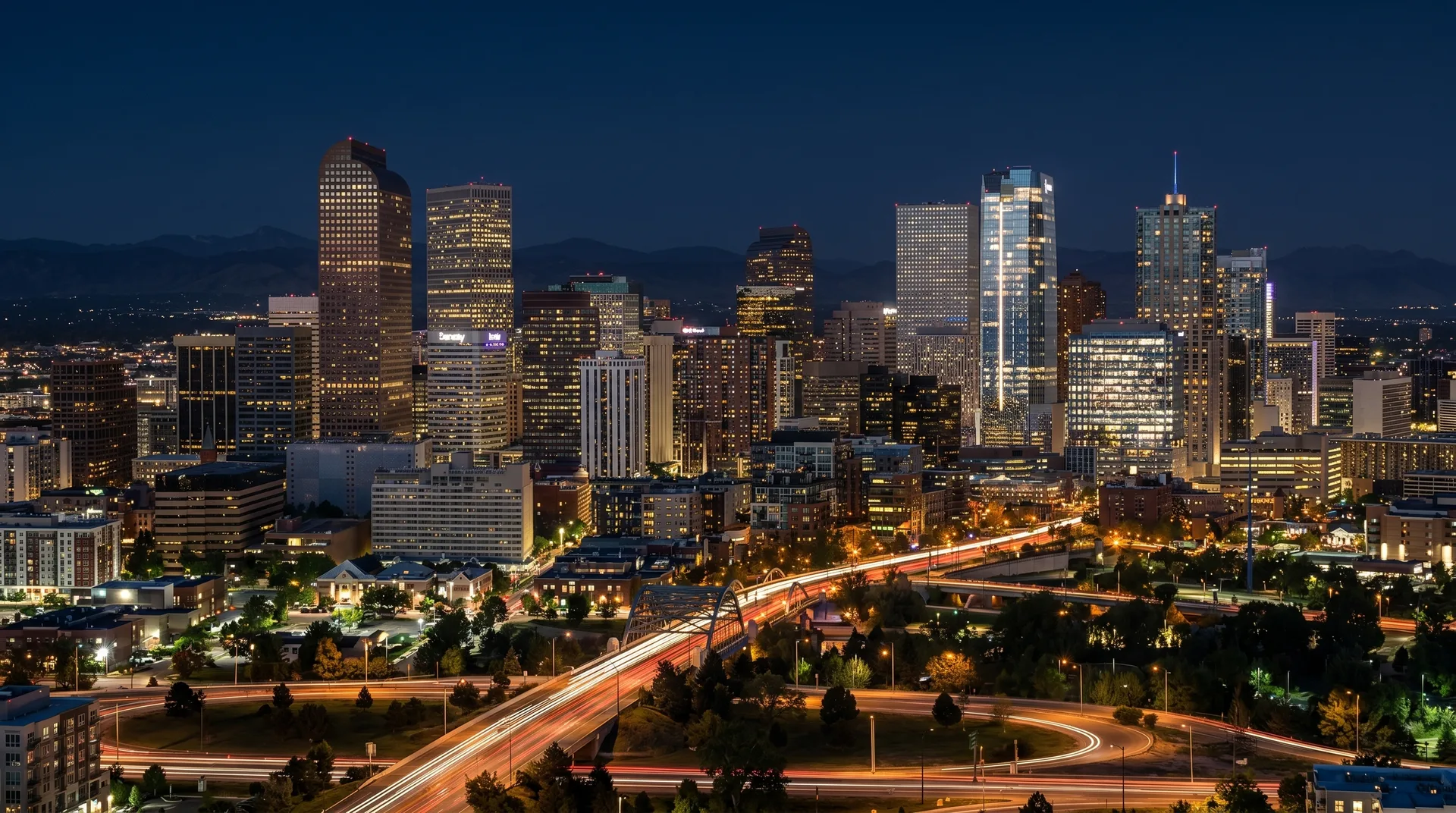
Denver
Denver serves as a strategic logistics hub due to its central location in the Mountain West and its position as a gateway to the Rocky Mountains. The city's elevation and infrastructure make it an ideal consolidation point for goods moving in multiple directions. Denver International Airport and its extensive ground transportation network, including major highways like I-25, I-70, and I-76, provide excellent connectivity for freight movement. The city's logistics infrastructure includes numerous warehousing facilities, distribution centers, and intermodal yards that support efficient cargo handling and storage.
The Denver metropolitan area is home to a diverse economic base, with key industries including aerospace, telecommunications, healthcare, and technology. The region also hosts significant energy sector operations, including both traditional oil and gas as well as renewable energy companies. Manufacturing remains strong, particularly in the areas of electronics, medical devices, and industrial equipment. This industrial diversity creates consistent demand for freight transportation services, particularly for specialized equipment and time-sensitive deliveries.
 Destination
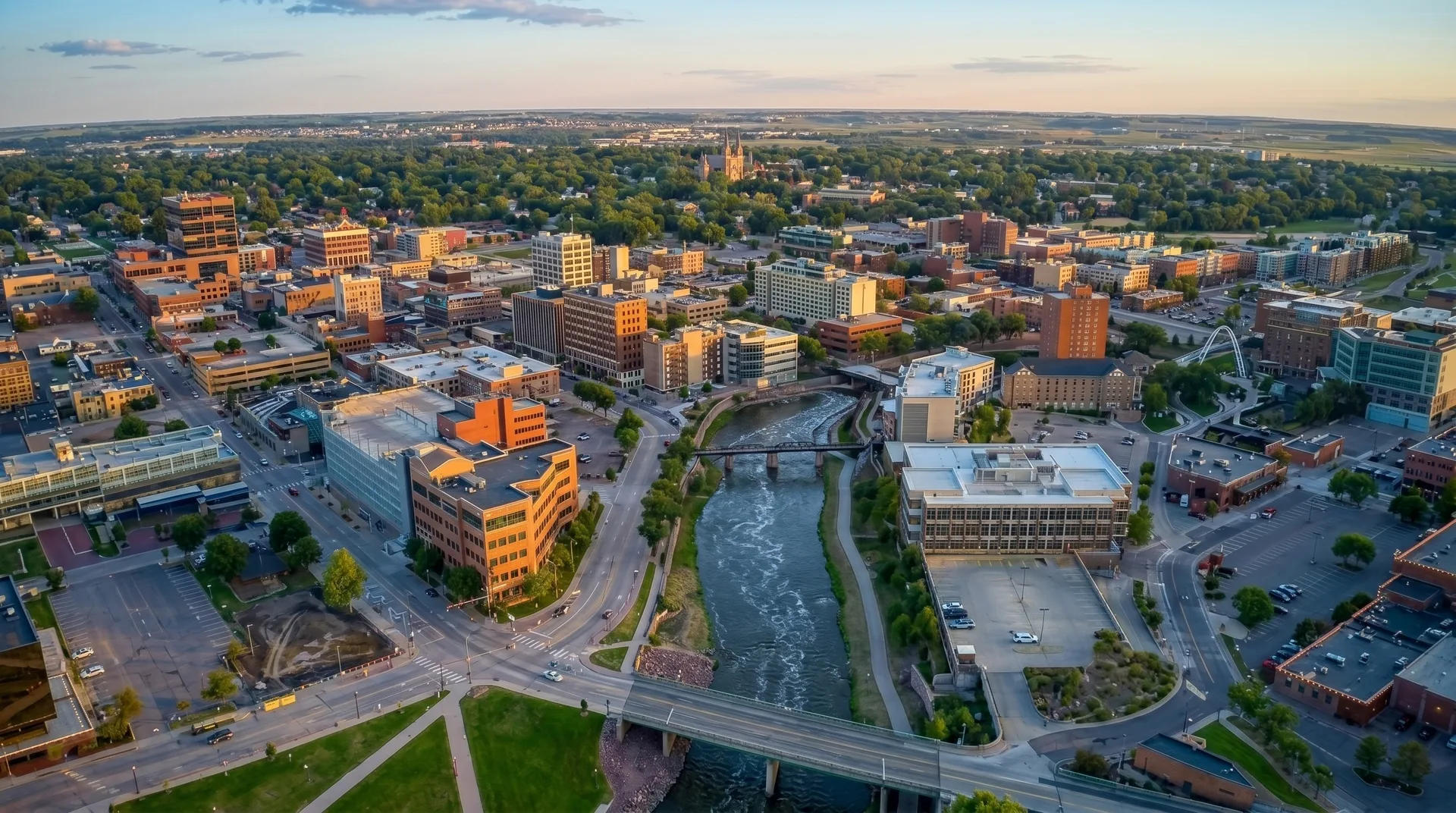
Sioux Falls
Sioux Falls has established itself as a strategic logistics center in the Upper Midwest, benefiting from its location at the intersection of major transportation routes. The city's infrastructure includes access to I-29 and I-90, providing efficient connections to regional markets. Sioux Falls Regional Airport and nearby rail facilities complement the road network, offering multiple transportation options for businesses. The city's central location within a day's drive of major metropolitan areas makes it an attractive distribution point for companies serving the Midwest and beyond.
The Sioux Falls economy is characterized by strong financial services, healthcare, and retail sectors. The city hosts the headquarters of several major financial institutions and has become a significant center for banking operations. Healthcare is another major industry, with Sanford Health and Avera Health providing substantial employment and driving related logistics needs. The retail sector, supported by major distribution centers, creates consistent demand for freight services, particularly for consumer goods and e-commerce fulfillment.










