Columbia to Denver
Denver → ColumbiaFTL freight transportation service between Columbia and Denver. Reliable logistics solutions for your business.
Route Description
Everything you need to know about the corridor Columbia - Denver
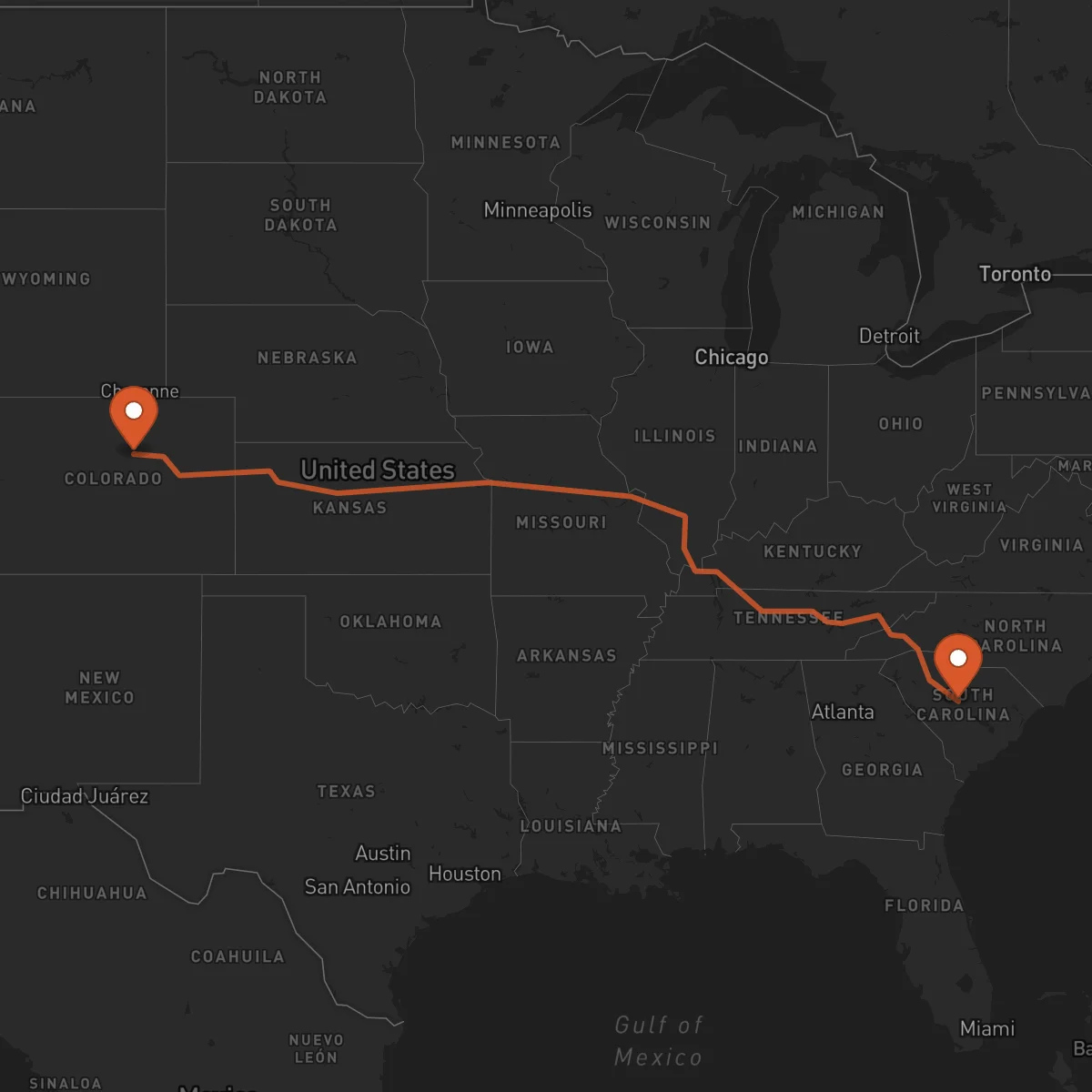
The logistics corridor between Columbia, South Carolina, and Denver, Colorado, spans approximately 2,217 kilometers across the eastern United States. This domestic route connects the Southeast to the Rocky Mountain region, traversing diverse landscapes and economic zones. The corridor serves as a vital link for industries requiring efficient transportation between these two strategically positioned cities.
The economic significance of this corridor is substantial, connecting Columbia's growing manufacturing and distribution sectors with Denver's diverse economy, which includes aerospace, technology, energy, and outdoor recreation industries. The route facilitates the movement of goods between these regions, supporting supply chains that rely on timely delivery of raw materials, finished products, and specialized equipment.
Key transportation infrastructure along this corridor includes major interstate highways such as I-26, I-40, and I-70, providing reliable connectivity for freight transportation. Control Terrestre leverages this established infrastructure to offer comprehensive full truckload (FTL) services, ensuring that cargo moves efficiently and securely between Columbia and Denver. Our network of certified carriers and strategic partnerships enables us to provide dedicated transportation solutions tailored to the specific needs of each shipment.
Services for this Route
Available services for the corridor Columbia - Denver
 Origin
Columbia
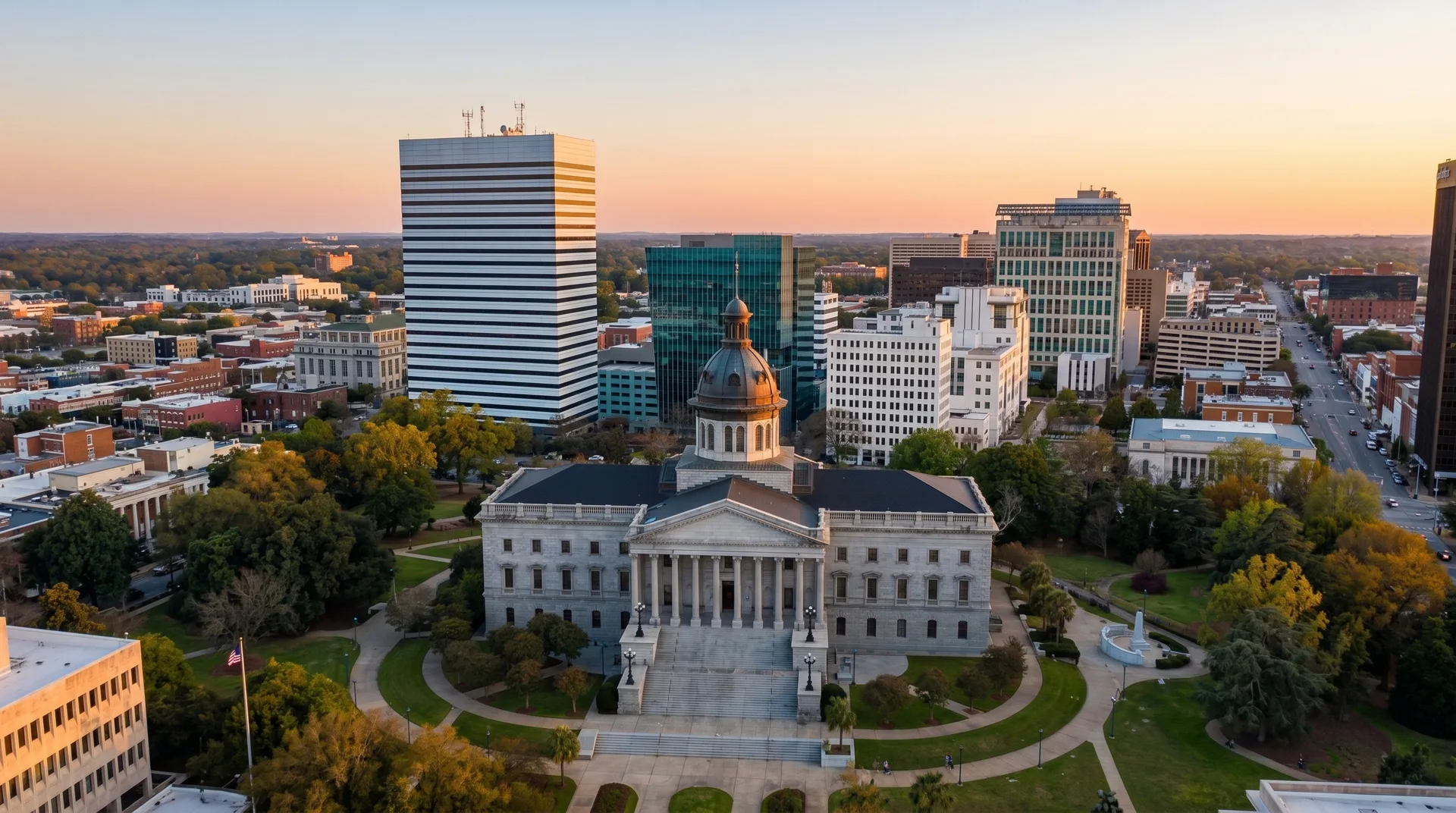
Columbia, South Carolina, serves as a strategic logistics hub in the Southeast United States. Located at the confluence of major interstate highways including I-20, I-26, and I-77, Columbia offers excellent connectivity to regional and national markets. The city's central location within South Carolina makes it an ideal distribution point for the surrounding region.
The economy of Columbia is diverse, with strong sectors in manufacturing, healthcare, education, and government services. The area is home to numerous distribution centers and warehouses, particularly in the manufacturing of automotive parts, textiles, and advanced materials. Columbia's transportation infrastructure includes the Columbia Metropolitan Airport, multiple rail connections through Norfolk Southern and CSX, and the Port of Charleston within a few hours' drive, providing multimodal shipping options.
 Destination
Denver
Denver, Colorado, stands as a critical logistics center in the Rocky Mountain West, offering unique advantages for freight transportation. Situated at the intersection of major interstate highways including I-70, I-25, and I-76, Denver provides access to both coastal and inland markets. The city's elevation of 1,600 meters above sea level presents specific considerations for freight operations, particularly for temperature-sensitive and specialized cargo.
The Denver metropolitan area hosts a robust economy with key industries including aerospace, technology, renewable energy, and outdoor recreation. The region is home to major corporations such as Ball Corporation, Molson Coors Brewing Company, and numerous tech startups. Denver International Airport, one of the largest cargo airports in the country, along with extensive rail networks and highway systems, provides comprehensive transportation infrastructure supporting the city's role as a major distribution center for the western United States.










