Baltimore to Raleigh
Raleigh → BaltimoreFTL freight transportation service between Baltimore and Raleigh. Reliable logistics solutions for your business.
Route Description
Everything you need to know about the corridor Baltimore - Raleigh
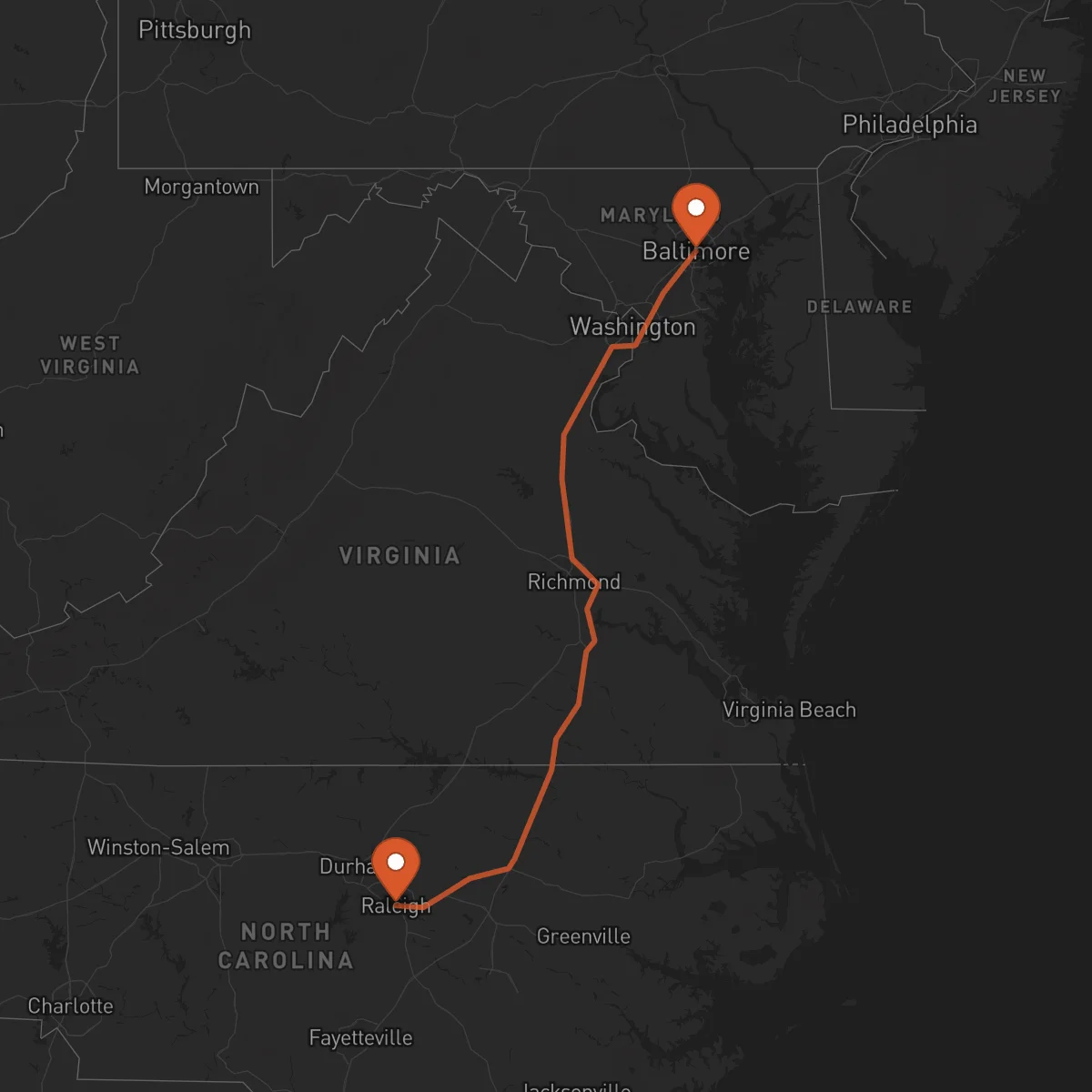
The Baltimore to Raleigh corridor represents a vital freight transportation link connecting the port and industrial hub of Maryland with the growing economic center of North Carolina. This 429 km domestic route traverses the heart of the Mid-Atlantic region, facilitating the movement of goods between two major economic zones. The corridor benefits from its strategic position along the East Coast, enabling efficient distribution to both northern and southern markets.
The economic significance of this route is underscored by the diverse industrial activities in both regions. Baltimore serves as a major maritime gateway with extensive port facilities, while Raleigh has emerged as a technology and research hub within North Carolina's Research Triangle. This complementary economic structure creates consistent freight demand, with manufacturers, distributors, and retailers relying on this corridor for their supply chain operations.
Control Terrestre leverages this corridor through our network of certified transportation providers, offering dedicated FTL services that ensure timely and secure delivery of your cargo. Our expertise in this route allows us to navigate the key transportation infrastructure, including I-95 South and I-85 South, which form the primary freight arteries between these cities. We understand the specific requirements of industries operating along this corridor and provide tailored transportation solutions that meet their unique needs.
Services for this Route
Available services for the corridor Baltimore - Raleigh
 Origin
Baltimore
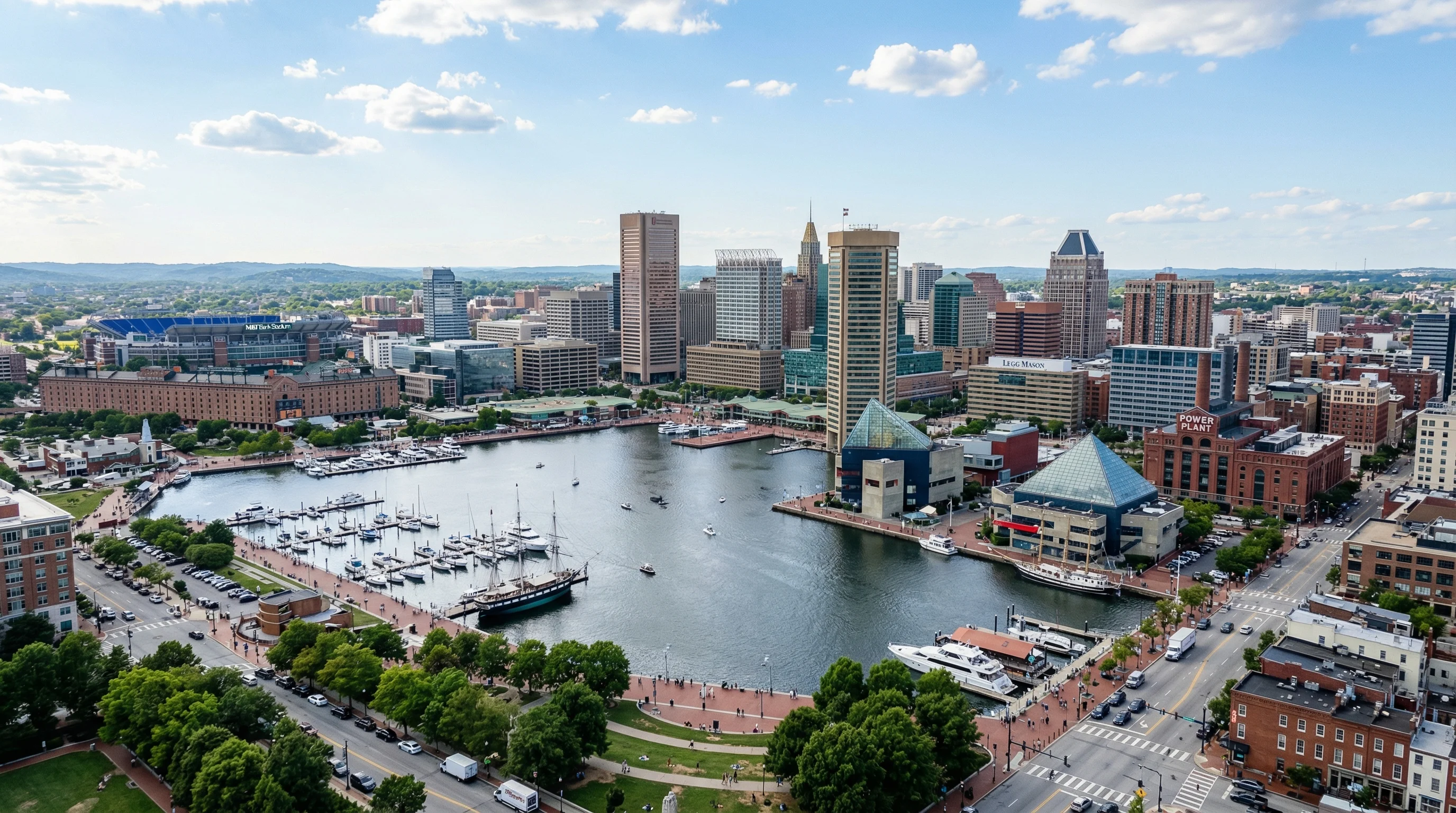
Baltimore stands as a strategic logistics powerhouse on the East Coast, anchored by one of the nation's busiest ports. The city's Port of Baltimore handles millions of tons of cargo annually, featuring specialized terminals for automobiles, container shipping, and bulk commodities. Beyond maritime operations, Baltimore's central location within the Northeast megalopolis provides excellent connectivity to major markets including New York, Philadelphia, and Washington D.C., all within a few hours' drive.
The city's economy is diversified across several key sectors including advanced manufacturing, healthcare, education, and professional services. Major employers in the region drive consistent freight demand, particularly in the automotive, pharmaceutical, and technology sectors. Baltimore's transportation infrastructure is exceptionally robust, featuring the Baltimore/Washington International Airport (BWI), extensive rail connections through CSX and Norfolk Southern, and a comprehensive highway network including I-95, I-83, and I-70.
 Destination
Raleigh
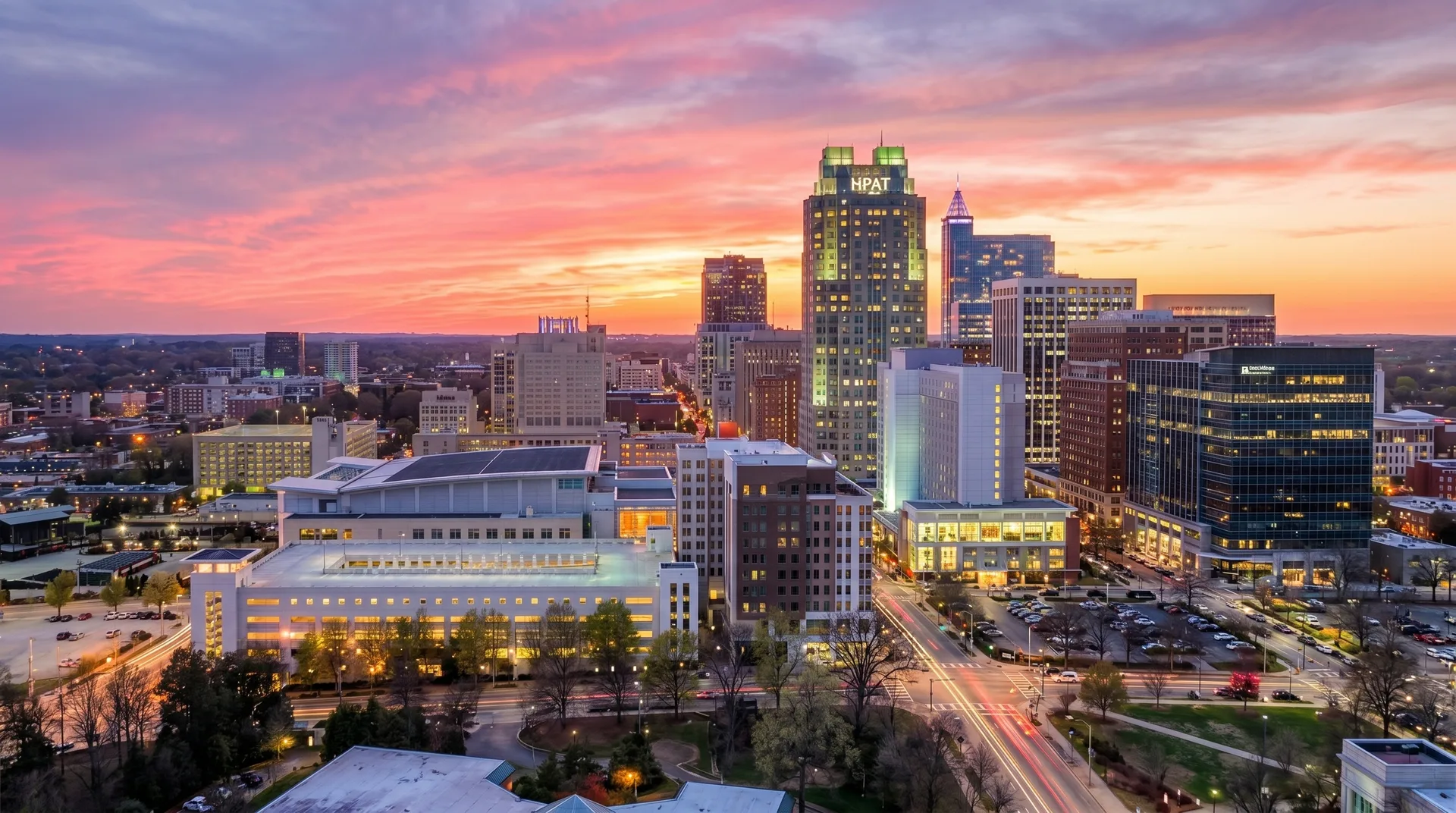
Raleigh has established itself as a dynamic logistics and economic center within North Carolina's Research Triangle. The city's strategic location in the Piedmont region provides excellent access to both coastal and inland markets, making it an ideal distribution point for companies serving the Southeast. Raleigh's growing population and business-friendly environment have attracted numerous corporations and research institutions, creating a vibrant economic ecosystem.
The region's economy is heavily influenced by technology, education, and research, with major employers in information technology, biotechnology, and higher education driving freight demand. The Research Triangle Park, located between Raleigh, Durham, and Chapel Hill, is one of the largest research parks in the United States and generates substantial logistics activity. Raleigh's transportation infrastructure includes Raleigh-Durham International Airport, extensive rail service through Norfolk Southern, and key highways such as I-40, I-85, and I-440 that facilitate efficient freight movement throughout the region.










