
Baltimore to Masaya
Masaya → BaltimoreFTL freight transportation service between Baltimore and Masaya. Reliable logistics solutions for your business.
Route Description
Everything you need to know about the corridor Baltimore - Masaya
The Baltimore to Masaya corridor represents a vital cross-border logistics connection spanning approximately 3,178 kilometers through the heart of North America and Central America. This strategic route links the bustling port city of Baltimore, Maryland, with the industrial hub of Masaya, Nicaragua, facilitating the movement of diverse cargo between the United States and Central American markets.
The corridor traverses major transportation arteries including Interstate 95 through the eastern United States, connecting with key Mexican highways such as the Carretera Federal 190, before continuing through Guatemala and Honduras toward Nicaragua. This route offers reliable access to major border crossings including Laredo/Nuevo Laredo and El Florido between Guatemala and Honduras, ensuring efficient cargo movement across international boundaries.
Key industries leveraging this corridor include automotive parts manufacturing, agricultural products, electronics, and consumer goods. Baltimore's status as a major East Coast port and Masaya's position as Nicaragua's industrial center create strong demand for full truckload services along this route. Control Terrestre's expertise in cross-border operations ensures seamless customs clearance and compliance with all regulatory requirements, while our C-TPAT certified carriers provide secure, reliable transportation from origin to destination.
Services for this Route
Available services for the corridor Baltimore - Masaya
 Origin
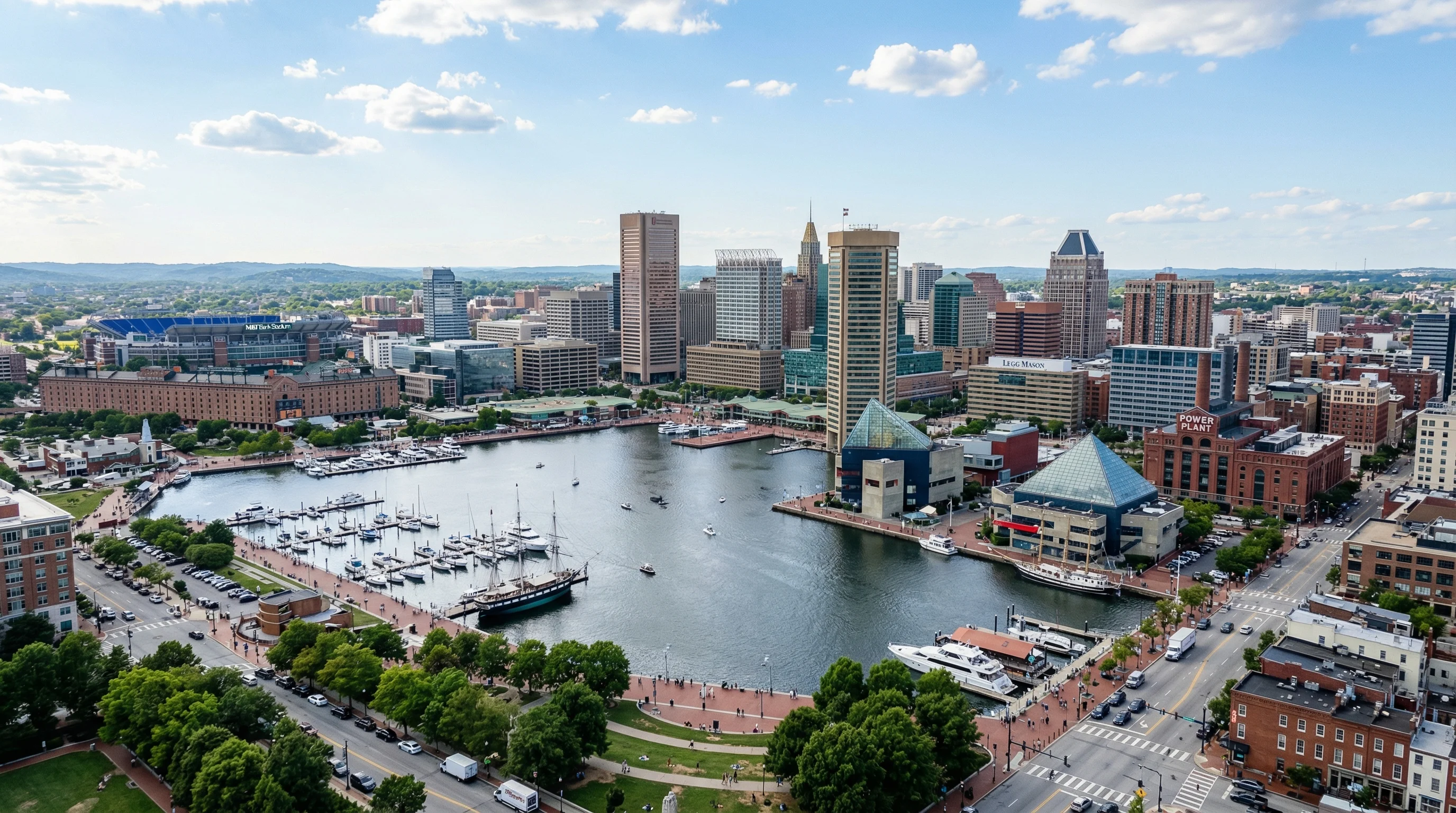
Baltimore
Baltimore, Maryland serves as a strategic gateway for international freight movement on the East Coast of the United States. As one of the nation's busiest ports, the Port of Baltimore handles millions of tons of cargo annually, including automobiles, containers, and bulk commodities. The city's proximity to major metropolitan areas like Washington D.C. and Philadelphia, combined with its extensive rail and highway connections, makes it an ideal origin point for cross-border shipments to Central America.
The region's economy is diverse, with strong sectors in healthcare, education, finance, and advanced manufacturing. Baltimore's transportation infrastructure includes the I-95 corridor, multiple rail terminals operated by Class I railroads, and the Port of Baltimore's comprehensive cargo handling facilities. These assets enable efficient consolidation and distribution of freight destined for Central American markets.
 Destination
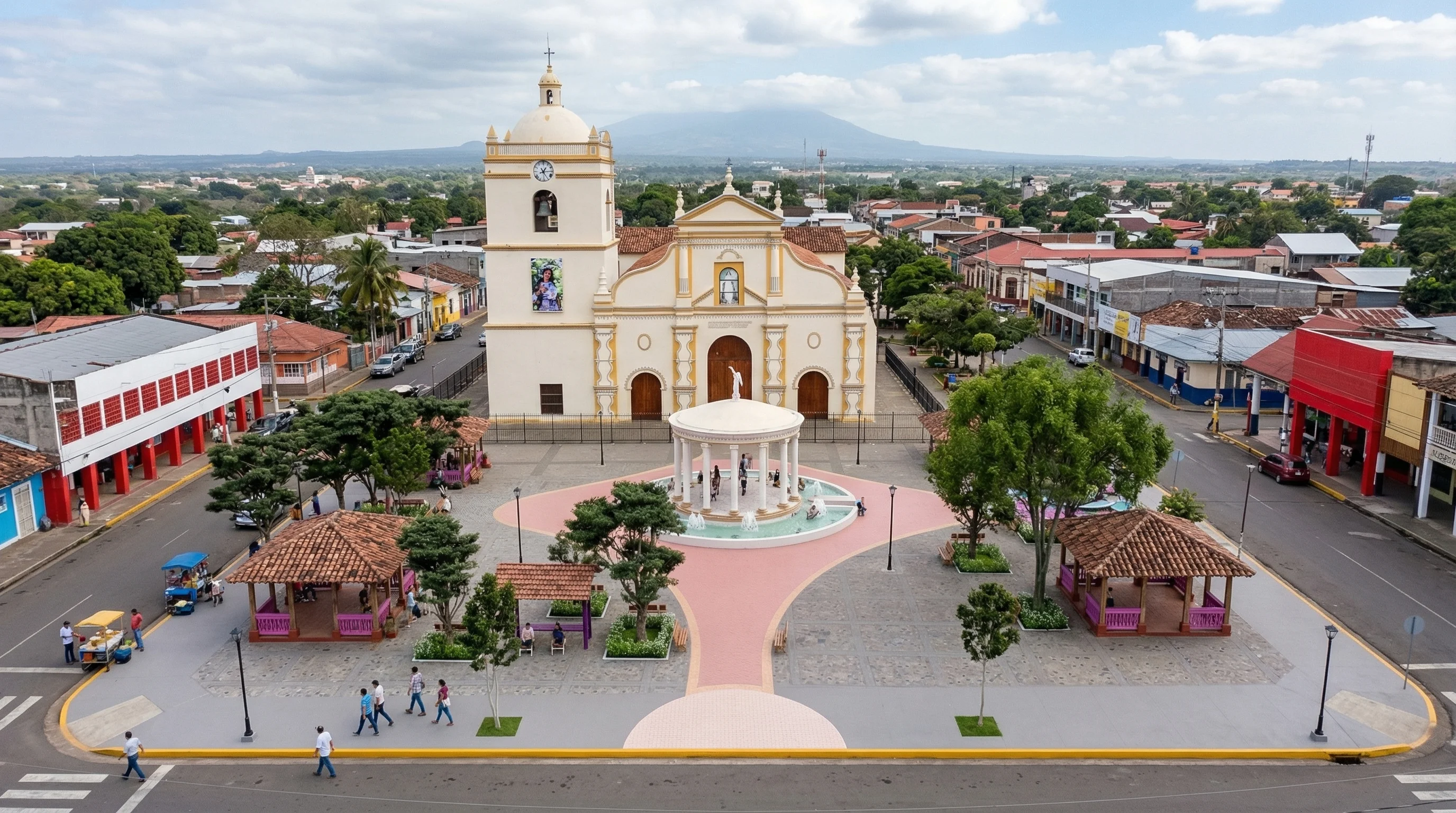
Masaya, located in the heart of Nicaragua, stands as the country's industrial capital and a key commercial center. The city's strategic position within Nicaragua's Central Valley provides excellent connectivity to both Pacific and Atlantic ports, including Corinto and Bluefields. Masaya's industrial parks host numerous manufacturing facilities, particularly in textiles, food processing, and consumer goods production, creating consistent demand for inbound freight transportation.
The region benefits from Nicaragua's developing transportation infrastructure, including the Pan-American Highway and connections to the Atlantic corridor. Masaya's proximity to Managua, the capital city, further enhances its logistics advantages. The area's growing manufacturing sector and export-oriented industries require reliable full truckload services to maintain supply chain efficiency, making this corridor essential for regional trade.










