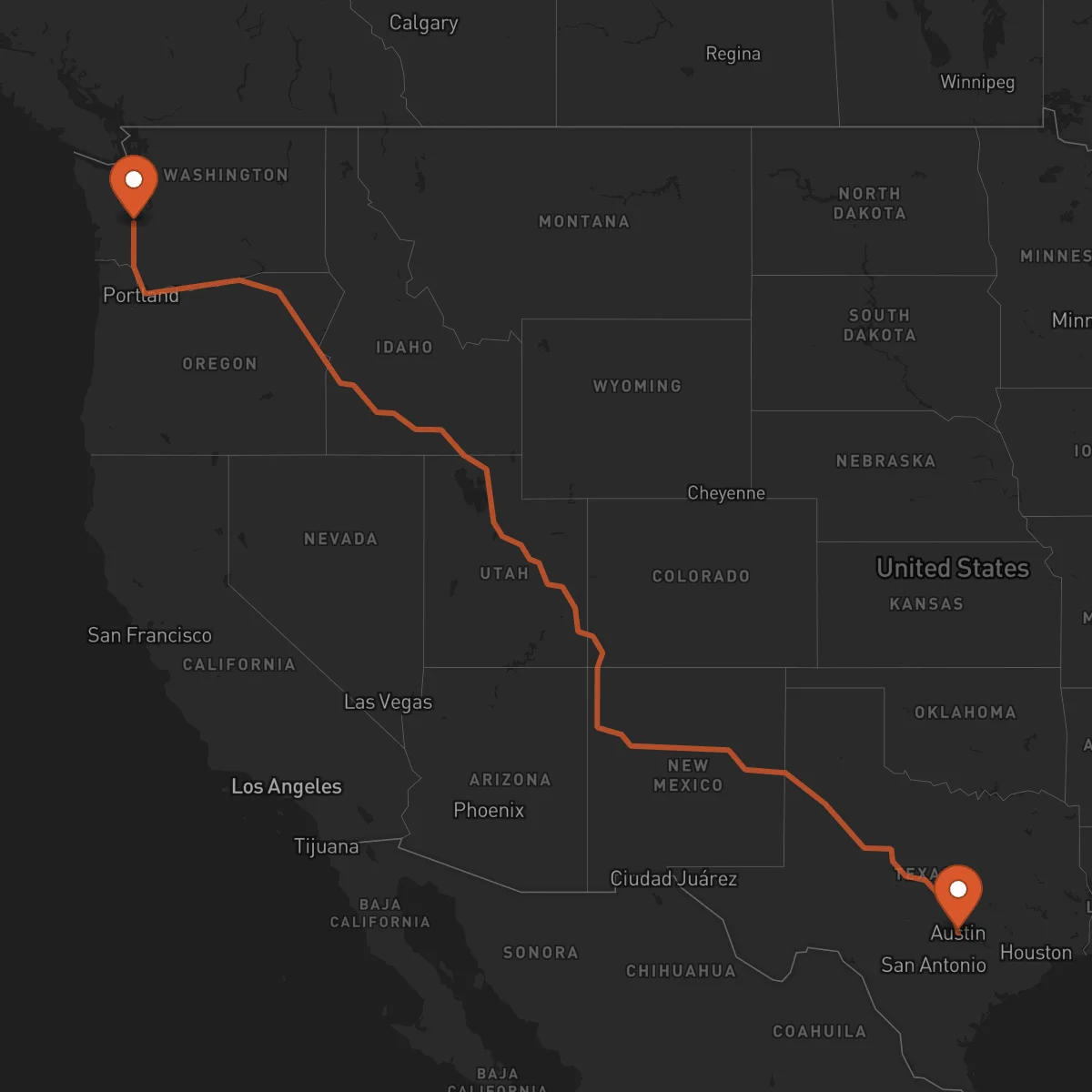
Austin to Olympia
Olympia → AustinFTL freight transportation service between Austin and Olympia. Reliable logistics solutions for your business.
Route Description
Everything you need to know about the corridor Austin - Olympia
The Austin to Olympia corridor represents a vital domestic freight transportation route connecting the heart of Texas with the Pacific Northwest. This 2,850 km journey traverses diverse landscapes and economic regions, facilitating the movement of goods between two strategically important locations. The corridor serves as a crucial link for businesses operating across the central and western United States, enabling efficient supply chain operations and market access.
The economic significance of this route cannot be overstated. Austin, known as a technology and innovation hub, generates substantial freight volumes requiring transportation to markets in the Pacific Northwest. Meanwhile, Olympia and the surrounding Washington State region represent key distribution points for various industries, including aerospace, technology, and manufacturing. The corridor facilitates the exchange of goods between these dynamic economic centers, supporting both import and export activities.
Major transportation infrastructure along this route includes Interstate 35 connecting Austin to major north-south corridors, Interstate 90 serving as a primary east-west freight artery, and various state highways that provide efficient connections. Control Terrestre leverages this comprehensive infrastructure network to provide reliable full truckload (FTL) services, ensuring your cargo moves efficiently from origin to destination. Our expertise in managing this corridor includes understanding seasonal variations, traffic patterns, and regulatory requirements that may impact transit times.
Services for this Route
Available services for the corridor Austin - Olympia
 Origin
Austin
Austin serves as a strategic logistics hub in central Texas, benefiting from its location at the intersection of major transportation networks. The city's position along Interstate 35 provides direct connections to both Mexico and Canada, making it an ideal origin point for domestic freight movements. Austin's robust infrastructure includes multiple freight terminals, warehousing facilities, and intermodal yards that support efficient cargo handling and distribution.
The economic landscape of Austin is dominated by technology, manufacturing, and healthcare sectors. The city hosts numerous corporate headquarters and distribution centers, generating consistent freight volumes requiring reliable transportation services. Austin's growing population and business activity create sustained demand for logistics services, particularly for full truckload shipments moving to key markets across the United States.
 Destination
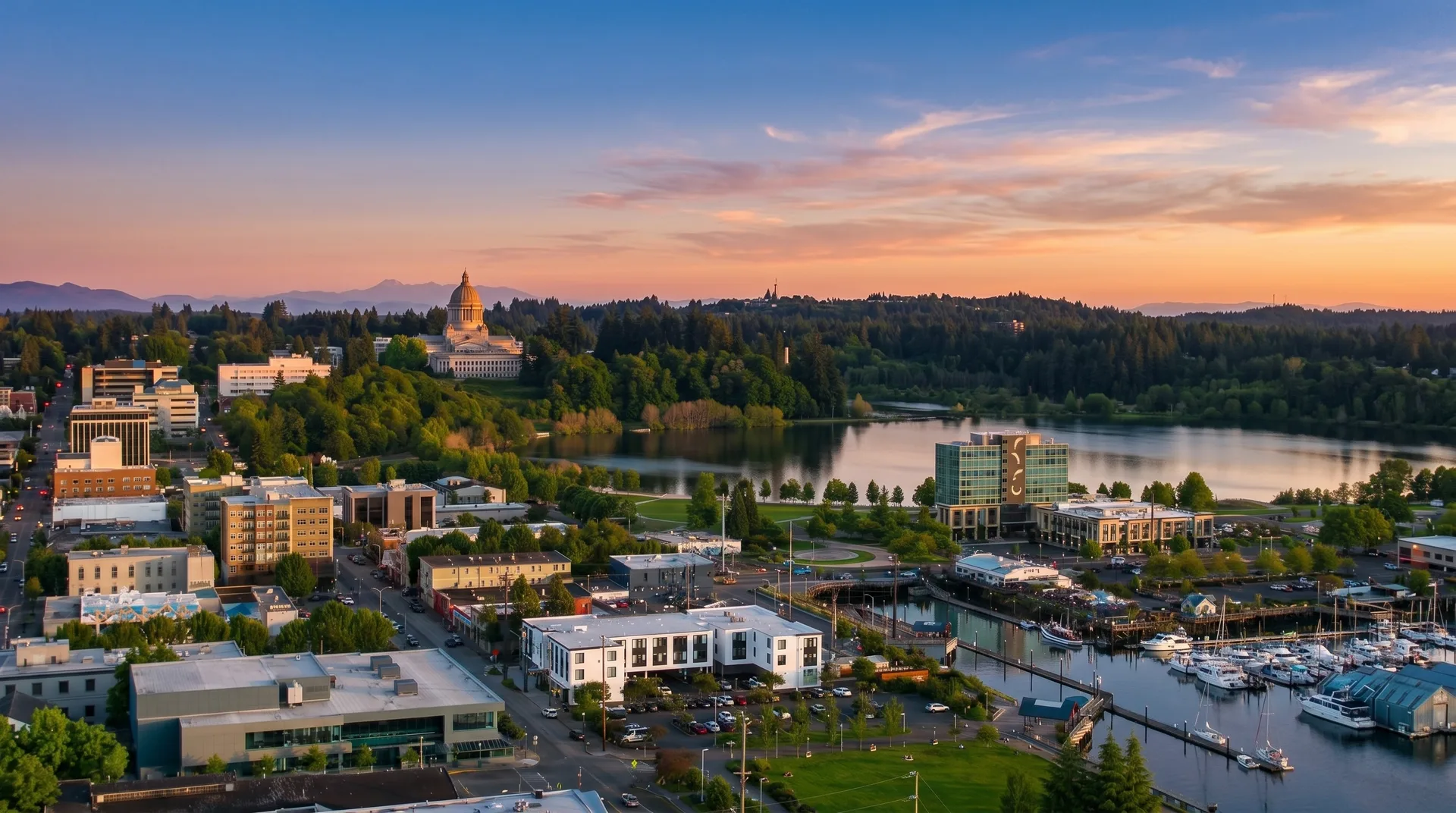
Olympia
Olympia's strategic location in western Washington State makes it an important logistics node for the Pacific Northwest region. The city benefits from proximity to major ports, including the Port of Olympia and connections to the Port of Seattle and Port of Tacoma. These maritime facilities, combined with an extensive network of highways including Interstate 5, provide multiple transportation options for freight moving to and from the region.
The Olympia area's economy is anchored by government services, technology, and manufacturing sectors. The presence of state government offices creates consistent freight movements, while the region's technology and aerospace industries generate specialized cargo requiring dedicated transportation solutions. Olympia's location near major population centers and distribution hubs in the Pacific Northwest makes it a strategic destination for freight originating from various parts of the country.










