Written by: Maria Jose Gamba | February 19, 2026
This February 19, 2026, while national teams adjust their rosters, the real "match" is being played in the ports, customs, and distribution centers of North America. The news of the day is the activation of the Trilateral Logistics Coordination protocol between Mexico, the United States, and Canada. The goal: to prevent the massive flow of merchandise, broadcasting equipment, and mass consumption goods from collapsing the commercial arteries of the USMCA during June and July.
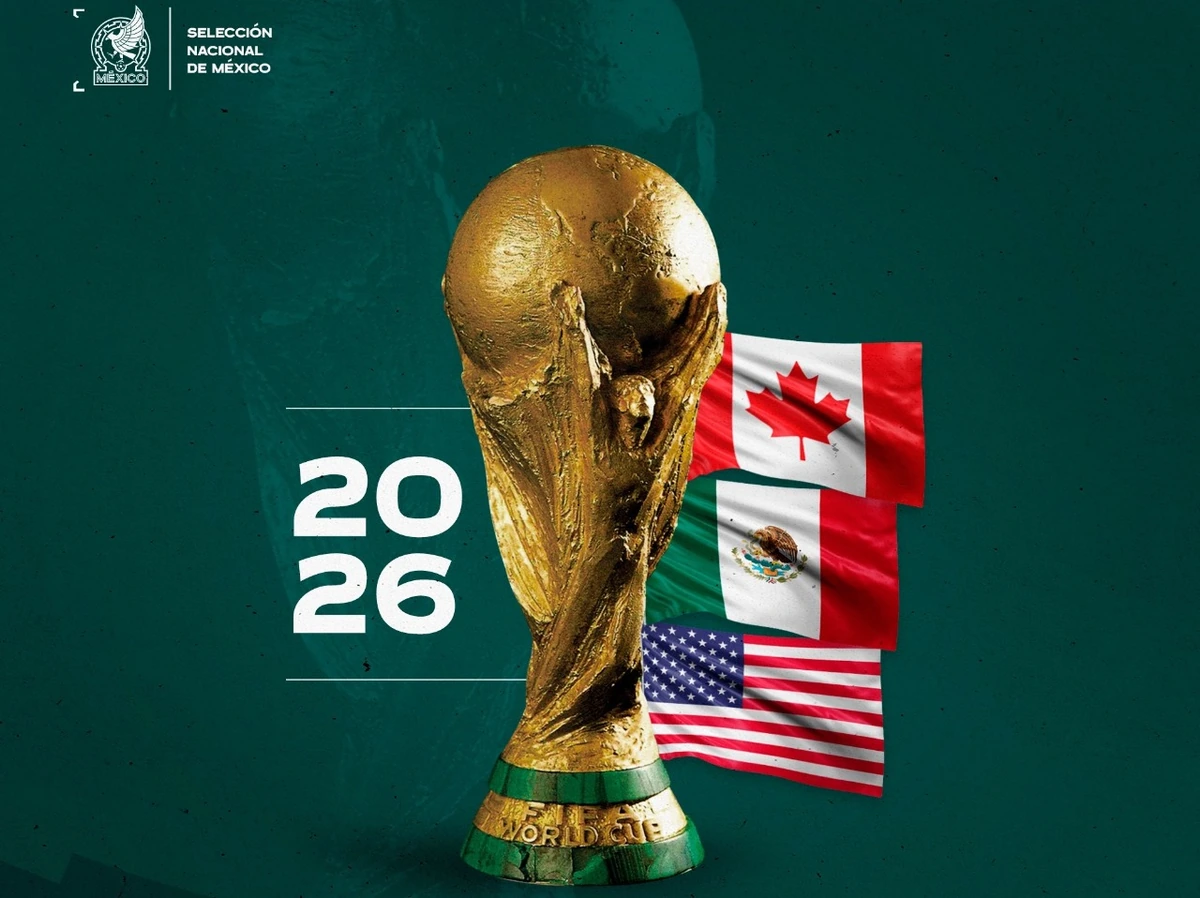
At Control Terrestre, we understand that the 2026 World Cup is the greatest stress test for the supply chain in our country's history. It's not just about moving people; it's about moving tons of supplies within time windows that don't forgive. Today we analyze why the planning we do this February will determine who celebrates an operational victory and who gets left out of the game due to stock breaks.
1. The News: The High-Level Table and the "FIFA Lanes"
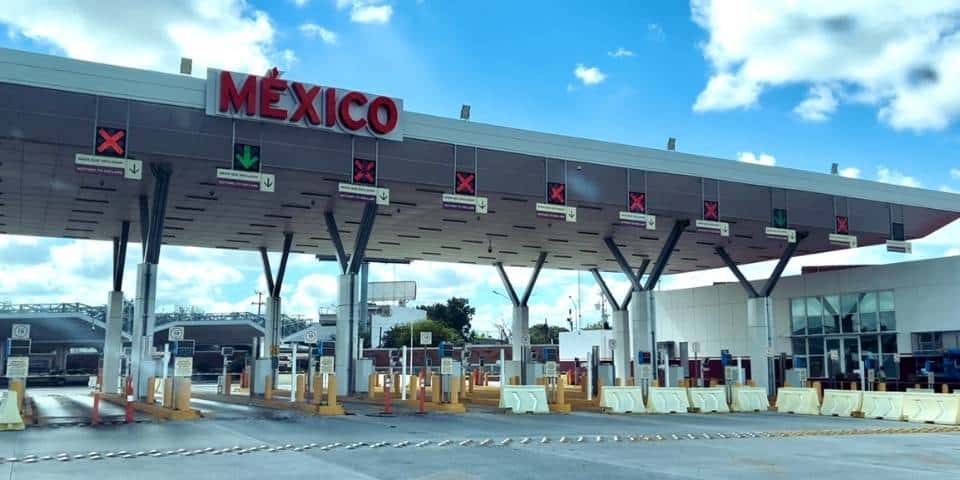
The big news this week is the proposal to implement accelerated clearance lanes for merchandise directly related to the event. These "FIFA Lanes" aim to ensure that everything from national team medical equipment to Fan Zone supplies has priority at the international bridges of Nuevo Laredo and Ciudad Juarez.
However, for regular freight transport, this represents a networking and communication challenge. The news is clear: if your company doesn't have an alternative route or a crossing window scheduled in advance, the World Cup could become a logistics bottleneck for your traditional exports.
2. The Distribution Center Collapse: The Mass Consumption Challenge
Historically, World Cups spike retail consumption by 15% to 25% in specific categories like snacks, beverages, and electronics. But the 2026 World Cup has a different scale: 48 teams and 104 matches. Supply chain experts warn that if a distribution center (CEDIS) is operating today at 85% capacity, in June it simply won't be able to absorb the demand spike.
Teamwork between commercial and logistics areas is vital to avoid the demand "bullwhip effect." It's not about having more inventory, but having it in the right network node. The news for logistics managers this February 19 is: adjust your safety stock today, or pay the cost of stockouts tomorrow.
3. Last-Mile Logistics in Host Cities: Mexico City, Monterrey, and Guadalajara
The three Mexican host cities will face unprecedented road restrictions. Mexico City, for example, has announced security perimeters around Estadio Azteca that will affect nighttime supplier deliveries. This forces a total reconfiguration of last-mile delivery.
For us, this means networking with local authorities is essential. The idea is to deconsolidate cargo from large semi-trucks into smaller, more agile vehicles that can navigate the restrictions of host cities. The World Cup is forcing us to be more creative and efficient in urban distribution, a lesson that will remain as a legacy for post-2026 logistics.
4. Technology and Traceability: The World's Eye on Cargo
With more than 5 billion people tuning into the event, any logistics failure will be world news. Therefore, FIFA and USMCA governments are demanding real-time traceability levels that were previously optional. Integration of high-precision GPS systems and electronic seals is now the minimum standard.
This transparency is what allows teamwork between exporters, carriers, and authorities to flow without friction. The technological news this quarter is the democratization of total visibility: it's no longer a luxury for large multinationals, it's a necessity for any company that wants to participate in the World Cup ecosystem.
5. The Legacy: A Stronger Regional Infrastructure
Beyond the 39 days of the tournament, the true benefit of the 2026 World Cup will be the professionalization and standardization it leaves in the North American bloc. The need to collaborate at this scale is breaking bureaucratic barriers and fostering regional networking that will last decades.
We are seeing million-dollar investments in warehouse automation and road improvements that would not have accelerated without the pressure of the FIFA calendar. We see this February 19 as the point of no return toward world-class logistics. We are learning to work as a team on a continental scale, and that's the coolest part of this process.
The 2026 World Cup is much more than soccer; it's the greatest logistics operation of our generation. Between trilateral coordination tables and CEDIS pressure, Mexico has the opportunity to demonstrate that its infrastructure and human talent are up to any global challenge. At Control Terrestre, we're not just ready to move the World Cup's cargo; we're ready to be part of the team that will take Mexico to the finals of logistics efficiency.
Prepare for the World Cup with Control Terrestre
Don't wait for the opening whistle to find you with an empty warehouse or a stopped truck.
Need a contingency plan for June 2026? Our consultants are ready to design your inventory strategy at controlterrestre.com.
Total real-time visibility: Ensure your cargo arrives on time with our advanced monitoring technology.
Join our network of allies: Networking is the key to surviving the World Cup demand spike. Let's talk about how we can collaborate.
At Control Terrestre, we play as a team so your logistics always scores the winning goal. Together, we move the World Cup.