By: Control Terrestre Editorial Staff January 22, 2026
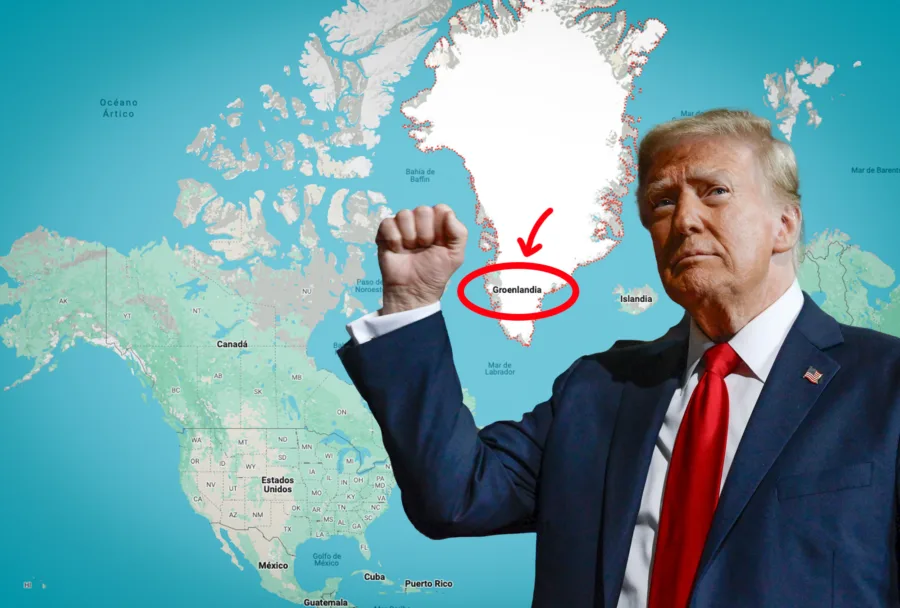
This week, the international landscape has been shaken by the resurgence of an issue many considered shelved: the strategic interest of the Donald Trump administration in Greenland. What appears at first glance to be a distant territorial ambition is, in reality, the opening move of a new era for global trade.
At Control Terrestre, we always look beyond our highways. Understanding how control of the Arctic redefines maritime routes is fundamental to anticipating changes in land transportation in North America. How does the “purchase” or strategic control of a polar island affect a carrier in the Bajío region or on the northern border of Mexico? Here’s what we explain.
1. The Opening of the "Northern Highway"
The melting of the poles, while environmentally concerning, is opening the Northwest Passage. This maritime route would significantly reduce transit times between Asia and the east coast of the United States and Europe, directly competing with the Panama Canal.
If the United States consolidates its influence over Greenland, the flow of containers to North Atlantic ports will increase dramatically. For logistics in Mexico, this means a change in entry points:
Pressure on the northern border: An increase in cargo moving down from northeast U.S. ports to manufacturing plants in Mexico.
Reconfiguration of land routes: Routes that currently move up from Veracruz could be supplemented by massive flows of components entering through the north of the continent.
2. Critical Minerals and Mexican Nearshoring
Greenland is rich in rare earth minerals and critical minerals essential for the manufacture of electric vehicle batteries and semiconductors. Currently, China dominates this market, but a shift towards U.S. control of these resources would change Nearshoring as we know it.
If raw materials flow from the Arctic to North American industrial centers, Mexico will consolidate its position as the final assembly workshop. According to recent reports from The Brookings Institution, independence in the mineral supply chain is key to U.S. national security. For Control Terrestre, this translates into an increase in the movement of specialized and high-value cargo from the borders to the automotive clusters in Querétaro, Puebla, and the Bajío.
3. The Impact on Fuel and Energy Costs
Sovereignty over energy resources in the Arctic directly influences global oil and gas prices. As a transportation company, we know that diesel cost is our most sensitive variable.
More aggressive control of energy reserves in the north by the Trump administration seeks, in theory, greater stability in energy prices in North America. This could provide relief to the operating margins of land transportation, allowing for more competitive rates for Mexican exporters who depend on constant cross-border traffic.
4. National Security and Customs
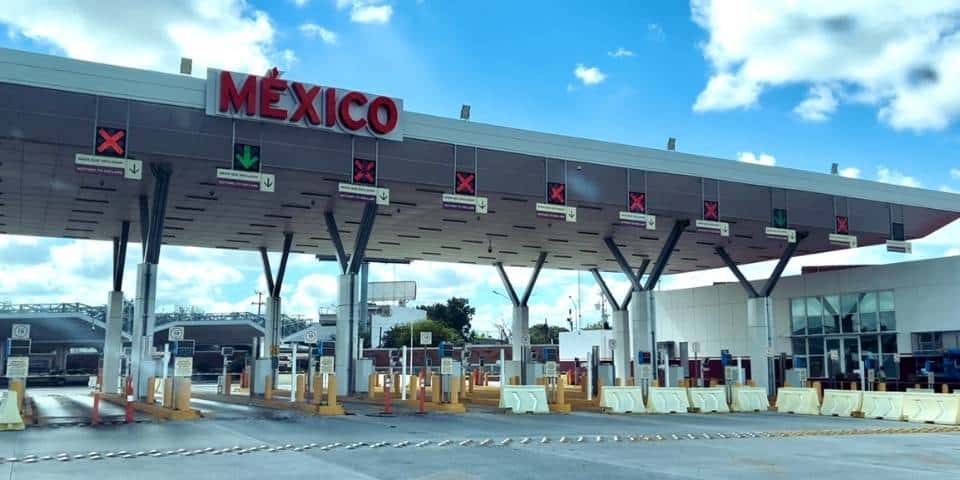
The militarization or increased surveillance of northern routes leads to a stricter border policy. We have seen how the current administration links trade security with border security. This implies that Mexican companies must be even more rigorous with certifications such as C-TPAT and OEA.
At Control Terrestre, we are already preparing our clients for an environment where total traceability is not an option, but a requirement to navigate the commercial tensions generated by these geopolitical movements.
Control Terrestre Recommendations for Exporters:
Diversify your entry points: Don't rely on just one customs office; the trade flow of 2026 will be volatile.
Invest in Traceability: In a climate of greater control, having real-time data on your cargo avoids delays.
Monitor Input Prices: The geopolitics of the Arctic will move the prices of steel and lithium; anticipate this in your logistics contracts.
What to Keep in Mind?
What happens in the ice of Greenland reverberates on the asphalt of Mexican highways. The Trump administration is redesigning the map of power and, with it, the map of trade. At Control Terrestre, our mission is to keep you moving, no matter which way the northern wind blows.
Is your supply chain prepared for the geopolitical changes of 2026? At Control Terrestre, we analyze the world so your cargo doesn’t stop. Contact us today for a strategic consultation.