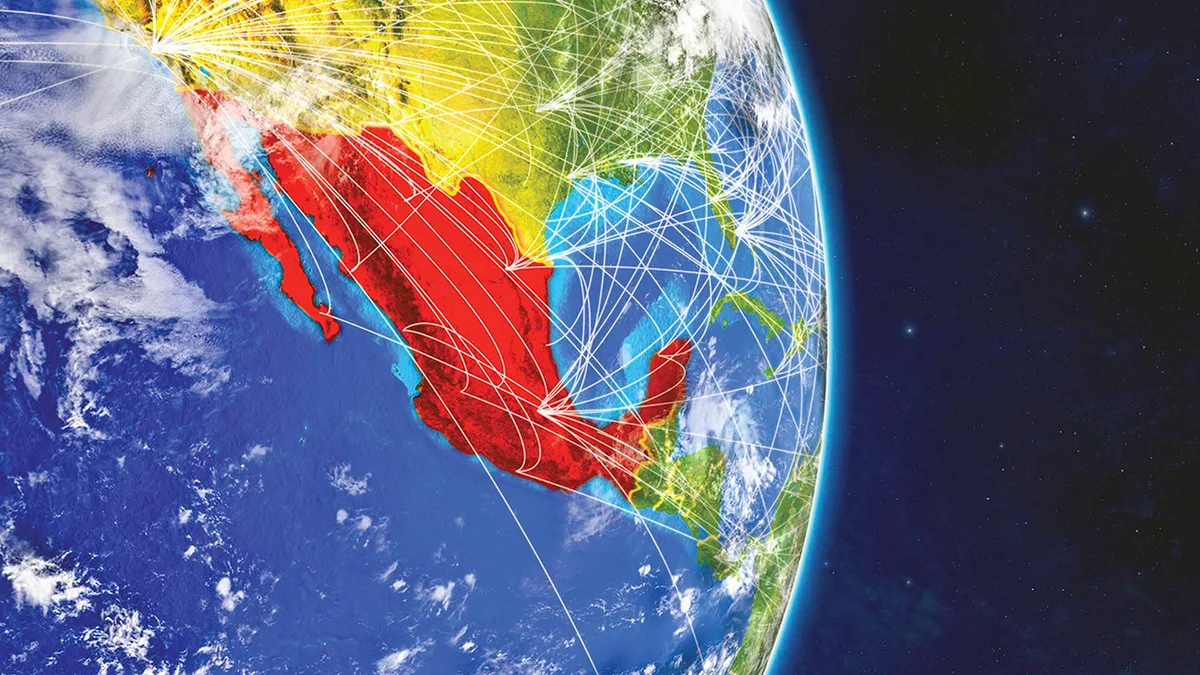
This January 29, 2026, the world's logistics map has been redrawn. What began as a temporary water crisis in the Panama Canal has today escalated into a total reconfiguration of global trade routes. With draft restrictions at their most critical point, according to recent reports from Lloyd's List, shipping companies have made a drastic decision: unload on the Mexican Pacific coast and cross overland to the northern border.
At Control Terrestre, we do not see this as a crisis, but as the moment when trucking officially becomes the backbone of transcontinental trade. If the truck was once the last link, today it is the protagonist of "Mexico's Land Bridge."
1. THE "PANAMA EFFECT" ON MEXICAN HIGHWAYS
The news is clear: waiting time to cross the canal has risen to unsustainable levels. This has caused a 35% increase in cargo volume arriving at the ports of Lazaro Cardenas and Manzanillo with final destination in the "Rust Belt" and the U.S. East Coast.
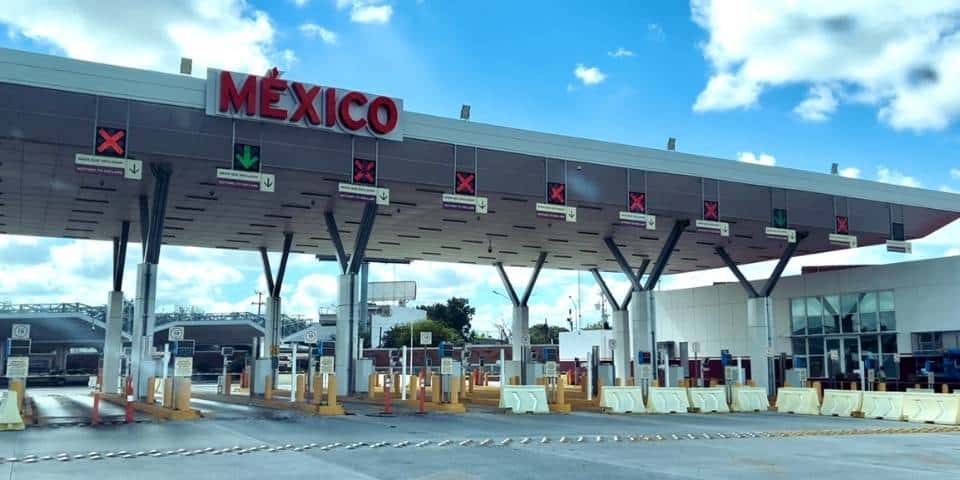
What does this mean for cross-border traffic? That the highways connecting the Pacific to Nuevo Laredo and Ciudad Juarez are operating like a dry canal. This phenomenon, analyzed by organizations such as the International Maritime Organization (IMO), places Mexico in an unprecedented position of logistical advantage.
2. EMERGENCY LOGISTICS AS THE STANDARD
We are no longer in an era of "planned logistics" with months of advance notice. Today, January 29, logistics is about reaction and precision. The diversion of cargo from Panama has saturated national ports, demanding surgical coordination between port unloading and tractor hookup.
The difference between success and delay today is not in the engine, but in yard management and immediate equipment availability. At Control Terrestre, we have strengthened our port partnerships to ensure that "diverted" cargo does not become "trapped" cargo.
3. SECURITY ON THE PACIFIC-TO-NORTH CORRIDOR
With the increase in the flow of high-value merchandise—electronics and industrial components that previously went by sea—security has become the topic of conversation at every control desk. Crossing Mexico from coast to border in this context of saturation requires more than just drivers; it requires an operational shielding strategy aligned with international standards like C-TPAT.
It is not just about escorts, but about route intelligence. At Control Terrestre, preventive monitoring is our absolute priority this January 29. We know the world has its eyes on Mexican routes.
4. DOES NEARSHORING HAVE A NEW COMPETITOR?
Ironically, the Panama Canal crisis has accelerated Nearshoring in an unexpected way. Many companies that were still hesitant to bring their factories to Mexico are seeing how traditional maritime logistics is becoming increasingly fragile. According to recent data from Bloomberg Linea, foreign direct investment in logistics infrastructure in Mexico has rebounded 12% this quarter.
This shift in mindset is transforming our industrial zones into value-added centers. The truck no longer just transports finished products; it transports the stability of companies that have decided the sea is too uncertain.
5. TOWARD A RESILIENT INTERMODAL MODEL
Today's news compels us to look toward the future. The "Land Bridge" is not a temporary solution; it is the birth of a new global logistics corridor. The integration of Pacific ports with the cross-border efficiency of Nuevo Laredo is the most ambitious project of the century for Mexican transportation, supported by initiatives from the Ministry of Infrastructure, Communications and Transportation (SICT).
WHAT SHOULD WE KEEP IN MIND GOING FORWARD?
The invisible blockade in Panama has cleared the way for the leadership of ground logistics in Mexico. Today, January 29, 2026, we celebrate our industry's capacity to adapt, grow, and respond to global challenges. At Control Terrestre, we do not just operate trucks; we manage the resilience of international trade.