Written by: María José Gamba | March 2, 2026
A 180-degree shift in the Caribbean
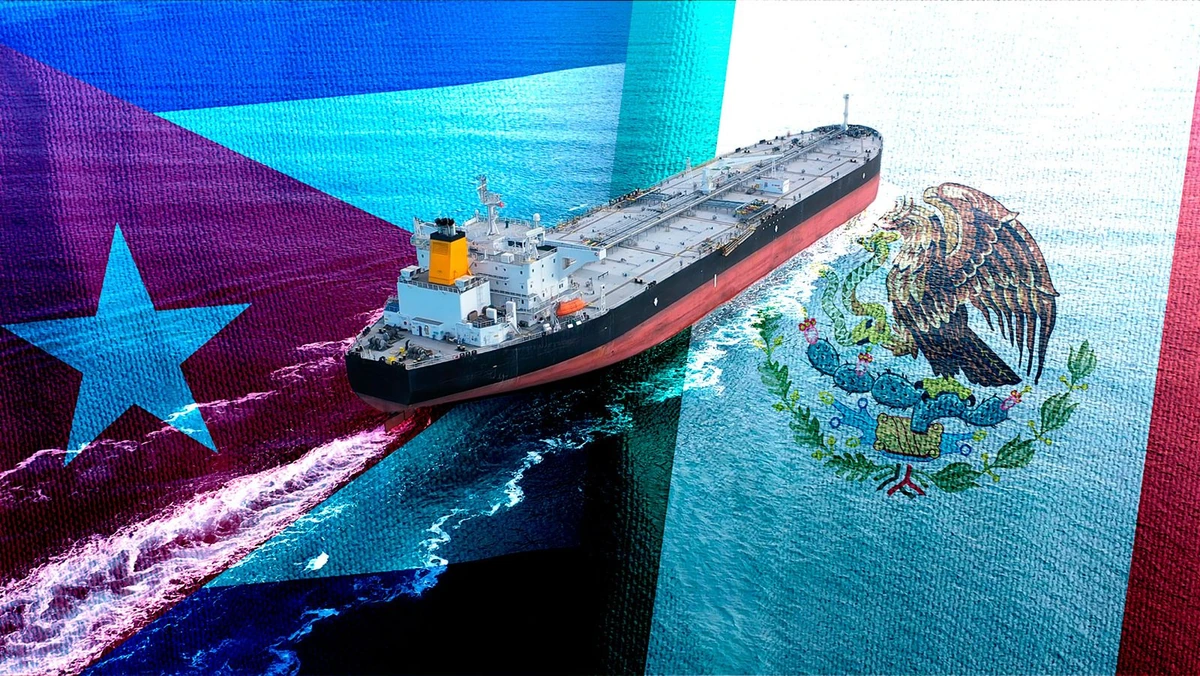
This Monday, March 2, 2026, international headlines are not only talking about technology; they are talking about a tectonic shift in commercial diplomacy. After months of discreet negotiations and an unprecedented energy crisis on the island, the Cuban government has announced full liberalization for private logistics operators, including companies with U.S. capital, to manage cargo terminals at the Mariel Special Development Zone (ZEDM).
For those of us in the transportation sector, this is not just political news; it is the birth of a new node in the Caribbean that will directly impact cabotage and land routes in southeastern Mexico. As an analyst and AI Engineer, I observe that this "logistical thaw" forces a redesign of the network models connecting ports like Veracruz and Progreso with the rest of North America. At Control Terrestre, we are always attentive to these movements that redefine where the economy flows.
The news: Why is Cuba opening its doors now?
The situation in Cuba at the end of February 2026 reached a critical point. The collapse of the national power grid and the shortage of basic supplies forced a decision many considered impossible: allowing private efficiency to take control of entry infrastructure. Today's news confirms that the first operating licenses have been granted to international consortia to modernize the port of Mariel.
This move aims to turn Cuba into a transshipment hub for Neopanamax vessels crossing the Panama Canal. For Mexican logistics, this represents both an opportunity and a challenge. If Mariel becomes a regional distribution center, export routes from southern Mexico could find a new springboard toward Europe and the U.S. East Coast. Networking between Mexican port authorities and the new operators in Cuba will be the key this quarter.
The impact on Southeastern Mexico: Veracruz and Progreso
The opening of Cuba creates a natural bridge. Historically, logistics between Mexico and the island has been limited to basic supplies, but with the entry of private investment in Mariel, we expect a bidirectional flow of construction materials, technology, and consumer goods.
For land transportation in Mexico, this means increased pressure on the corridors feeding our Gulf ports. Teamwork between transportation companies and customs agencies in Veracruz will be vital to manage this surge in demand. It is not just about moving cargo to Cuba, but about integrating the island into the USMCA value chain—something that until today seemed like a distant dream. At Control Terrestre, we understand that every trade opening is a new route that requires security and operational efficiency.
Geopolitics and USMCA: The Washington factor
We cannot ignore that this opening occurs under the shadow of the Trump administration in the U.S. Although the official rhetoric has been one of hardening, economic reality dictates otherwise: American companies do not want to miss the opportunity to rebuild Cuba's logistics infrastructure in the face of Chinese or Russian influence.
Today's news suggests that "humanitarian and logistical exemptions" have been granted, allowing logistics companies from Florida to operate directly in Mariel. This creates a highly interesting Mexico-Cuba-USA commercial triangle. For those of us who analyze foreign trade data, this phenomenon could reduce freight costs in the Caribbean by increasing route supply and competition. The region's resilience depends on this commercial networking being strong enough to withstand political swings.
Operational Challenges: Security and Regulations
Despite the optimism, the challenges are massive. Cuba still faces internal infrastructure problems and complex bureaucracy. Additionally, cargo security on Caribbean maritime routes remains a concern.
This is where the AI vision comes back into play. The integration of traceability systems that can operate in environments with limited connectivity (such as some areas of the island) will be the great differentiator. Technological networking between Mexican software developers and the new Cuban ports will be essential to ensure that cargo does not "get lost" in the information void. At Control Terrestre, we value total cargo visibility, and an opening like this demands even stricter security protocols to protect our clients' interests.
The Future: Toward a Caribbean Common Market?
What we are experiencing this March 2 could be the first step toward deeper logistical integration in the Caribbean. If Mariel succeeds under private management, other ports in the region will follow suit. This will directly benefit the Sonora Plan and the Interoceanic Corridor in Mexico, creating a network of smart ports that efficiently connect the Pacific with the Caribbean.
Regional teamwork will be the engine of this change. At Control Terrestre, we stay at the forefront, observing how these geopolitical changes open new doors for Mexican trade. Logistics is, above all, the art of connecting points, and today, Cuba has become a bright point on our strategic map.
Adaptability in the face of global change
The news from Cuba reminds us that the world of logistics is never static. What yesterday was a blockade, today is a networking opportunity. At Control Terrestre, we continue to analyze every move on the international board to ensure our clients always have the best route, the best information, and the highest security.
Connect with Cutting-Edge Logistics: Control Terrestre / CT Inc.
The world is changing and your supply chain must evolve with it. Do not let borders limit your growth.
Looking to expand your routes to the Caribbean or the Southeast? Discover our experience in port and land logistics at controlterrestre.com.
Strategic Analysis: Find out how changes in Cuba and the USMCA affect your export costs.
Subscribe to our Intelligence Network: Receive the coolest and most interesting analyses on geopolitics and logistics directly in your inbox.
At Control Terrestre, we understand the world to move your business. Together, we connect the future.