Industrial relocation is changing the game in land logistics. Here's what you need to know.
If you've been in the transportation and logistics world for a while, you've surely heard the word nearshoring more than once in recent years. But beyond the buzzword, do you know what's really happening on the ground and how it directly affects you, whether you're a fleet operator, supply chain manager, or owner of a freight company?
Let's break it down.
What is nearshoring and why is Mexico at the center?
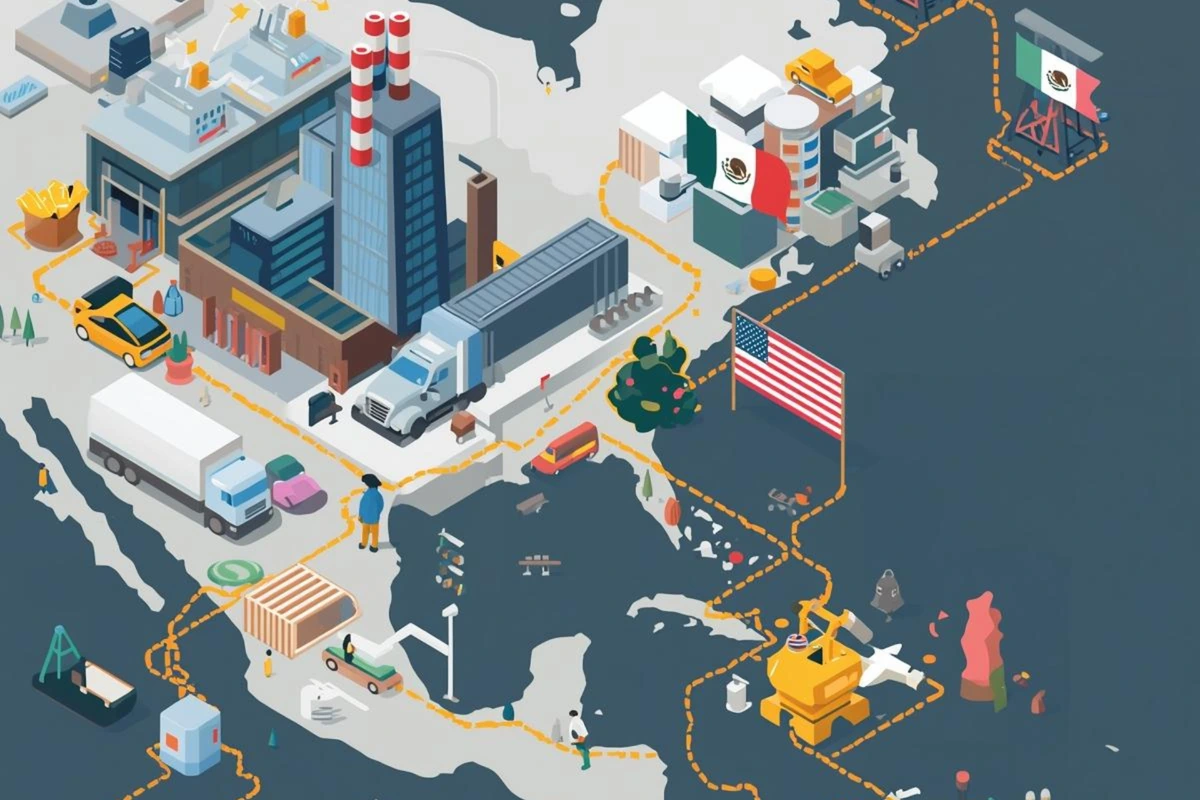
Nearshoring is basically when a company decides to move its production or manufacturing to a country close to its main market, rather than having it in Asia or another distant continent. In the case of North America, Mexico has become the favorite destination for many companies that previously manufactured in China.
Why Mexico? Three main reasons:
→ Competitive labor costs without sacrificing quality
→ Geographic proximity to the United States (the world's largest market)
→ USMCA (formerly NAFTA) that facilitates trade between the three North American countries
The result: in the last three years, Mexico has seen a wave of industrial investment in states like Nuevo León, Coahuila, Querétaro, Guanajuato, and San Luis Potosí. Manufacturing plants for electronics, automotive, aerospace, and consumer goods that didn't exist before or were small are now giants that produce and need to move freight. A lot of freight.
📦 In 2024, Mexico surpassed China as the United States' top trading partner. That didn't happen overnight — and land transportation was key to making it happen. |
The direct impact on land transportation
This is where things get interesting for us. All that nearshoring doesn't move by itself: it needs trucks, operators, routes, warehouses, border crossings, and technology to track it all.
These are the most concrete changes we're seeing in the sector:
→ Increased demand for FTL (full truckload) transportation in the northern and Bajío industrial corridors of Mexico
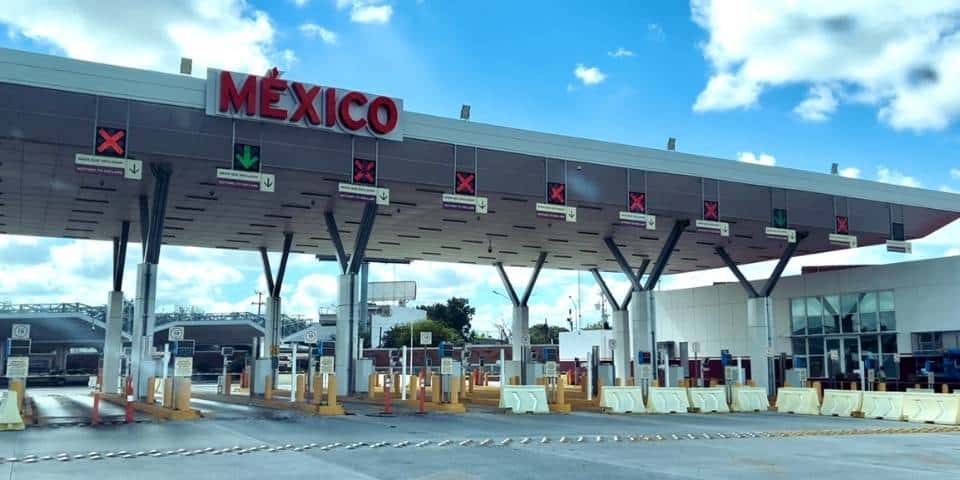
→ Saturation at border crossings like Laredo, El Paso, and Nogales — wait times have increased significantly
→ Need for more operators with knowledge of customs and foreign trade processes
→ Growth of industrial parks forces optimization of industrial last mile, not just urban
→ Greater pressure for real-time visibility: manufacturing clients don't tolerate delays or uncertainty
In short: there's more business, but also more demand. Transportation companies that don't adapt — in technology, capacity, and processes — will be left out of the game.
The challenges no one mentions
Nearshoring sounds great in headlines, but in daily life it has real friction:
→ Infrastructure that doesn't grow at the same pace: roads and bridges aren't built as fast as plants arrive
→ Shortage of certified operators: freight volume is growing, but there aren't enough drivers with experience in international transfers
→ Regulatory complexity at the border: more volume means more inspections, more paperwork, and more risk of delays if you don't have well-established processes
→ Price pressure: with more competitors entering the sector, maintaining healthy margins without compromising service is an art form
💡 CT Advice: If your company operates in the northern or Bajío corridor, consider certifications like C-TPAT and OEA. They're an investment, not an expense — they open doors with international clients who demand high standards. |
What should you do with this information?
It depends on where you stand. But there are some actions that apply to almost everyone:
→ If you have your own fleet: identify the fastest-growing corridors and evaluate if your current capacity can take advantage of them
→ If you hire transportation: start establishing relationships with reliable suppliers before demand increases further and prices do too
→ If you're in supply chain: map your supply chain considering nearshore suppliers — you may have the opportunity to shorten times and costs
→ For everyone: invest in visibility. Today's clients want to know where their freight is at all times. Without tracking technology, you're already one step behind
Nearshoring is here to stay, and Mexico is right at the center of this transformation. The question isn't whether this will affect your operation — it already is. The question is whether you're taking advantage of it.
At Control Terrestre, we closely follow all the changes that move our industry. If you have questions about how to adapt your logistics operation, write to us — we'd be happy to talk.