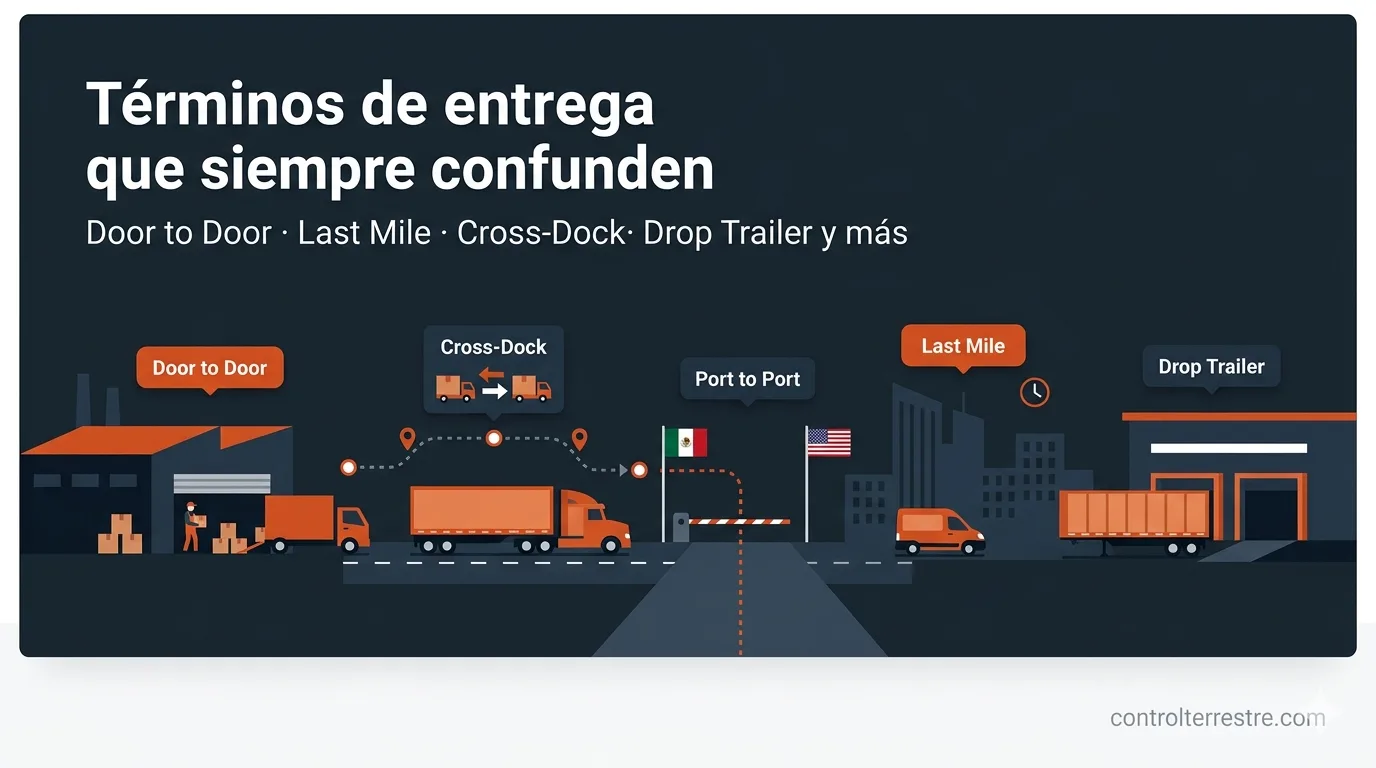
Incoterms (International Commercial Terms) are a set of international rules that define the responsibilities and obligations of buyers and sellers in an international commercial transaction, specifically in relation to the transportation of goods. These terms establish who is responsible for the costs and risks associated with the transportation of goods, from the point of origin to the final destination.
Incoterms determine key aspects of logistics, such as:
Transportation responsibility: Defines who must assume the costs and responsibility for transportation at each stage of the process.
Associated risks: Specifies at what point in the journey the risk transfers from the seller to the buyer.
Customs procedures management: Establishes who is responsible for the formalities and customs procedures, both for export and import.
Delivery and receipt of goods: Defines the exact location where the goods are delivered, and when the responsibility for them changes from one party to another.
Incoterms are established by the International Chamber of Commerce (ICC) and are updated periodically. The most widely used in logistics are the following:
EXW (Ex Works): The seller makes the goods available to the buyer at their own premises.
FOB (Free On Board): The seller assumes the costs and risks until the goods pass over the ship's rail at the port of shipment.
CIF (Cost, Insurance, and Freight): The seller covers the cost, insurance, and freight until the goods arrive at the port of destination.
DAP (Delivered At Place): The seller assumes all costs until the goods are delivered to an agreed place in the buyer’s country.
The use of Incoterms helps to clarify expectations and avoid disputes, improving the efficiency of the logistics chain in international trade.