WRITTEN BY: MARIA JOSE GAMBA | FEBRUARY 11, 2026
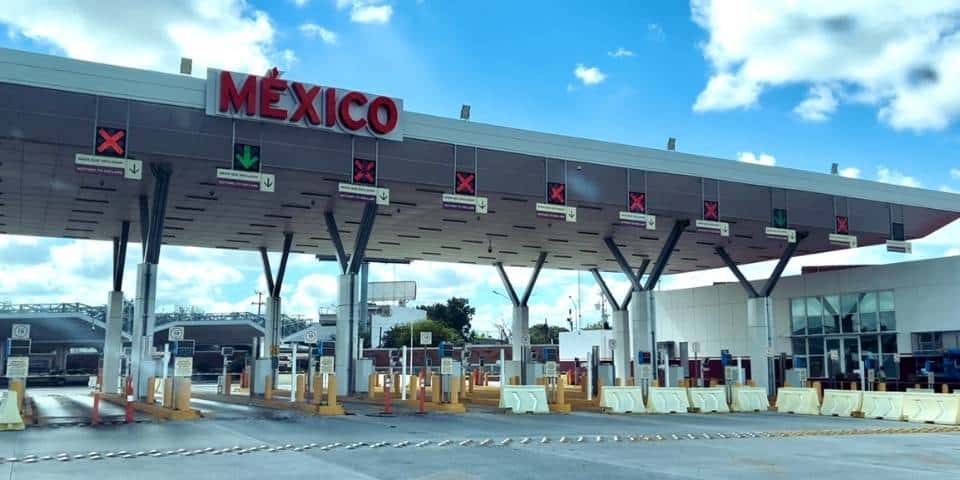
If you are involved in trade between Mexico and the United States, the name you should have on your radar today, February 11, 2026, is the Unified Customs Management System (SUGA). Following its entry into force this week, the rules of the game for cargo documentation have changed dramatically. It is no longer just about digitizing papers, but about total integration in real time that leaves no room for error.
At Control Terrestre, we know that information is the most valuable asset to prevent a unit from being detained at the border port. Therefore, we have prepared this guide with "everything you need to know" to navigate this year's digital bureaucracy without affecting your delivery times.
1. WHAT IS SUGA AND WHY IS IT NEWS TODAY?
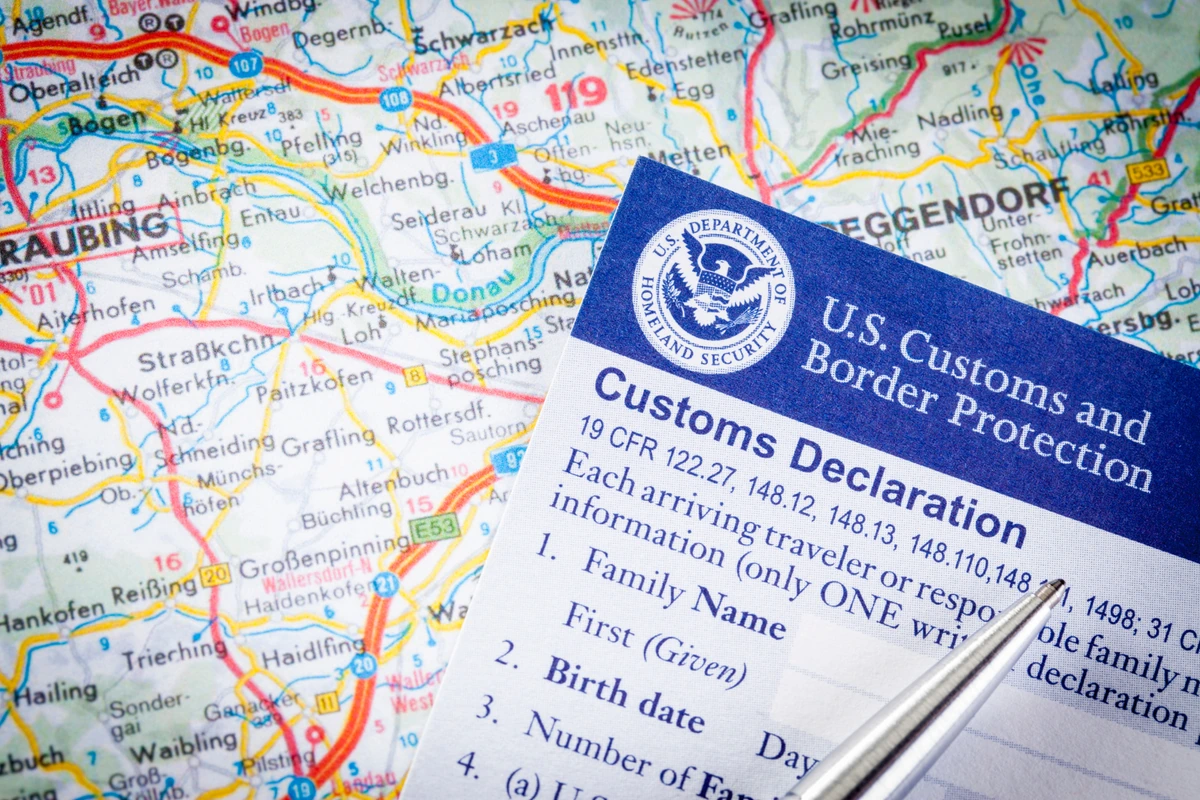
SUGA is the technological response to the need to streamline the USMCA. It is a platform that directly connects the Tax Administration Service (SAT) in Mexico with U.S. Customs and Border Protection (CBP) in the United States.
The big news this week is that the use of dynamic digital folios is now mandatory for 100% of industrial goods. This means that "pre-validation" occurs before the truck starts its engine at the origin plant. If the exporter, transporter, and importer data don't make a perfect "match" in the cloud, the system automatically blocks the crossing.
2. THE 3 PILLARS OF THE DIGITAL FILE
To operate successfully under this new scheme, your logistics partner must master three fundamental elements that are now the industry standard:
E-Manifest 2.0: It is no longer just a merchandise list. It now includes truck telemetry and the operator's biometric identity, linked to Department of Transportation (DOT) records.
Predictive Certificate of Origin: The system now cross-references historical data to automatically validate that components comply with regional rules, reducing post-crossing audits.
Geolocated Security Token: Each dispatch generates a unique code that only activates when the unit enters the 5-kilometer radius of customs, eliminating the risk of document duplication.
3. HOW DOES THIS AFFECT YOUR CROSSING TIMES?
The implementation of this single window has a clear objective: zero friction. Companies that are already aligned with these protocols are reporting a 40% reduction in customs clearance times. However, for those who haven't updated their ERP systems to speak the same language as SUGA, delays due to "digital syntax errors" are costing thousands of dollars in delays.
4. RISKS OF NOT BEING UP TO DATE: AUTOMATED FINES
One of the most discussed news items in the forums of the Confederation of Customs Agent Associations (CAAAREM) is the automation of sanctions. The current system has the ability to issue administrative fines at the moment of detecting a discrepancy in the weights or measurements declared in the digital folio. There is no longer room for "we'll fix it at the bridge." Precision from minute one is the only valid strategy.
February 11, 2026 marks the beginning of an era where the border is, above all, a flow of bits and bytes. Understanding how the new digital window works is not a technical option, it is a strategic necessity for any Supply Chain Director who wants to maintain competitiveness in the North American market.
STAY ONE STEP AHEAD WITH CONTROL TERRESTRE
Customs technology advances fast, but you don't have to navigate it alone. At Control Terrestre, we are experts in turning complexity into fluidity.
Real-time updates: Subscribe to our newsletter to receive the latest news
Elite Logistics: Let us handle the technology while you focus on growing your business.
At Control Terrestre, we connect more than borders; we connect digital solutions. Visit us and discover why we are the sector's information reference.