The Caribbean Chessboard
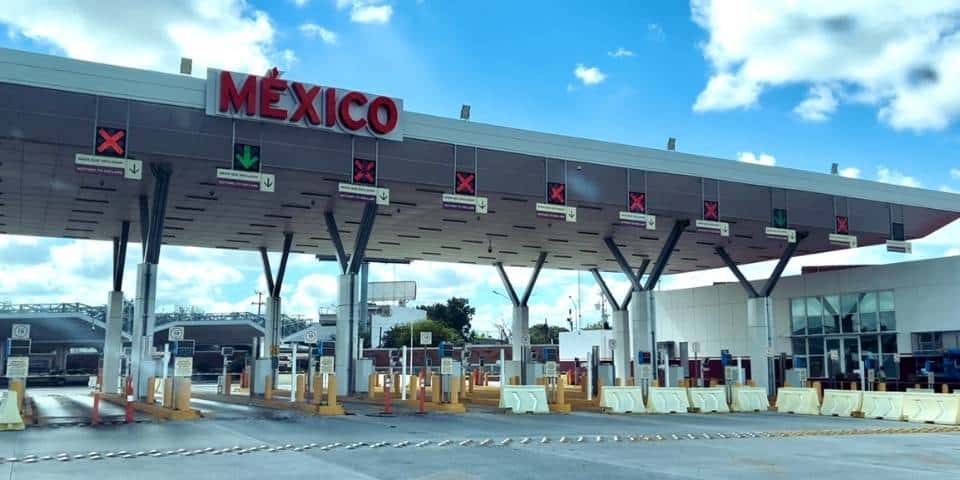
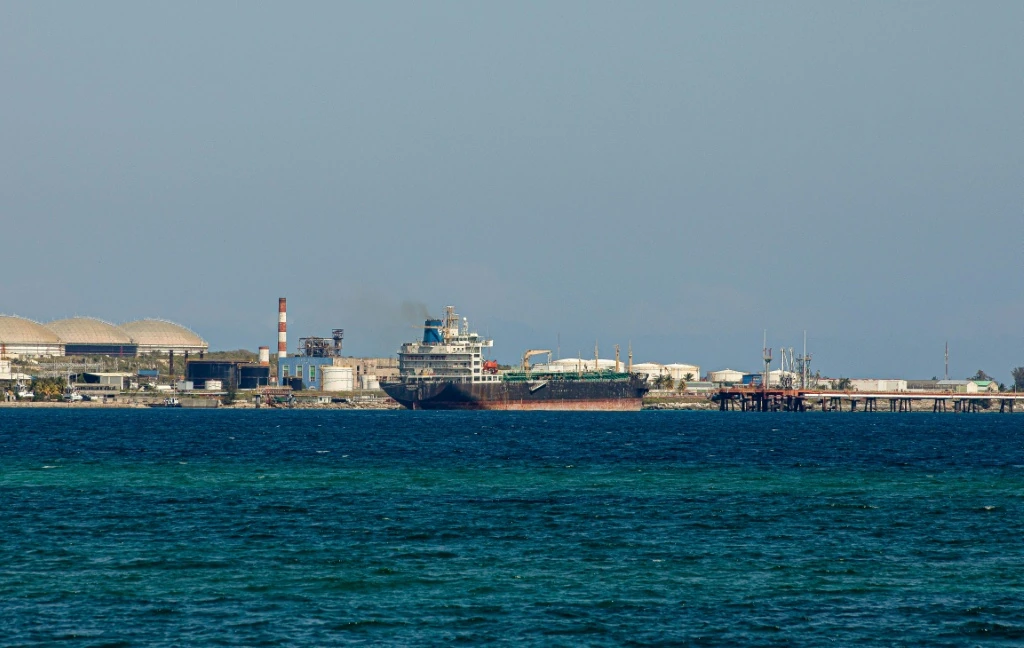
This Thursday, March 5, 2026, geopolitical attention shifts from the land borders of USMCA to the deep blue of the Florida Strait. The news that shakes the energy and logistics sector is unequivocal: the Trump administration has intensified satellite surveillance and sanctions on any vessel suspected of transporting hydrocarbons to Cuba. This occurs at the worst possible time for the island, which reports a structural collapse in its national electrical system, leaving millions of people without a constant energy supply and paralyzing local industry.
For those of us operating in the Control Terrestre environment, and moving strategic cargo in southeastern Mexico, this is not a foreign event or merely political. The energy crisis in Cuba is a brutal reminder of the fragility of supply chains in regions under geopolitical pressure. Mexico, historically a crude oil supplier to the island, today finds itself in a delicate position. Washington's pressure has forced a drastic reconfiguration of PEMEX exports to prevent Mexico from being the target of retaliatory tariffs under Executive Order 14380. As an AI Engineer, I analyze this scenario as a crisis of "nodes and flows": when a traditional route is blocked by politics, emergency logistics must reinvent the path through technology.
1. The Rise of the Private Sector and "Mile Zero" Fuel Logistics
The big news of this March 5 is the paradigm shift within Cuba. Faced with the State's inability to guarantee basic supplies, small and medium-sized private enterprises (SMEs) have been given the green light to import their own fuel directly. This is a historic milestone: it marks the end of an era of state monopoly and opens up an unprecedented opportunity for logistics operators who have the capability to handle critical cargo in high regulatory risk environments.
From the perspective of Operational AI, this represents an immense traceability challenge. Moving energy products today is not just a matter of ships and tanks; it requires systems that ensure that the origin, financial transaction, and final destination strictly comply with the humanitarian exemptions permitted by OFAC (Office of Foreign Assets Control).
We observe that networking between financial technology companies (FinTech) and maritime carriers is the only thing that allows basic supplies to continue reaching those who need them without triggering the Trump administration's sanctions. Logistics has become a branch of technical diplomacy. We are witnessing the birth of the transnational "Mile Zero," where fuel micro-logistics must be managed with the precision of an Amazon shipment, but with the rigor of an international treaty.
2. The Impact in Veracruz: From Hydrocarbons to Modular Energy
Veracruz, our natural port of departure to the Caribbean, is experiencing a fascinating mutation in its export cargo. Due to sanctions on conventional oil, the crude flow has decreased, but it has been replaced by a massive increase in demand for modular energy solutions: solar panels, high-density lithium batteries, and high-efficiency generators. The technical news of this Thursday is the rise of Decentralized Energy Logistics.
Transporting these equipment from manufacturing centers in Mexico's Bajío and Northern regions to the port of Veracruz requires impeccable and highly specialized land logistics. At Control Terrestre, we understand that the safe transport of these high-tech components (vibration-sensitive and high unit value) is vital for regional stability.
If oil cannot cross for political reasons, clean energy technology must find its way through transparent logistics corridors. The teamwork between packaging engineers, customs experts, and land carriers is what is keeping alive the hope for an energy recovery in the region. We no longer move just liquid energy; we move the components that allow Cuban companies to generate their own electricity.
3. Data Geopolitics: Satellite Surveillance and "Compliance Engineering"
Trump has been clear in his communications this week: "Nothing moves in the Caribbean without us knowing it." In March 2026, logistics has completely lost its ability to be anonymous. The use of open-source intelligence (OSINT) and high-resolution commercial satellite tracking have made every movement, from the port of departure to the destination node, public and auditable in real time.
As an engineer, I see that Compliance has ceased to be a legal task to become a branch of software engineering. It is not enough to sign a contract stating that sanctions are not violated; it must be demonstrated through encrypted data and tamper-proof position logs based on Blockchain technology.
4. The Mexico Factor: Bridge or Barrier?
Mexico's position this March 5 is one of forced technical neutrality. While the federal government attempts to maintain historical ties with Cuba, the reality of economic integration with the United States dictates the rules of the game. This has created an opportunity for Mexican logistics companies to professionalize to global levels.
We are seeing how the infrastructure of southeastern Mexico, particularly the Interoceanic Corridor, is positioning itself as an alternative for cargo movement seeking to avoid areas of greater political friction. Regional networking between Mexican ports and Florida operators is more intense than ever, seeking channels that allow humanitarian aid and private commerce without conflicting with Washington's rhetoric. In this environment, logistics intelligence is the only lubricant that prevents the regional trade engine from seizing up.
Resilience is Our Only Option
Whether managing the efficiency of an asset at Expo Toluca or in the waters of sanctions in the Caribbean, the lesson of this March 5 is the same: logistics is the nervous system of geopolitics. It is not just a service; it is the survival mechanism of nations and companies.
At Control Terrestre, we continue to transform these global challenges into local, safe operational solutions. Because in 2026, whoever controls the data, traceability, and route, controls the future. The energy crisis forces us to be more creative, more technological, and more united.
Move Your Business with Control Terrestre's Intelligence
In a world of sanctions and blockades, clarity is your best ally. Don't let geopolitical uncertainty stop your commercial flows.
Logistics to the Caribbean and Southeast: We are specialists in handling critical and technological cargo. Learn more at controlterrestre.com.
Subscribe to our Intelligence Network: Receive weekly analysis from María José Gamba that really moves the needle in your decision-making.
At Control Terrestre, we don't just move cargo; we manage the resilience of North America. Together, we illuminate the path of commerce.