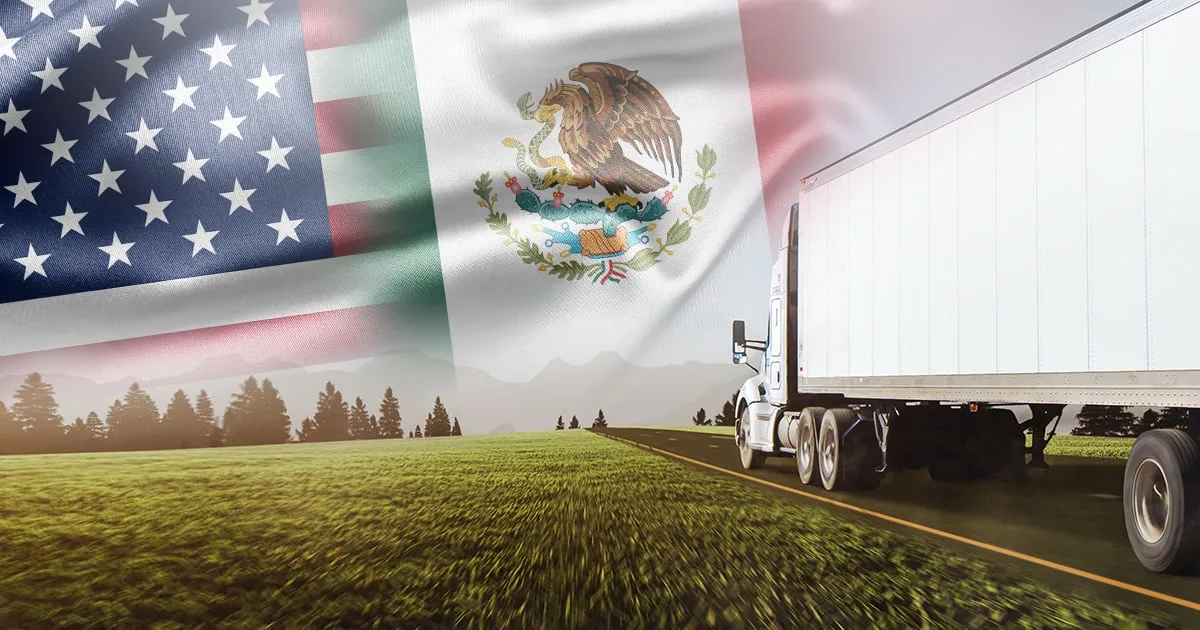
Exporting or importing between Mexico and the United States is one of the most frequent commercial operations in North America. But frequent does not mean simple. Behind every shipment lies a series of operational challenges that, if not managed well, turn into delays, additional costs, and an administrative burden that grows with each shipment.
These are the three most common challenges faced by companies moving freight in this corridor, and how the Door-to-Door model is helping to solve them.
Challenge 1: Coordination between carriers
In a traditional logistics setup, a single shipment can involve multiple players: a carrier in Mexico, a border broker, a carrier on the U.S. side. Each has their own timelines, their own systems, and their own way of communicating.
The result is predictable: fragmented information, slow response times, and a chain where any link can break the rhythm of the entire operation. If there is a delay, finding the responsible party can take longer than solving the problem itself.
The solution is not to coordinate more providers better. It is to reduce the number of providers you need to coordinate. The Door-to-Door model centralizes the entire operation with a single logistics partner, eliminating intermediate transfers and communication blind spots.
Challenge 2: Border crossing management
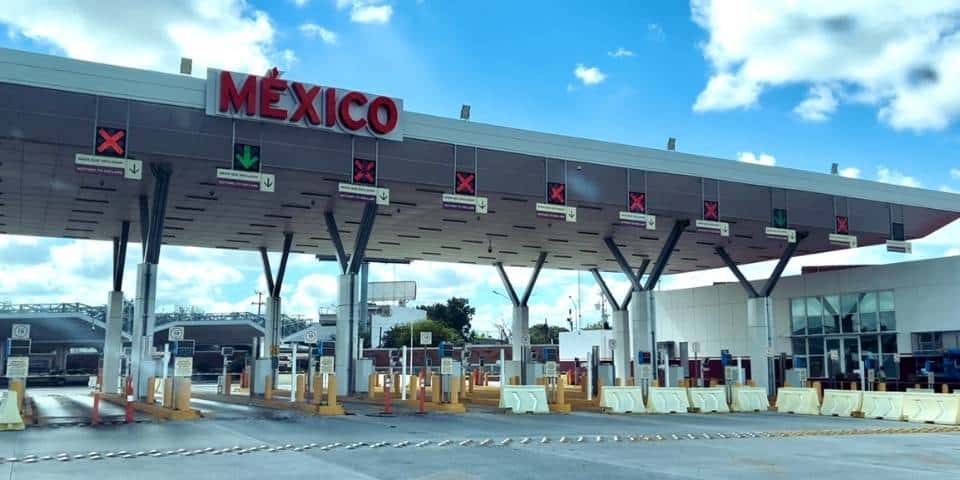
The Mexico-U.S. border is one of the busiest commercial crossings in the world, with thousands of units transiting daily through points such as Laredo, El Paso, or Nogales. And it is also where delays are most concentrated.
Incomplete documentation, variable inspection times, customs requirements that change with the regulatory context: managing the border crossing requires specific expertise and operational presence at the entry points. It is not something that can be improvised.
Companies that work with a logistics partner specialized in the Mexico-U.S. corridor have a clear advantage: someone who already knows the processes, timelines, and documentary requirements of each crossing, and who can anticipate problems before they become costs.
Challenge 3: Operational freight control
Where is your freight right now? If the answer involves calling two different people before getting a response, there is a visibility problem.
Operational control is not just knowing where the truck is. It is having certainty about delivery times, documentation in order, cargo condition, and the ability to react quickly if something changes. For companies working with U.S. customers that have strict receiving windows, this level of control is not optional.
Centralizing the operation with a single provider directly improves visibility. There are fewer intermediaries between you and the information, and a single point of accountability for the entire journey.
Why companies are migrating to the Door-to-Door model
The three challenges above have something in common: they all stem from fragmentation. Too many players, too many transfers, too many points where something can go wrong.
The Door-to-Door model solves this at the root. A single partner manages the entire operation, from pickup at origin to delivery at final destination. The result is simpler, more controlled, and more reliable logistics, regardless of the volume of shipments you handle.
For growing companies that need to scale their international operation without proportionally scaling their administrative burden, this model is not a trend. It is the natural direction toward which efficient logistics is moving.
At Control Terrestre, we are that partner
We have been operating in the Mexico-U.S. corridor for years with a service model that centralizes responsibility and simplifies the operation for our clients. We know the border, we know the processes, and we know what it takes to deliver on time with documentation in order.
If you want to evaluate how we can simplify your international logistics, the first step is a conversation.