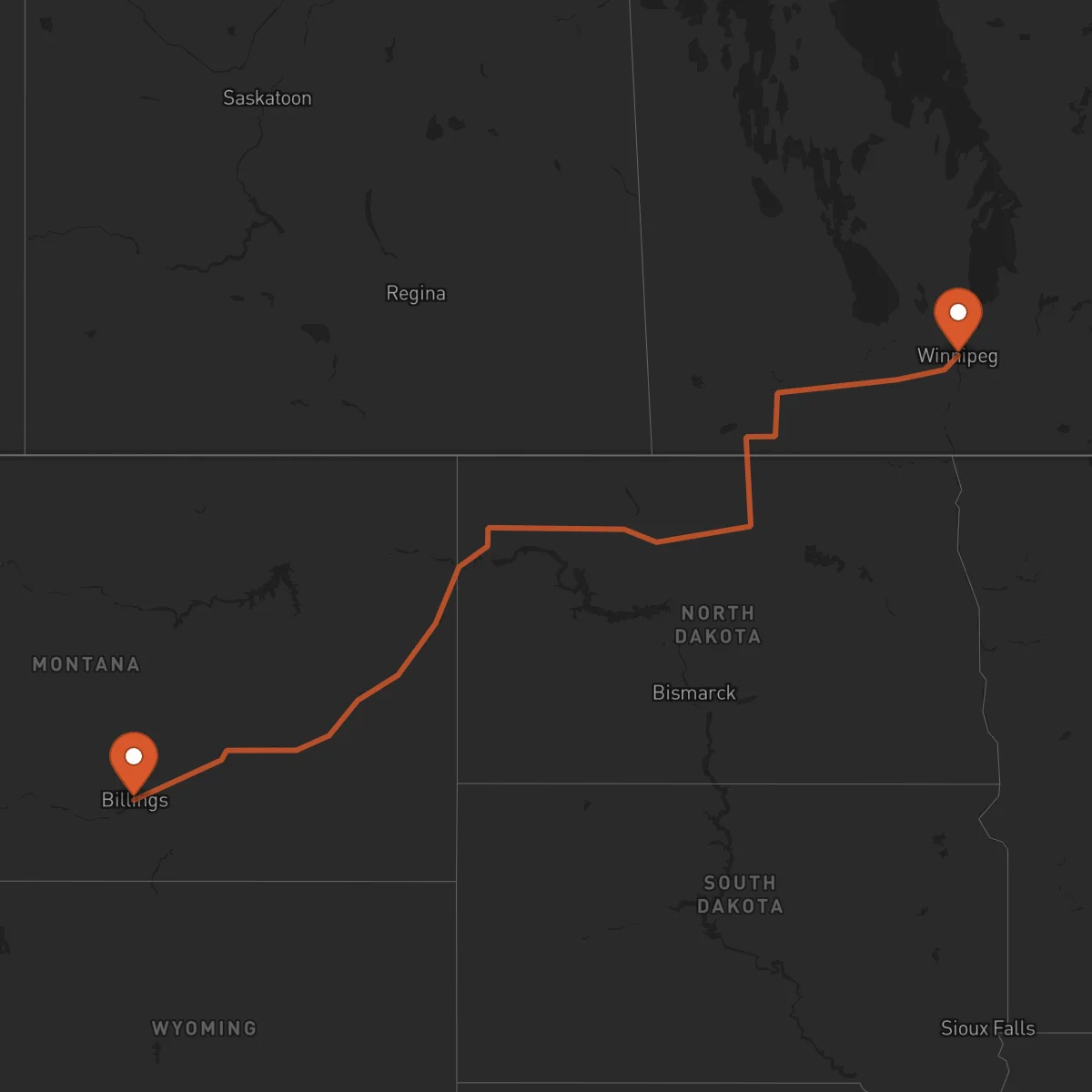
Winnipeg to Billings
Billings → WinnipegFTL freight transportation service between Winnipeg and Billings. Reliable logistics solutions for your business.
Route Description
Everything you need to know about the corridor Winnipeg - Billings
The Winnipeg-Billings corridor represents a vital cross-border logistics connection between Manitoba, Canada, and Montana, United States. This 962 km route traverses the Canadian Prairies and Northern Rockies, linking the agricultural heartland of Western Canada with the energy and industrial sectors of Montana. The corridor's strategic importance lies in its ability to facilitate the seamless movement of goods between two major economic regions, supporting trade relationships and supply chain efficiency.
This route serves a diverse range of industries, including agriculture, energy, manufacturing, and mining. Winnipeg's role as a major transportation hub in Western Canada complements Billings' position as a key distribution center in the Northern Rockies. The corridor benefits from well-developed transportation infrastructure, primarily utilizing the Trans-Canada Highway (Highway 1) and Interstate 94, which provide reliable and efficient freight movement.
Key border crossings along this route include the Sweetgrass-Coutts crossing, one of the busiest commercial ports on the US-Canada border. Control Terrestre's expertise in cross-border operations ensures smooth customs clearance and compliance with both Canadian and US regulations. Our team's familiarity with the specific requirements of this corridor allows us to optimize transit times and minimize potential delays, providing our clients with a seamless transportation experience from origin to destination.
Services for this Route
Available services for the corridor Winnipeg - Billings
 Origin
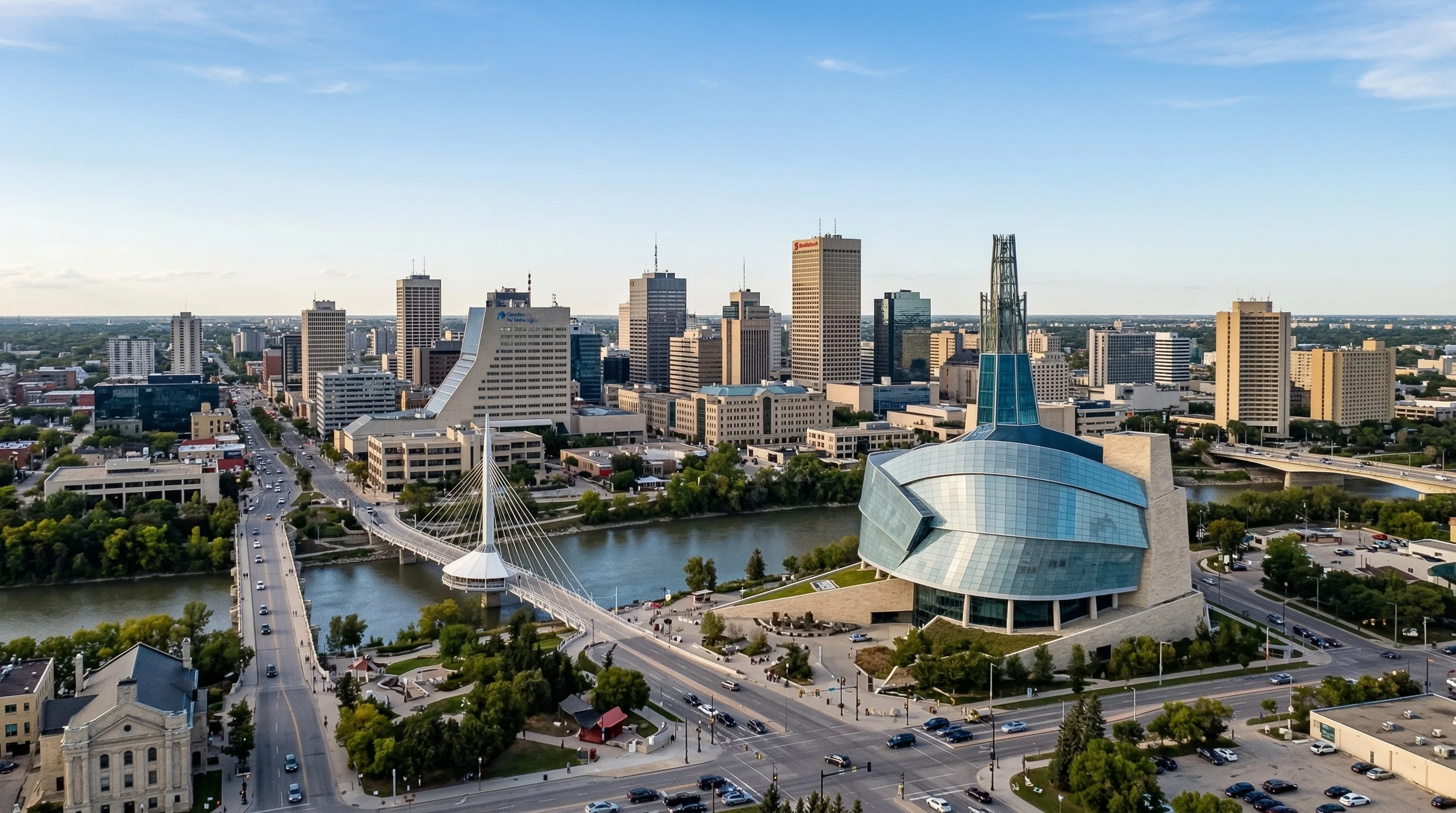
Winnipeg, the capital city of Manitoba, is strategically positioned at the confluence of the Red and Assiniboine Rivers, making it a natural logistics hub for Western Canada. The city's central location in North America provides excellent connectivity to major markets in both Canada and the United States. Winnipeg's economy is diverse, with key sectors including manufacturing, aerospace, transportation, and agriculture. The city is home to a significant food processing industry, taking advantage of the surrounding agricultural region.
The transportation infrastructure in Winnipeg is robust, featuring a major international airport, extensive rail networks operated by Canadian National Railway and Canadian Pacific Railway, and a well-developed highway system. The city's logistics capabilities are further enhanced by the Port of Churchill, providing unique access to Arctic shipping routes. Winnipeg's strategic position and comprehensive transportation network make it an ideal origin point for cross-border freight movements to the United States.
 Destination
Billings
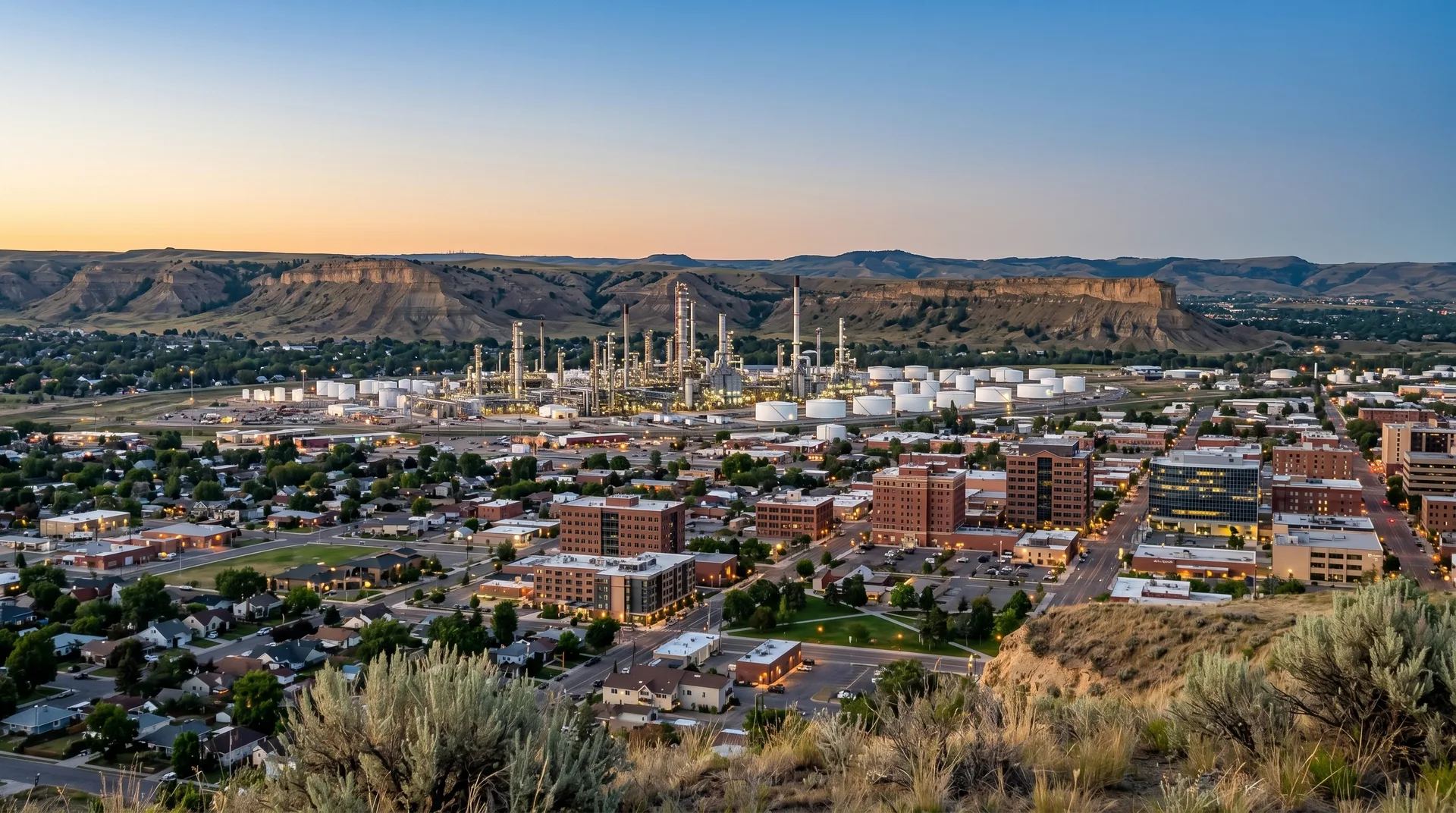
Billings, Montana, is the largest city in the state and serves as a major economic center for the Northern Rockies region. Its location at the intersection of major transportation routes, including Interstate 90 and Interstate 94, makes it a crucial logistics hub for Montana and neighboring states. Billings' economy is primarily driven by energy production, agriculture, and healthcare, with a growing presence in technology and manufacturing sectors.
The city's transportation infrastructure is well-developed, featuring the Billings Logan International Airport, extensive rail connections through BNSF Railway, and a comprehensive highway network. Billings' strategic position allows for efficient distribution to major markets in the western United States, including Denver, Salt Lake City, and Seattle. The city's proximity to the Bakken oil fields and its role as a regional medical center further enhance its importance as a destination for specialized freight and time-sensitive shipments.










