Vancouver to Albany
Albany → VancouverFTL freight transportation service between Vancouver and Albany. Reliable logistics solutions for your business.
Route Description
Everything you need to know about the corridor Vancouver - Albany
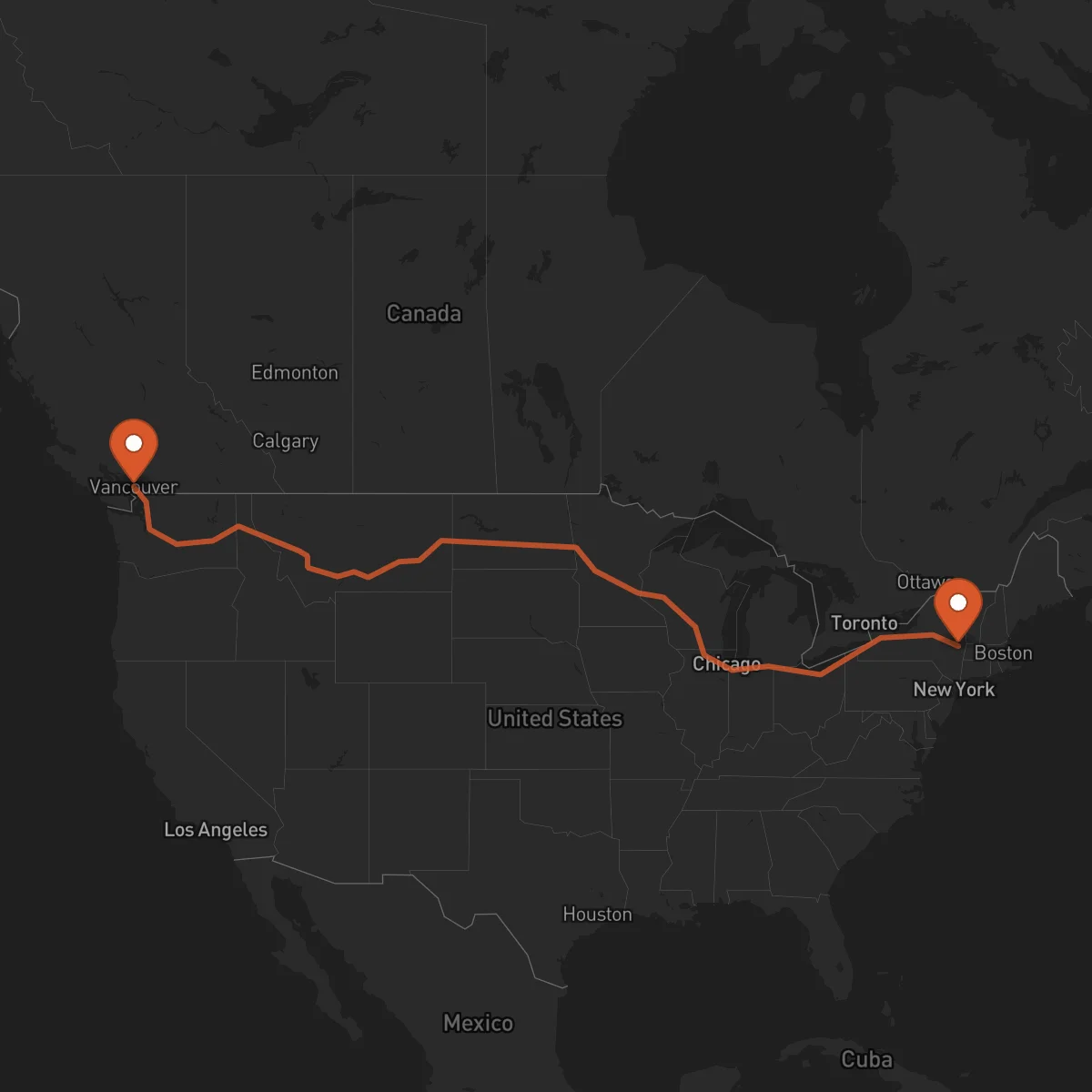
The Vancouver to Albany corridor represents one of North America's most critical cross-border freight transportation routes, spanning approximately 3,815 kilometers through diverse economic regions. This east-west connection links Canada's Pacific gateway with New York's capital region, facilitating the movement of goods between major manufacturing centers, distribution hubs, and consumer markets. The corridor traverses multiple provinces and states, crossing the Canada-US border at key points that provide access to major interstate highway systems.
The economic significance of this route cannot be overstated, as it connects Vancouver's bustling port and industrial base with Albany's strategic location in the northeastern United States. This corridor serves as a vital link in the North American supply chain, supporting industries ranging from automotive and technology to agriculture and consumer goods. The route passes through major urban centers and industrial zones, providing access to millions of consumers and thousands of businesses along the way.
Transportation infrastructure along this corridor includes major highways such as the Trans-Canada Highway, I-90, and I-87, which provide reliable and efficient freight movement. Key border crossings, including those near Buffalo and Detroit, offer various processing options for commercial traffic. Control Terrestre's expertise in cross-border operations ensures seamless customs clearance and compliance with all regulatory requirements, minimizing delays and optimizing transit times for our clients' shipments.
Services for this Route
Available services for the corridor Vancouver - Albany
 Origin
Vancouver
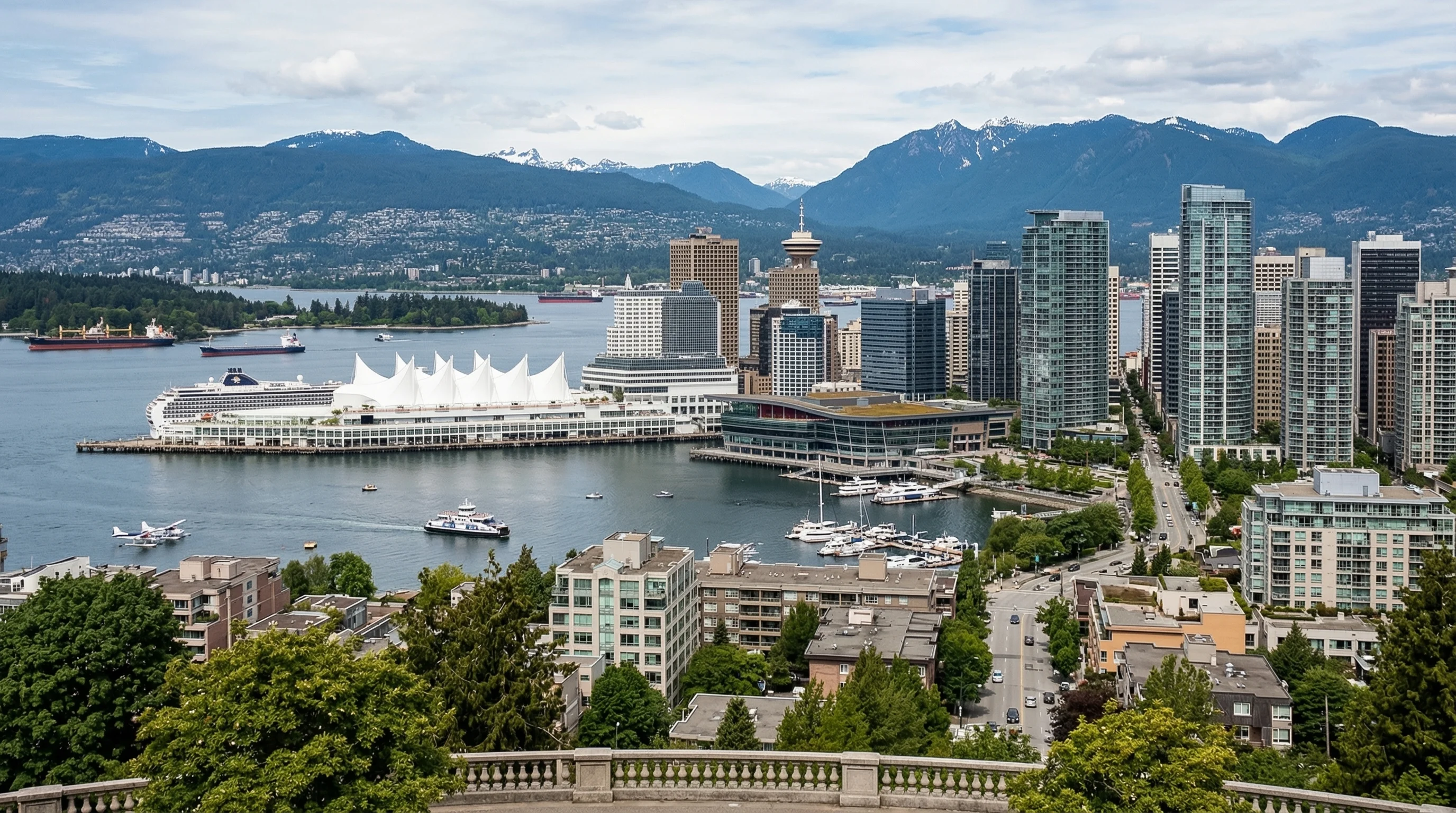
Vancouver stands as Canada's primary Pacific gateway and a crucial logistics hub for international trade. Located on the country's west coast, this vibrant city offers direct access to major shipping routes connecting North America with Asia-Pacific markets. Vancouver's port facilities rank among the busiest in North America, handling millions of containers annually and serving as a critical entry point for goods destined for both Canadian and US markets. The city's strategic position makes it an ideal origin point for cross-border freight movements, with excellent connectivity to major highway networks and rail systems.
The region's economy is diverse and robust, with key industries including technology, film production, natural resources, and advanced manufacturing. Vancouver's proximity to major distribution centers and industrial parks in British Columbia creates numerous opportunities for efficient freight consolidation and routing. The city's transportation infrastructure includes extensive highway systems, rail connections, and proximity to Vancouver International Airport, providing multiple options for multimodal freight solutions.
 Destination
Albany
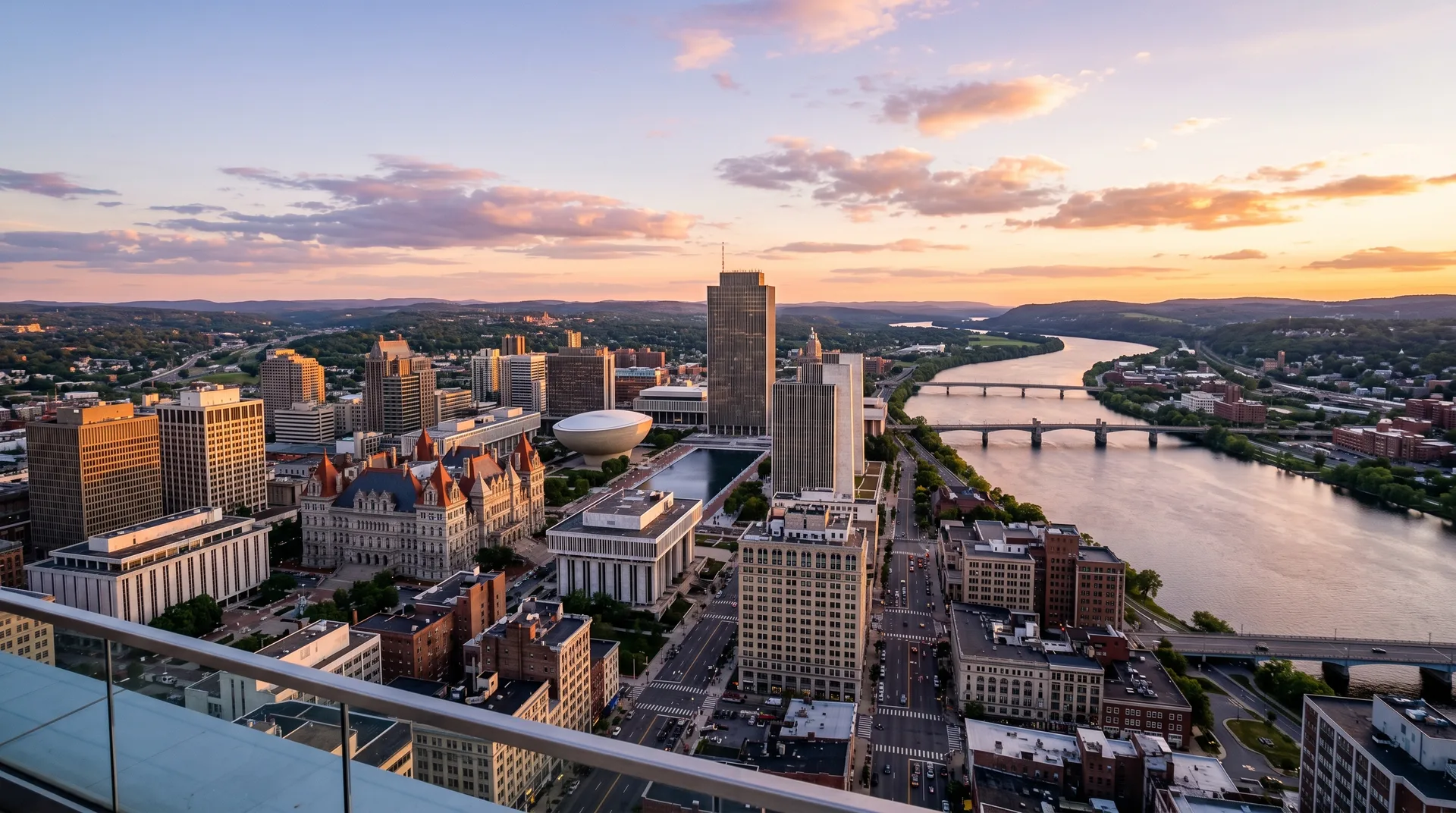
Albany serves as a strategic logistics hub in New York's capital region, offering excellent connectivity to major northeastern US markets. Located along the Hudson River, Albany provides access to both inland waterway transportation and extensive highway networks, including I-90 and I-87. The city's position makes it an ideal distribution point for goods destined for New York City, Boston, and other major metropolitan areas within a day's drive. Albany's transportation infrastructure includes the Port of Albany, rail connections, and close proximity to major airports, facilitating efficient freight movement and distribution.
The region's economy encompasses diverse sectors including government, education, healthcare, and advanced manufacturing. Albany's location within the Tech Valley corridor has attracted numerous technology and semiconductor companies, creating demand for specialized freight services. The city's industrial parks and warehousing facilities provide excellent options for freight consolidation, cross-docking, and final distribution, making it a crucial node in the northeastern US supply chain.










