Tijuana to Manzanillo
Manzanillo → TijuanaFTL freight transportation service between Tijuana and Manzanillo. Reliable logistics solutions for your business.
Route Description
Everything you need to know about the corridor Tijuana - Manzanillo
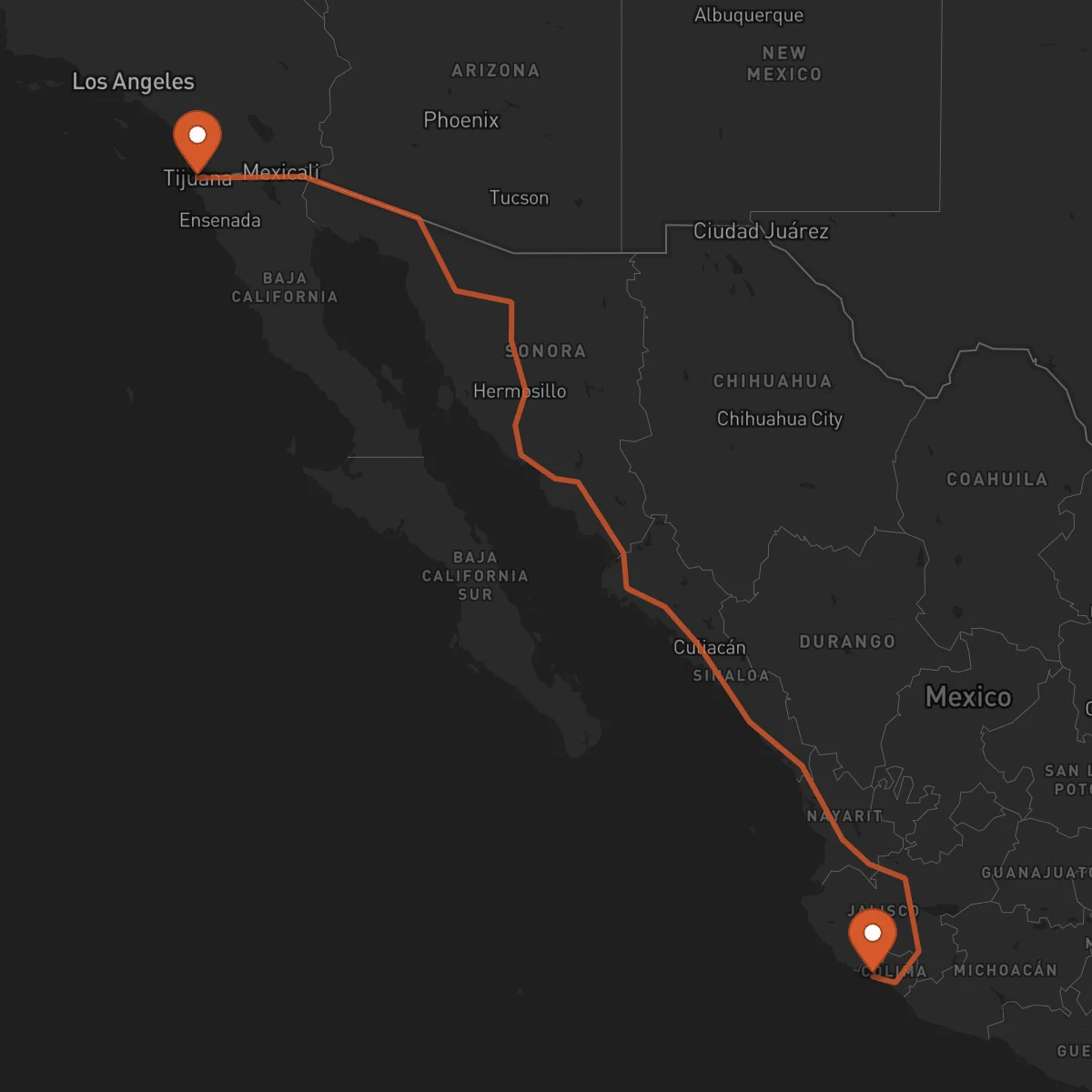
The Tijuana to Manzanillo corridor represents a vital logistics connection in Mexico, spanning approximately 1,962 kilometers through the country's most industrialized regions. This domestic route links Baja California's northern border with the Pacific coast, creating a strategic supply chain artery that supports both import-export operations and internal commerce. The corridor traverses key industrial states including Sonora, Sinaloa, Nayarit, and Colima, connecting manufacturing hubs with one of Mexico's most important Pacific ports.
The economic significance of this corridor cannot be overstated. Tijuana serves as a gateway for international trade, while Manzanillo stands as Mexico's busiest container port, handling over 2.5 million TEUs annually. This route facilitates the movement of goods between the U.S.-Mexico border region and Pacific shipping routes, making it essential for automotive, electronics, agricultural, and consumer goods industries. The corridor's infrastructure includes major highways such as Mexico Federal Highways 15D and 23, providing efficient north-south connectivity.
Control Terrestre specializes in optimizing freight operations along this critical corridor. Our network of certified transportation partners ensures reliable full truckload (FTL) service, with specialized equipment options including dry vans, refrigerated units, and flatbeds to accommodate diverse cargo requirements. We understand the unique challenges of this route, from border crossing logistics to temperature-controlled transport for perishable goods, and provide tailored solutions that maintain cargo integrity throughout the journey.
Services for this Route
Available services for the corridor Tijuana - Manzanillo
 Origin
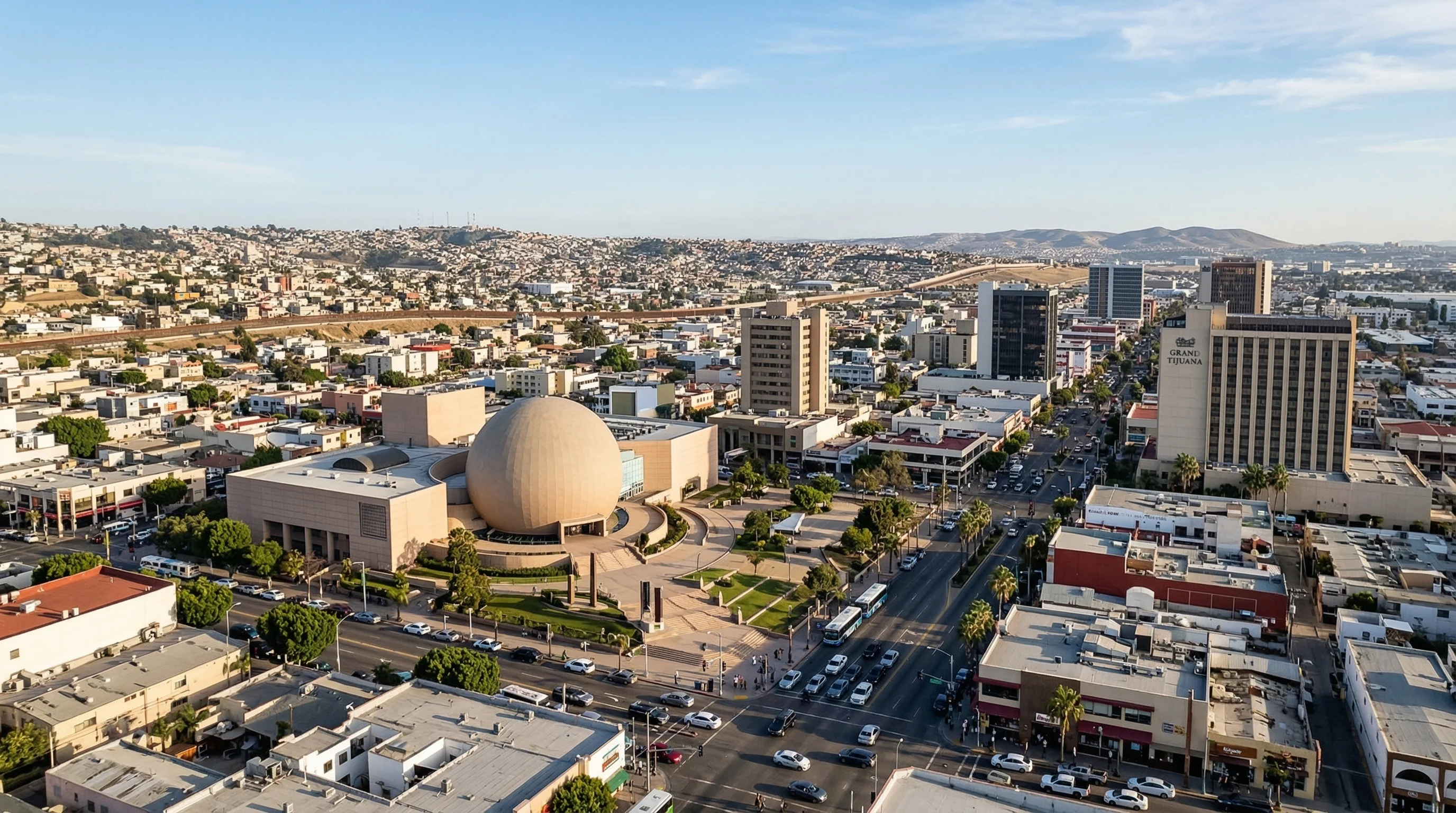
Tijuana
Tijuana stands as a strategic logistics powerhouse on Mexico's northern border, serving as the primary gateway for U.S.-Mexico trade. Located just 210 kilometers from San Diego, California, this border city processes billions of dollars in cross-border commerce annually. The region boasts sophisticated transportation infrastructure including the Otay Mesa and Tijuana International Airport facilities, extensive highway networks connecting to California's major freight corridors, and proximity to the Port of Ensenada for maritime operations.
The city's economic landscape is dominated by manufacturing and export-oriented industries, with over 500 maquiladora plants producing electronics, medical devices, aerospace components, and automotive parts. Tijuana's industrial parks are home to major multinational corporations, creating a high-volume freight environment that demands reliable transportation solutions. The region's proximity to major U.S. markets combined with Mexico's trade agreements makes it an ideal origin point for both northbound exports and southbound imports, requiring specialized logistics expertise to navigate cross-border regulations and documentation requirements.
 Destination
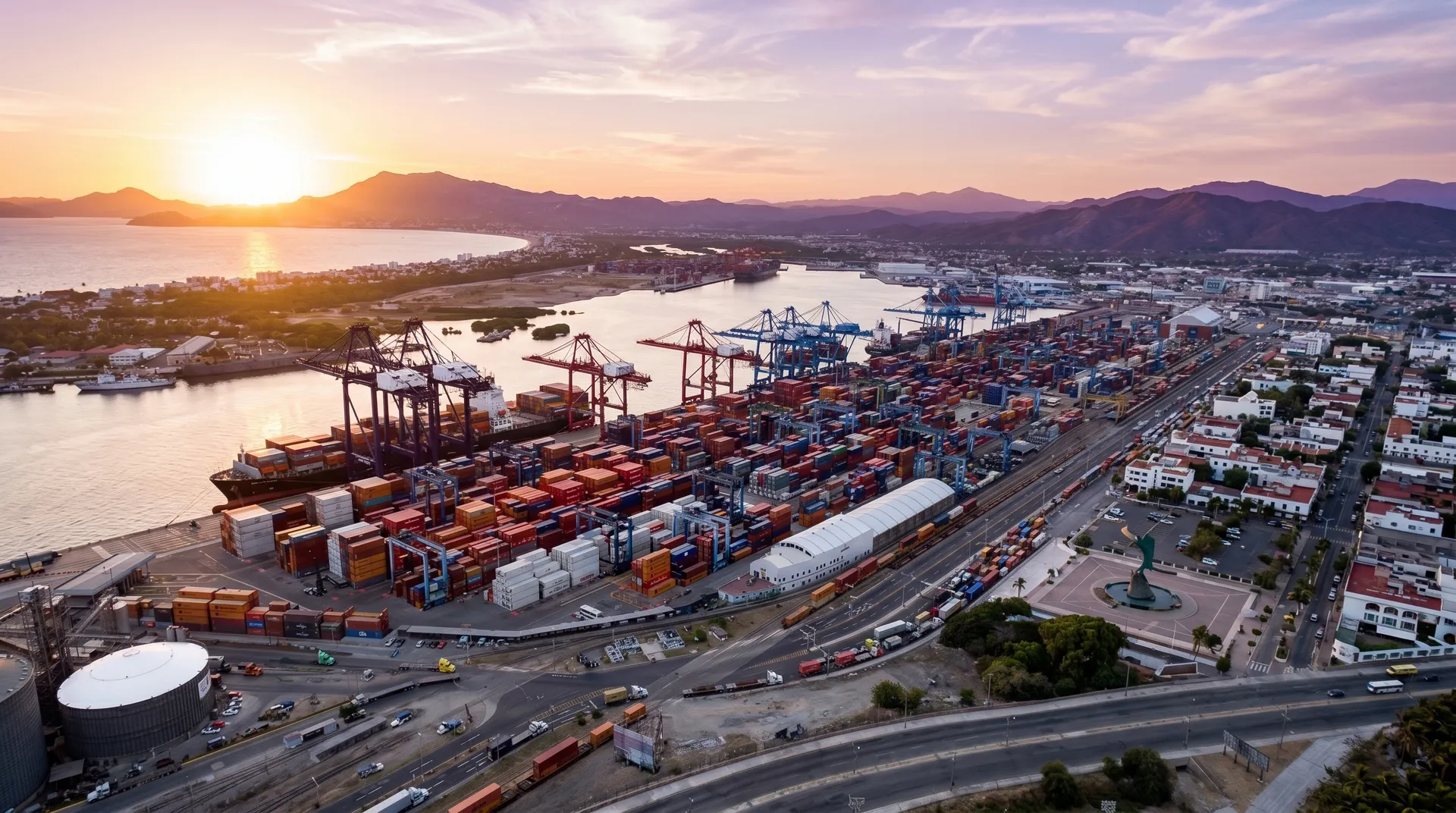
Manzanillo represents Mexico's premier Pacific port city, strategically positioned to serve as the country's primary maritime gateway to Asia and the Pacific Rim. The Port of Manzanillo handles the highest container volume in Mexico, with state-of-the-art facilities including specialized terminals for automobiles, bulk cargo, and refrigerated goods. The port's deep-water capabilities accommodate the largest container vessels, while its rail connections provide seamless inland distribution throughout central and northern Mexico.
The Colima region's economy centers around port-related activities, with strong industrial clusters in automotive manufacturing, food processing, and agricultural exports. Manzanillo's strategic location provides efficient access to Mexico's central highlands and northern industrial centers, making it a critical node in both import and export supply chains. The city's infrastructure includes modern highways connecting to Guadalajara and Mexico City, as well as specialized logistics zones designed to support the high-volume freight traffic that characterizes this important commercial hub.










