
Somoto to El Paso
El Paso → SomotoFTL freight transportation service between Somoto and El Paso. Reliable logistics solutions for your business.
Route Description
Everything you need to know about the corridor Somoto - El Paso
The Somoto-El Paso corridor represents a vital logistics connection between Central America and the United States, spanning approximately 2,871 kilometers through diverse terrain and multiple jurisdictions. This cross-border route serves as a critical artery for commerce, linking Nicaragua's agricultural heartland with one of Texas's most important industrial and logistics hubs. The corridor traverses key regions of both countries, facilitating the movement of goods that drive economic integration between North and Central America.
The economic significance of this corridor extends beyond simple transportation, supporting trade relationships that benefit industries on both sides of the border. From Somoto's agricultural production to El Paso's manufacturing and distribution centers, this route enables the efficient flow of commodities, manufactured goods, and specialized cargo. The corridor particularly serves agribusinesses, manufacturers, and retailers who depend on reliable cross-border freight solutions to maintain their supply chains and meet market demands.
Transportation infrastructure along this route includes major highways such as CA-1 through Nicaragua and Honduras, connecting to Mexican Federal Highways before crossing into Texas via designated border crossings. The journey requires coordination across multiple customs jurisdictions, making experienced logistics partners essential for navigating documentation requirements and regulatory compliance. Control Terrestre facilitates seamless operations on this corridor through our extensive network of certified carriers, expertise in cross-border procedures, and commitment to timely, secure freight delivery from origin to destination.
Services for this Route
Available services for the corridor Somoto - El Paso
 Origin
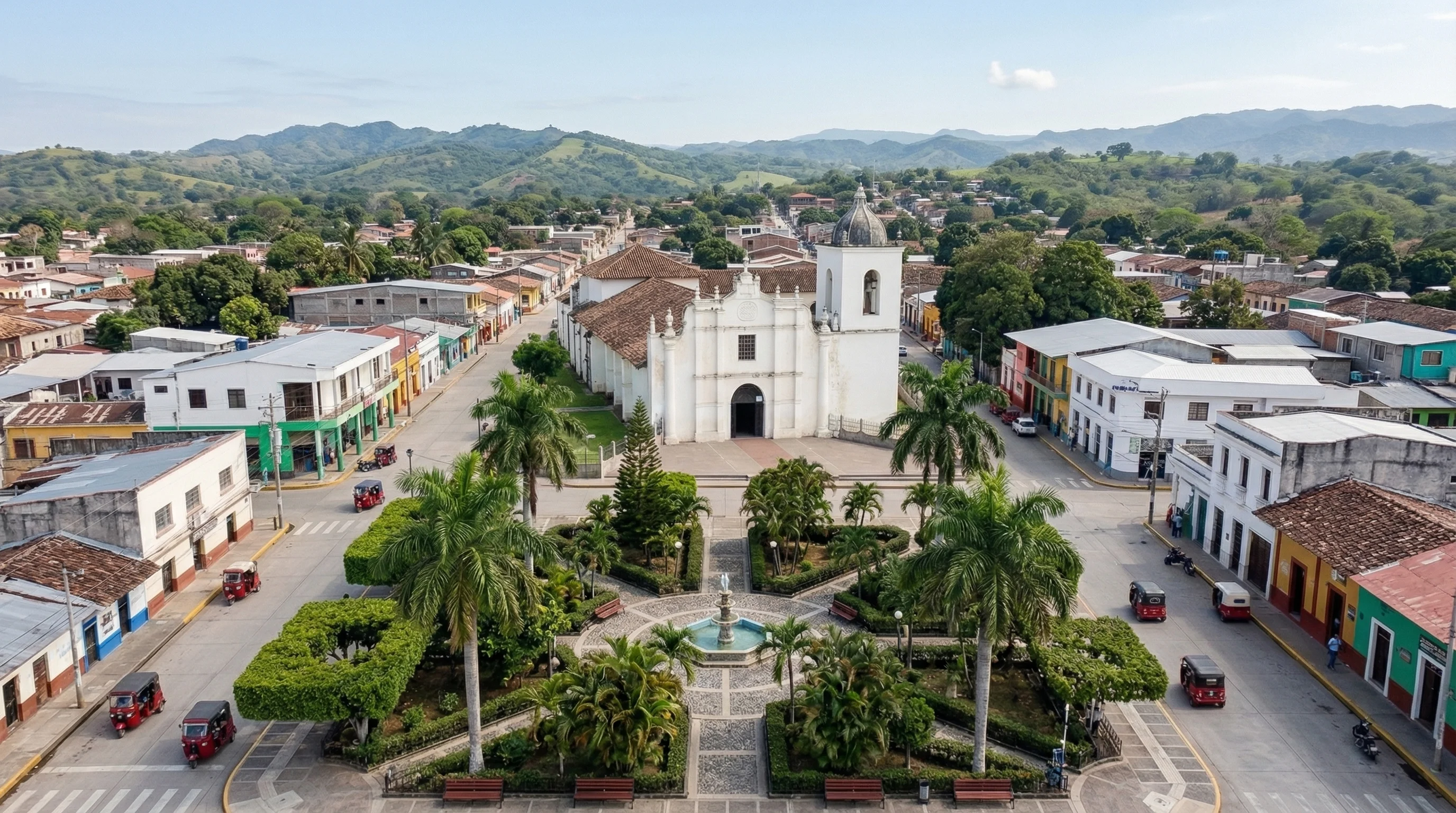
Somoto, located in Nicaragua's Madriz department, serves as a strategic gateway for Central American exports heading north. The city's location in northwestern Nicaragua positions it advantageously for accessing both Pacific and Atlantic trade routes, with proximity to major agricultural production zones in the region. Somoto's economy centers on agriculture, including coffee, tobacco, and various tropical crops, creating consistent freight volumes moving through local facilities and processing centers.
The transportation infrastructure supporting Somoto includes connections to Nicaragua's highway network, particularly routes leading to the Pan-American Highway. While the region's road infrastructure continues to develop, Somoto benefits from its position along established freight corridors that connect to major ports and border crossings. Local warehousing and consolidation facilities provide essential services for preparing cargo for cross-border transport, with options for both full truckload and specialized freight handling to meet diverse shipping requirements.
 Destination
El Paso
El Paso, Texas stands as a premier logistics hub in the southwestern United States, strategically positioned at the intersection of major interstate highways and international borders. The city's location along the U.S.-Mexico border, combined with its proximity to major markets in the western and central United States, makes it an ideal destination for cross-border freight. El Paso's economy thrives on international trade, manufacturing, and distribution, with numerous industrial parks and logistics centers supporting diverse business operations.
The transportation infrastructure in El Paso is exceptionally well-developed, featuring direct access to I-10, one of America's major east-west corridors, as well as connections to I-25 and other regional highways. The city hosts multiple major rail terminals and boasts extensive warehousing and distribution facilities capable of handling various cargo types. El Paso's border crossing infrastructure facilitates efficient customs processing, while its designation as a Foreign Trade Zone enhances its appeal for companies engaged in international commerce seeking streamlined import-export operations.










