
El Paso to Somoto
Somoto → El PasoFTL freight transportation service between El Paso and Somoto. Reliable logistics solutions for your business.
Route Description
Everything you need to know about the corridor El Paso - Somoto
The El Paso, Texas to Somoto, Madriz, Nicaragua corridor represents a vital cross-border logistics route connecting the industrial heart of the U.S.-Mexico border with the agricultural and commercial centers of Central America. This 2,871 km corridor traverses diverse terrain and crosses multiple international boundaries, making it essential for companies engaged in North-South trade. The route serves as a critical link between North American manufacturing and distribution networks and the growing markets of Central America.
The corridor's strategic importance stems from its connection between major industrial zones in El Paso and key agricultural and manufacturing regions in Nicaragua. Along this route, businesses can access major economic hubs including Monterrey, Mexico City, and San Salvador before reaching Somoto. The corridor facilitates the movement of diverse cargo types, from automotive parts and electronics to agricultural products and consumer goods, supporting the integrated supply chains of multinational companies operating in the region.
Transportation infrastructure along this corridor includes major highways such as Mexican Federal Highways 45 and 190, and the CA-1 Pan-American Highway through Central America. Key border crossings include El Paso-Juárez and various points along the Mexico-Guatemala border. Control Terrestre provides comprehensive FTL services along this corridor, managing the complexities of cross-border documentation, customs clearance, and regulatory compliance. Our experienced team ensures seamless cargo movement through multiple jurisdictions, offering door-to-door service that maintains cargo integrity throughout the entire journey from El Paso to Somoto.
Services for this Route
Available services for the corridor El Paso - Somoto
 Origin
El Paso
El Paso, Texas serves as a strategic logistics gateway on the U.S.-Mexico border, offering unparalleled access to both North American markets and Latin American trade routes. The city's location at the intersection of major interstate highways (I-10, US-54, and US-85) provides direct connections to national transportation networks. El Paso's economy is anchored by manufacturing, logistics, and international trade, with major industrial parks housing electronics, automotive, and aerospace industries. The city hosts several large distribution centers and is home to the second busiest border crossing in the United States, the El Paso-Juárez crossing, which processes billions of dollars in trade annually. The region's logistics infrastructure includes the El Paso International Airport, multiple rail terminals operated by Union Pacific and BNSF, and extensive warehousing facilities designed to handle cross-border freight efficiently.
 Destination
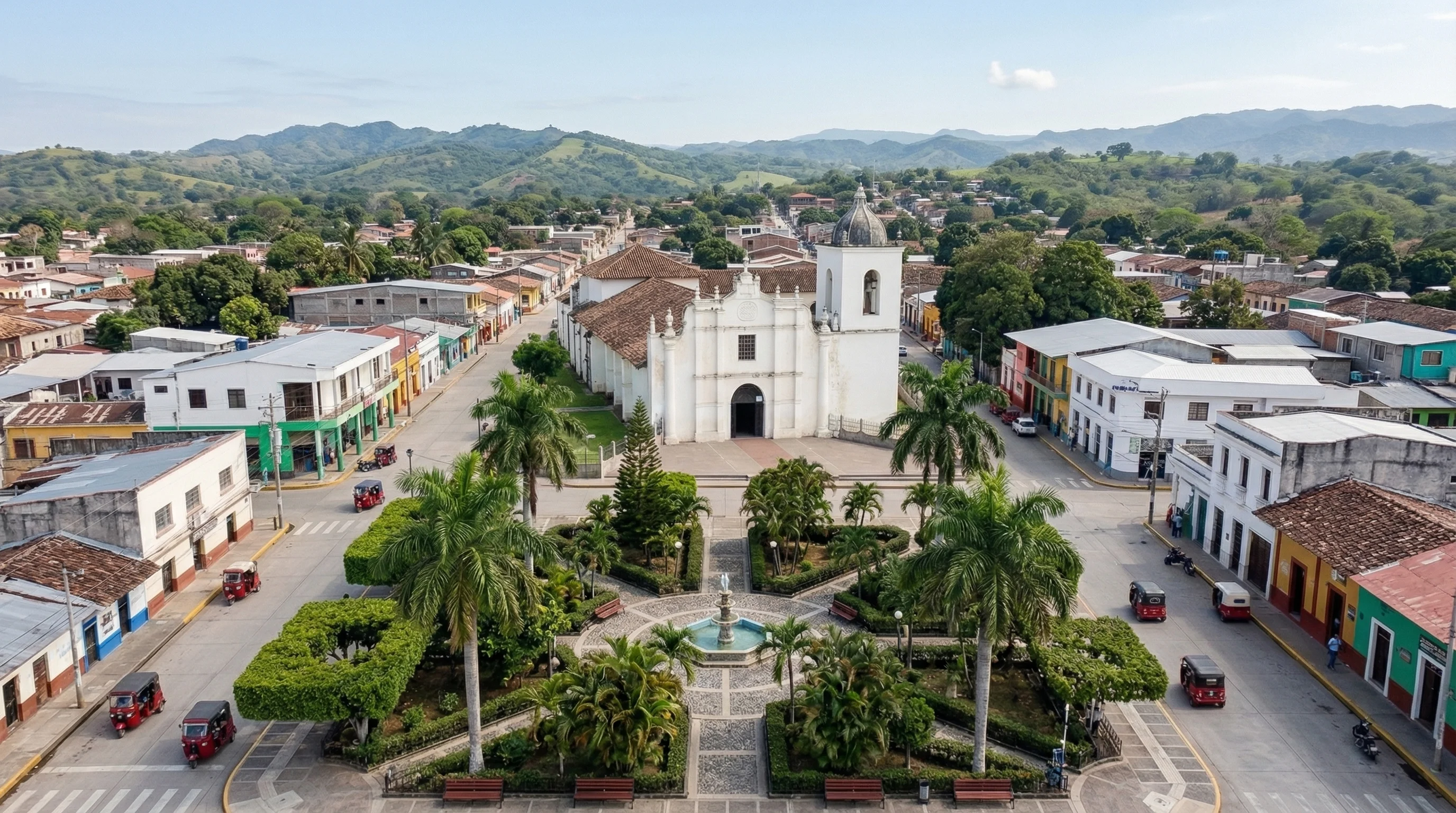
Somoto, located in the Madriz department of Nicaragua, serves as an important commercial and agricultural hub in northern Nicaragua. The city's strategic position near the Honduran border and along the Pan-American Highway makes it a crucial node for regional distribution. Somoto's economy is primarily based on agriculture, including tobacco, coffee, and dairy production, with growing commercial and light manufacturing sectors. The city benefits from its proximity to Managua and other major Nicaraguan cities, facilitating the distribution of goods throughout the country. Transportation infrastructure includes access to the CA-1 Pan-American Highway, which connects Somoto to the broader Central American road network. The region's developing logistics sector is supported by local warehousing facilities and distribution centers that serve both domestic and international trade, making Somoto an increasingly important destination for cross-border freight transportation.










