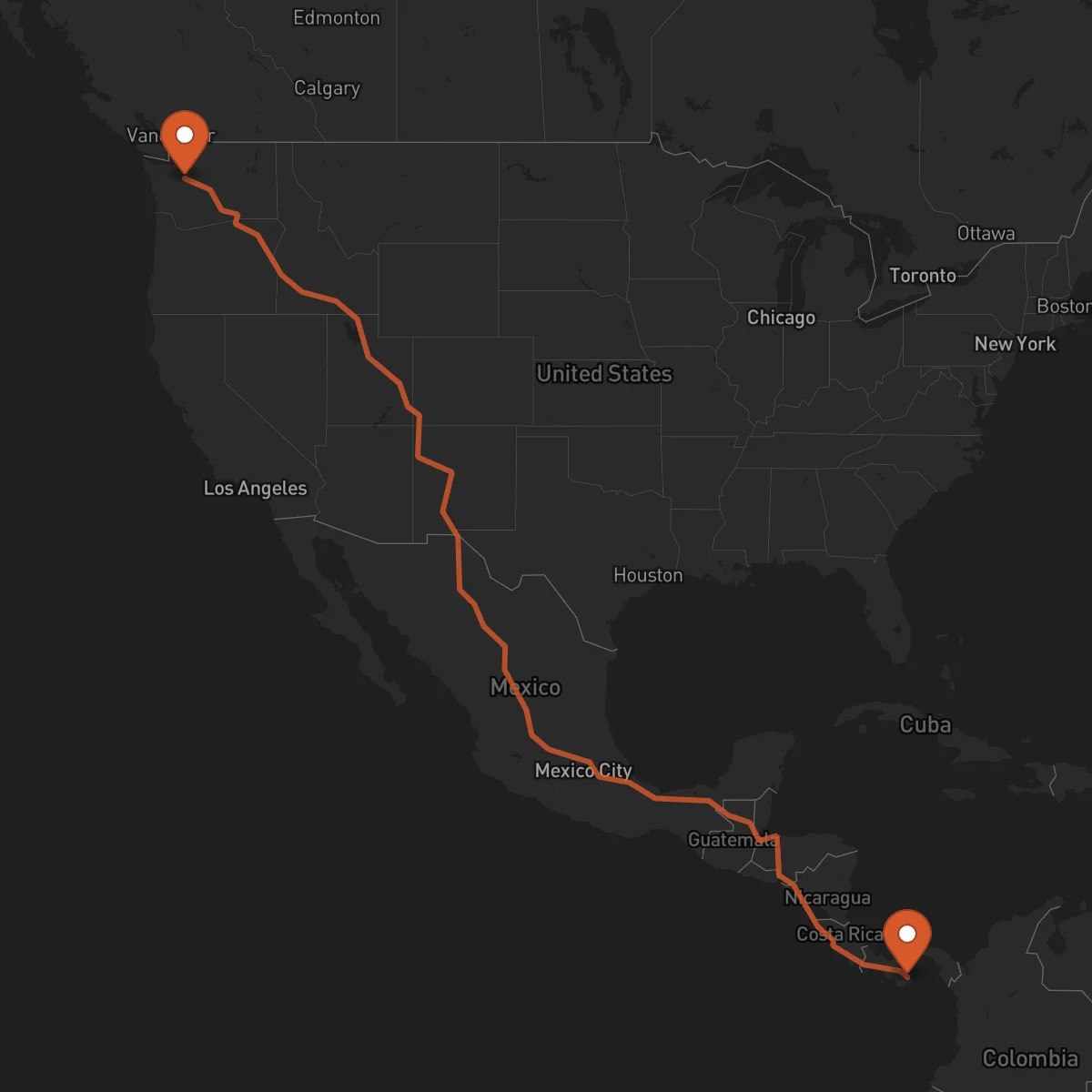
Seattle to Las Tablas
Las Tablas → SeattleFTL freight transportation service between Seattle and Las Tablas. Reliable logistics solutions for your business.
Route Description
Everything you need to know about the corridor Seattle - Las Tablas
The logistics corridor between Seattle, Washington, and Las Tablas, Los Santos, Panama, spans approximately 5,941 kilometers and represents a vital cross-border freight route connecting the Pacific Northwest of the United States to the heart of Panama's Azuero Peninsula. This corridor serves as a strategic link for companies seeking to move full truckload shipments across North and Central America, leveraging established highway networks and key border crossings to facilitate efficient cargo movement.
Seattle's position as a major Pacific gateway makes it an ideal origin point for freight destined for Central American markets. The region's robust industrial base, including technology, aerospace, and agricultural exports, generates consistent demand for reliable ground transportation solutions. From Seattle, freight travels south through major interstate corridors, passing through critical logistics hubs before reaching the U.S.-Mexico border. Key crossings such as Nogales and Laredo serve as primary entry points into Mexico, where cargo continues its journey through Mexican highway systems toward southern border crossings into Central America.
The final leg of the corridor traverses through Guatemala, Honduras, El Salvador, Nicaragua, Costa Rica, and into Panama, ultimately reaching Las Tablas in the Los Santos province. This region is known for its agricultural production, including rice, corn, and livestock, as well as growing tourism and construction sectors. The Pan-American Highway serves as the backbone infrastructure supporting freight movement along this route, though varying road conditions and customs procedures at each border require experienced coordination.
Control Terrestre facilitates operations on this corridor through our alliance of experienced transportation providers with established cross-border expertise. Our FTL services ensure dedicated equipment moves your cargo from origin to destination without consolidation, maintaining cargo integrity throughout the journey. We navigate the complexities of multiple customs jurisdictions, documentation requirements, and regulatory compliance across all countries along the route. With C-TPAT, FAST, and BASC certified providers in our network, we prioritize security and efficiency at every border crossing, helping your supply chain maintain momentum from Seattle to Las Tablas.
Services for this Route
Available services for the corridor Seattle - Las Tablas
 Origin
Seattle
Seattle, Washington, stands as one of the most strategic logistics hubs on the Pacific coast of the United States. Home to the Port of Seattle and Port of Tacoma, the region serves as a critical gateway for trade between North America and Asia, generating substantial freight volumes that extend beyond maritime operations into ground transportation networks. The city's diverse economy spans technology, aerospace manufacturing, agriculture, and retail sectors, all of which require reliable freight solutions to distribute products throughout the Americas. Major interstate highways including I-5 and I-90 provide excellent connectivity for trucking operations heading south toward Mexico and Central America. The region's well-developed warehousing and distribution infrastructure supports efficient cargo consolidation and dispatch for cross-border shipments.
 Destination
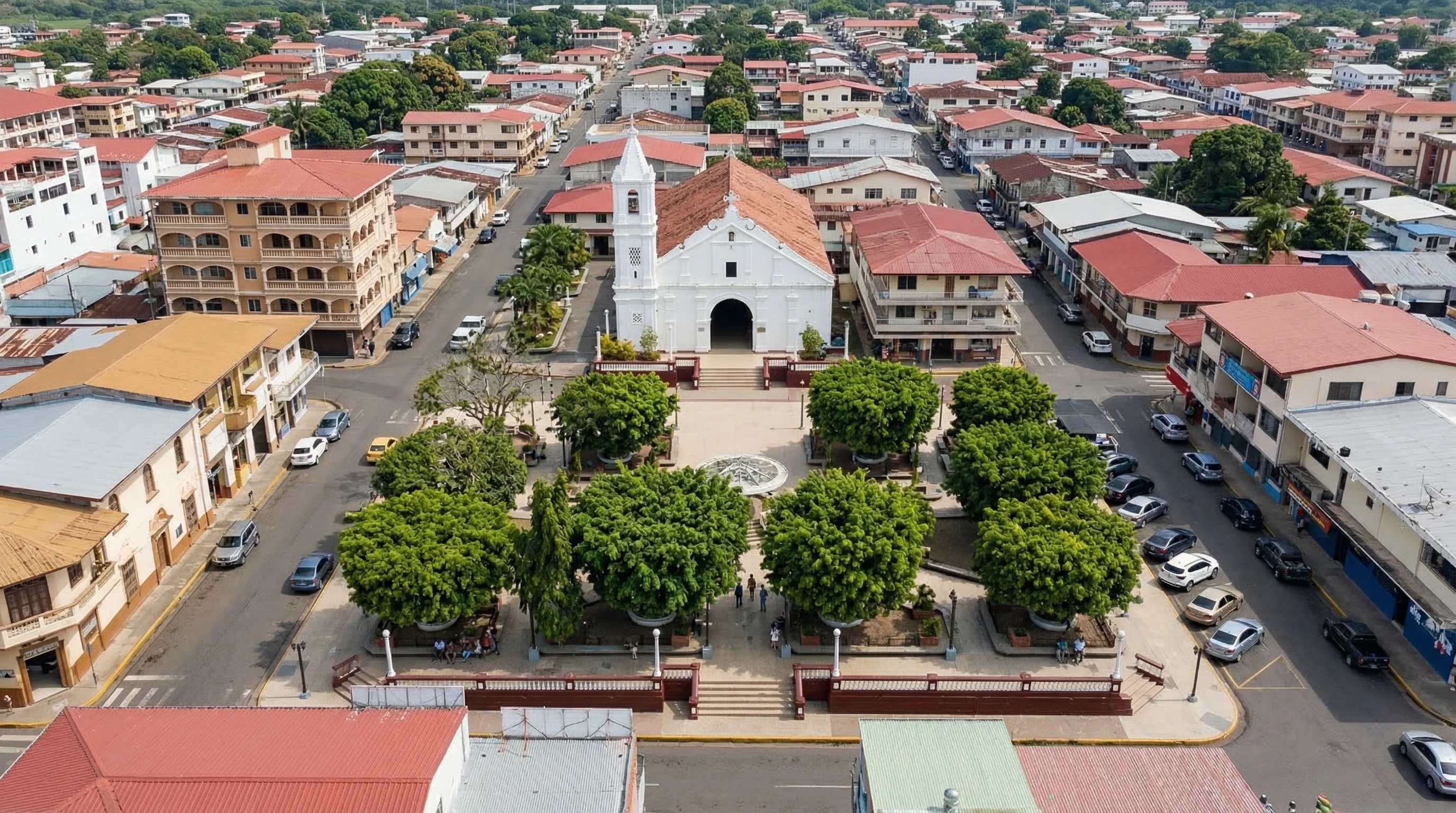
Las Tablas
Las Tablas, located in the Los Santos province of Panama's Azuero Peninsula, serves as an important regional center for agricultural production and commerce. The area is known for its rice cultivation, cattle ranching, and traditional crafts, with growing economic activity in tourism and construction sectors. While not a major metropolitan logistics hub, Las Tablas benefits from its connection to the Pan-American Highway system, which enables freight access to and from Panama City and other key distribution points. The region's developing infrastructure supports the movement of goods throughout the Azuero Peninsula, making it accessible for full truckload deliveries from international origins. Local industries rely on efficient transportation links to receive supplies and equipment necessary for continued economic growth.










