Seattle to Jalapa
Jalapa → SeattleFTL freight transportation service between Seattle and Jalapa. Reliable logistics solutions for your business.
Route Description
Everything you need to know about the corridor Seattle - Jalapa
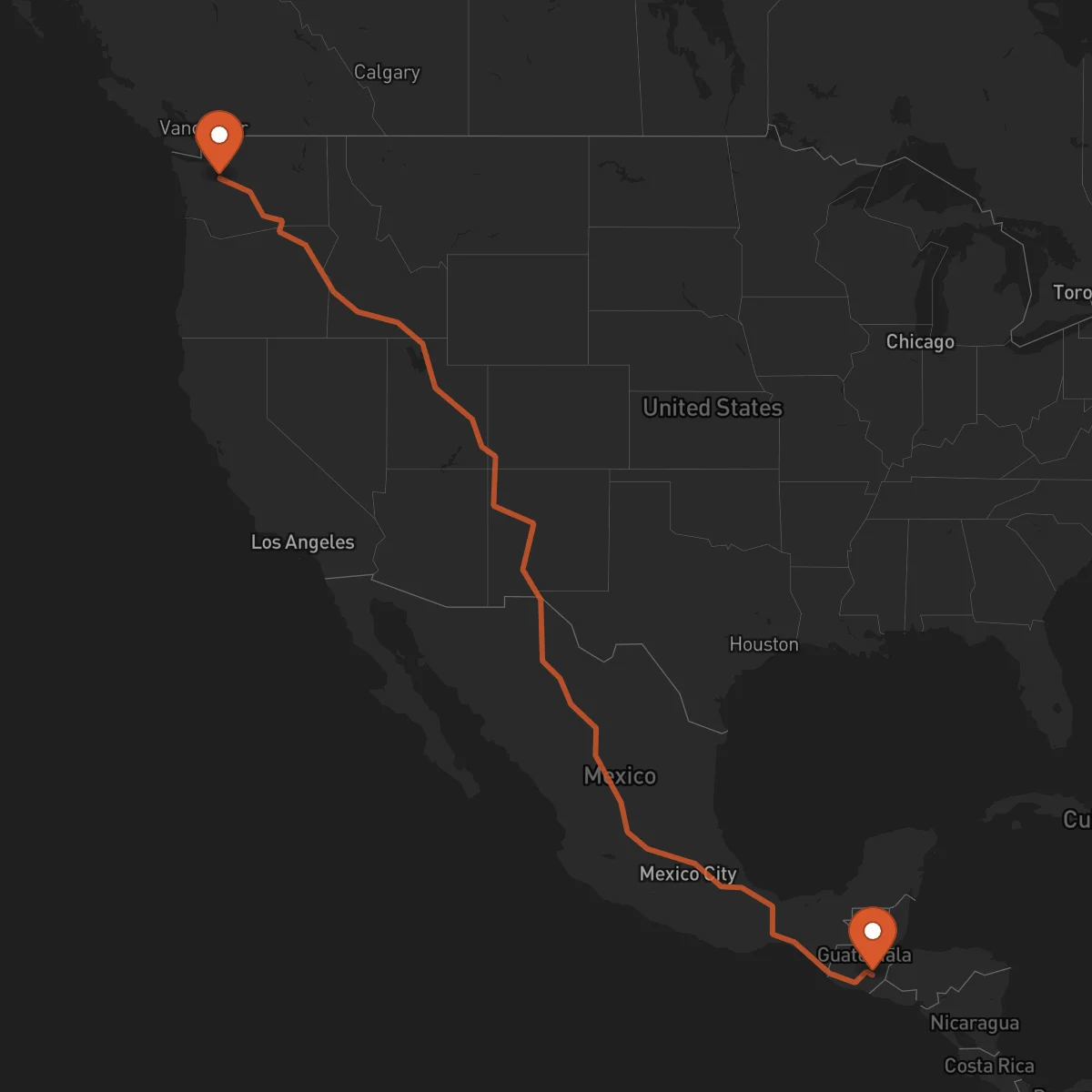
The Seattle to Jalapa corridor represents a vital North-South logistics artery connecting the Pacific Northwest of the United States with the heart of Central America. This strategic route spans approximately 4,721 km, facilitating essential trade flows between two economically dynamic regions. It serves as a critical conduit for moving goods from the industrial and agricultural hubs of Washington State to the growing consumer and production markets of Guatemala, supporting integrated supply chains across multiple borders. The corridor's importance is magnified by its role in linking major U.S. export zones with Central American import needs, underpinning sectors from technology and agriculture to manufactured goods. Our operations on this corridor are designed to navigate its complexity, providing a seamless bridge for full truckload (FTL) cargo. We leverage our alliance of certified transportation providers to manage the entire journey, from pickup in Seattle to final delivery in Jalapa, ensuring reliability through expertise in cross-border regulations and customs procedures. The primary transportation infrastructure follows a southward trajectory: south on I-5 through Washington and California, transitioning onto Mexican Federal Highways 15, 57, and 190. The journey continues through Mexico's core and southern states, crossing into Guatemala via the official border point at Ciudad Hidalgo / Talisman. Key considerations include compliance with U.S., Mexican, and Guatemalan customs frameworks. Our providers hold essential certifications like C-TPAT, FAST, and BASC, which streamline security processes and reduce clearance times at the U.S.-Mexico border. For the Mexico-Guatemala segment, we ensure all documentation and carrier credentials meet regional requirements. Control Terrestre facilitates this corridor by offering a single point of contact for the entire跨国 journey. We coordinate dedicated, expedited, or specialized FTL services—including for refrigerated or oversized cargo—managing the handoffs between our vetted partners. This integrated approach provides visibility and control, transforming a multi-country transit into a manageable, efficient solution for shippers requiring robust, door-to-door freight transport between these key economic zones.
Services for this Route
Available services for the corridor Seattle - Jalapa
 Origin
Seattle
Seattle, Washington, serves as a premier strategic logistics origin point for North American and trans-Pacific trade. Its location provides unmatched access to Asian markets via the Port of Seattle, one of the nation's top container ports, while also being a major domestic distribution hub for the Pacific Northwest. The region's economy is powered by world-leading industries: technology (home to Amazon and Microsoft), aerospace manufacturing (Boeing's primary assembly lines), and a significant agricultural sector renowned for apples, cherries, wine, and seafood. This economic diversity generates a constant flow of outbound freight requiring reliable long-haul transportation. The available transportation infrastructure is exceptional and multi-modal. The city is the western terminus of Interstate 90 and a major node on Interstate 5, the critical north-south artery for the West Coast. A dense network of state highways and rail lines connects the industrial parks, manufacturing facilities, and agricultural valleys directly to these interstates. Seattle-Tacoma International Airport also handles significant air cargo, which often feeds into the ground network for final distribution. For a freight forwarder, Seattle offers a concentrated source of high-value, time-sensitive, and bulk manufactured goods, as well as perishable agricultural products, all demanding efficient FTL solutions to begin their journey south.
 Destination
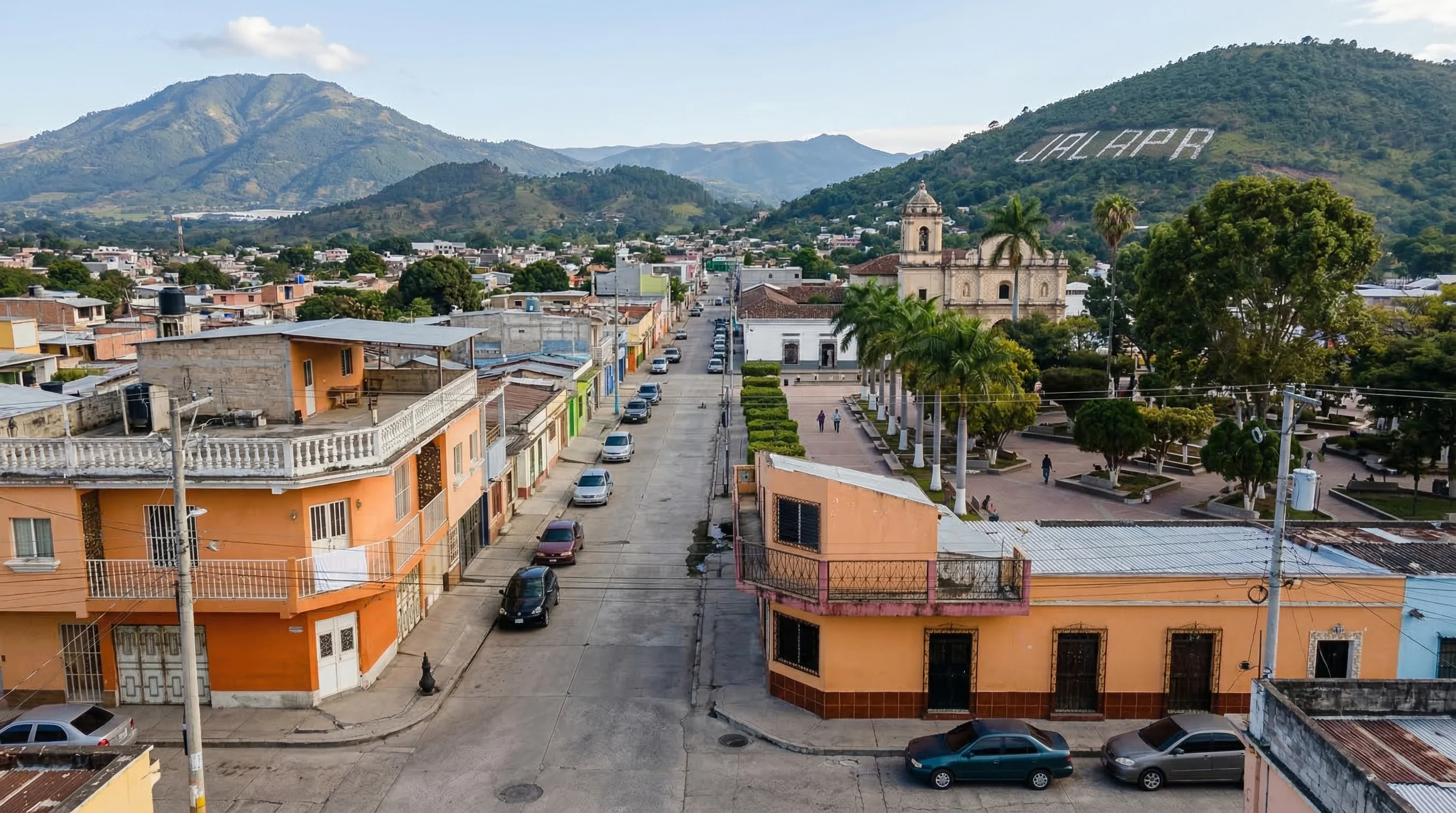
Jalapa, the capital city of the department of Jalapa in southeastern Guatemala, is a strategically important logistics destination within Central America. It functions as a key agricultural, commercial, and transportation hub for the region. The surrounding Jalapa valley is a fertile agricultural heartland, producing a significant portion of Guatemala's coffee, sugarcane, vegetables, and tropical fruits for both domestic consumption and export. The city itself is a center for food processing and light manufacturing, including textiles and leather goods, which depend on inbound raw materials and outbound finished product distribution. Its location provides a natural gateway, sitting along the crucial Central American highway corridor that connects Guatemala City to the borders with El Salvador and Honduras. The available transportation infrastructure is anchored by the CA-1 highway (part of the Pan-American Highway system), which runs through Jalapa, providing the main paved road link north to Guatemala City and south to the border crossings. This highway is vital for moving goods to and from the major port of Puerto Quetzal on the Pacific coast, which handles the bulk of Guatemala's international maritime trade. While the local road network serves the agricultural plains, the primary freight value lies in Jalapa's position on this transnational route. It acts as a consolidation and distribution point for goods destined for eastern Guatemala and as a transit node for cargo moving further into Central America, making it a consistent source of demand for reliable, long-distance FTL services from North America.










