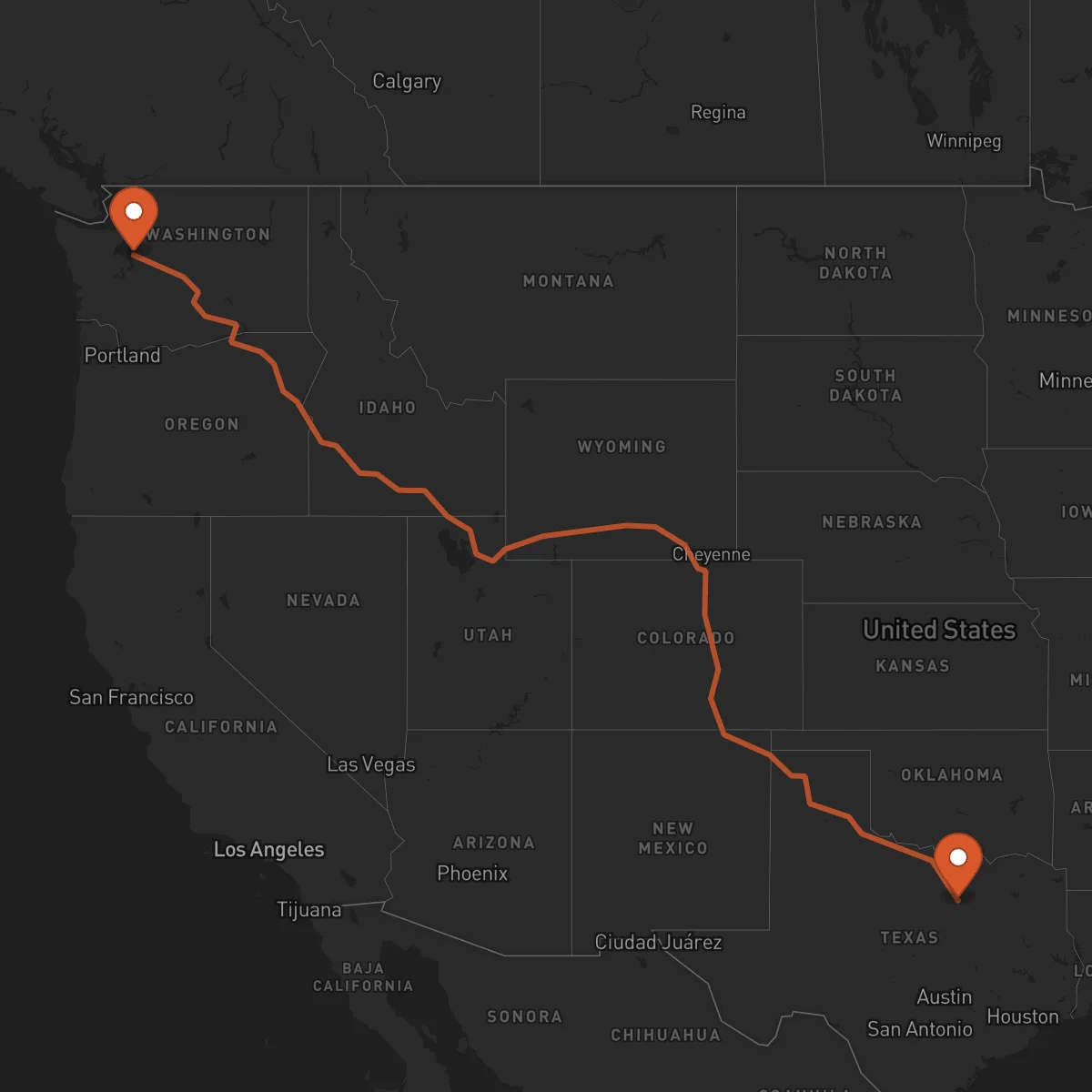
Seattle to Fort Worth
Fort Worth → SeattleFTL freight transportation service between Seattle and Fort Worth. Reliable logistics solutions for your business.
Route Description
Everything you need to know about the corridor Seattle - Fort Worth
The logistics corridor between Seattle, Washington and Fort Worth, Texas represents one of the most important freight transportation routes in the United States, covering approximately 2,670 kilometers through the heart of the country. This strategic route connects the Pacific Northwest with the central region of Texas, facilitating the flow of goods between two major economic hubs. The corridor traverses diverse terrain and crosses multiple states, making it a vital artery for national commerce.
This route serves a wide range of industries that drive the American economy. From Seattle's technology and aerospace sector to Fort Worth's manufacturing and logistics industries, the corridor supports the movement of everything from high-tech equipment to industrial machinery and consumer goods. The region's economic diversity creates consistent demand for reliable freight transportation services, particularly for full truckload (FTL) shipments that require dedicated capacity and specialized handling.
Major transportation infrastructure along this corridor includes Interstate 90 and Interstate 84 heading east from Seattle, connecting to Interstate 35 South toward Fort Worth. These highways provide efficient connectivity and are maintained to high standards, ensuring reliable transit times. Control Terrestre leverages this infrastructure through our network of certified transportation providers, offering seamless door-to-door service that optimizes routes and ensures cargo security throughout the journey. Our expertise in managing long-haul domestic shipments makes us the ideal partner for companies requiring consistent, high-quality transportation between these key markets.
Services for this Route
Available services for the corridor Seattle - Fort Worth
 Origin
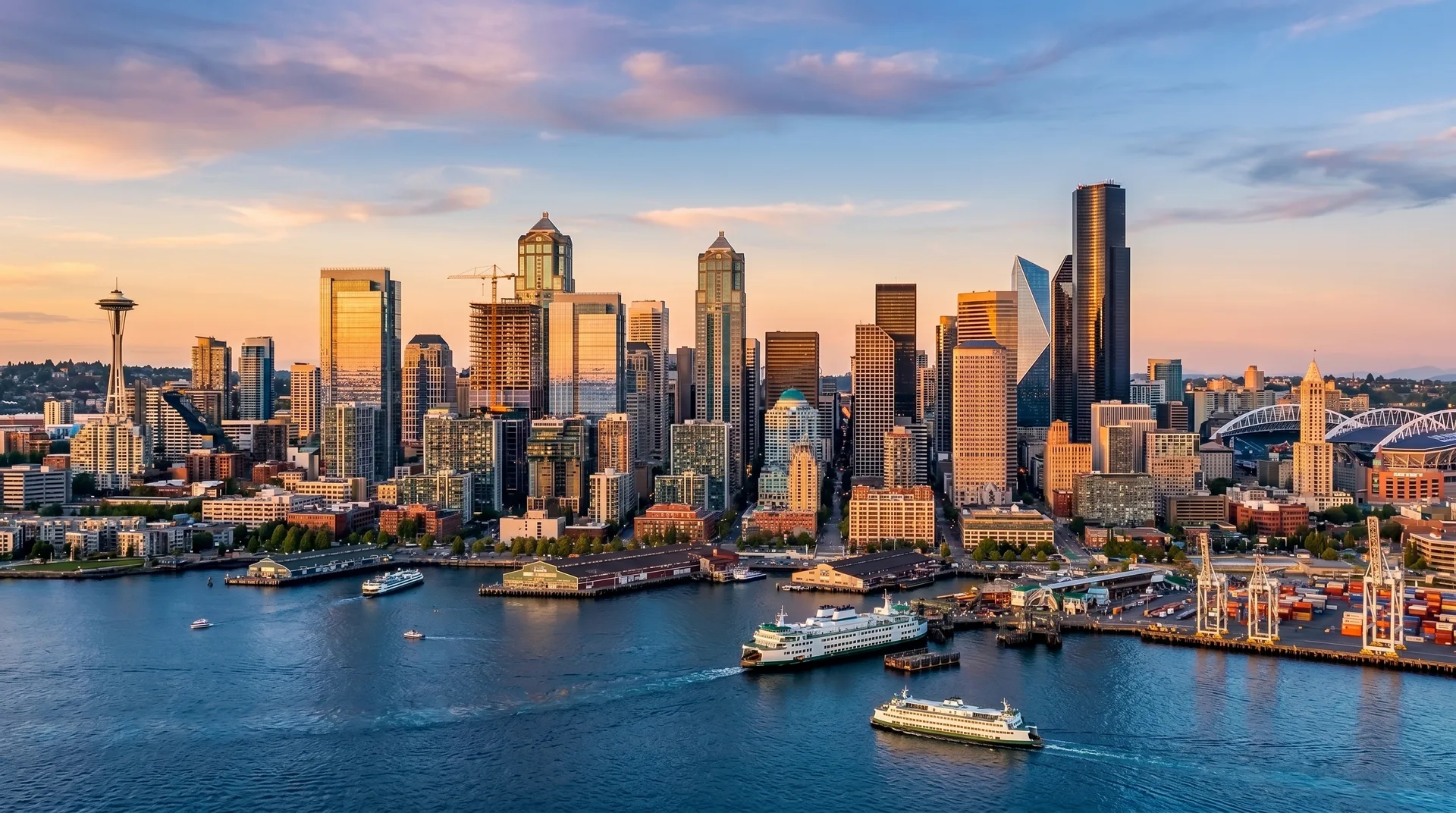
Seattle
Seattle, Washington serves as a strategic gateway to the Pacific Northwest, offering exceptional logistics advantages for freight transportation. Located on the shores of Puget Sound with direct access to the Pacific Ocean, Seattle combines maritime, air, and ground transportation infrastructure in a single location. The city is home to the Port of Seattle, one of the busiest container ports on the West Coast, and Seattle-Tacoma International Airport, providing multimodal connectivity for diverse cargo needs.
The region's economy is driven by technology, aerospace, and advanced manufacturing sectors. Companies like Boeing, Microsoft, and Amazon have established major operations in the area, creating substantial demand for freight transportation services. Seattle's industrial base requires reliable logistics solutions for moving everything from aircraft components to high-tech electronics and e-commerce goods. The city's strategic position makes it an ideal origin point for shipments heading to all points across North America, with excellent highway connections including Interstate 5 and Interstate 90 providing direct access to national freight networks.
 Destination
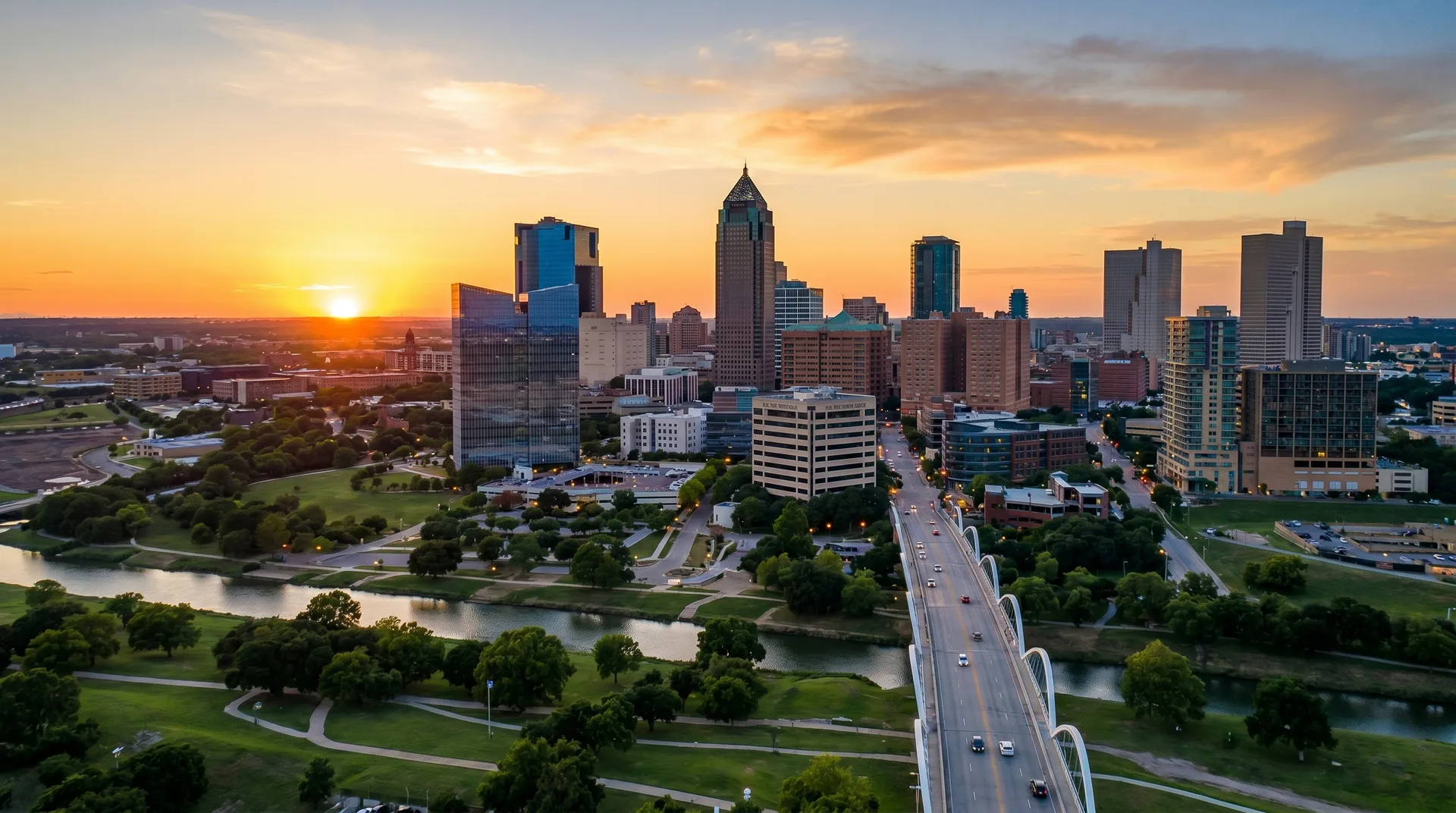
Fort Worth
Fort Worth, Texas stands as a major logistics and industrial hub in the central United States, offering strategic advantages for freight distribution. Located in the Dallas-Fort Worth metroplex, the city benefits from its central geographic position, providing excellent access to major markets across the southern and central regions of the country. The area is served by multiple interstate highways, including Interstate 35, Interstate 30, and Interstate 20, creating a robust ground transportation network.
The region's economy is diverse, with strong presence in manufacturing, aerospace, logistics, and energy sectors. Fort Worth is home to major corporations and industrial facilities that require consistent freight transportation services. The city's logistics infrastructure includes AllianceTexas, one of the largest inland ports in the United States, featuring extensive rail connections and warehousing facilities. This makes Fort Worth not just a destination but also a distribution point for goods moving throughout the southern United States. The area's business-friendly environment and strategic location continue to attract companies that depend on reliable freight transportation to support their operations.










