Seattle to Montreal
Montreal → SeattleFTL freight transportation service between Seattle and Montreal. Reliable logistics solutions for your business.
Route Description
Everything you need to know about the corridor Seattle - Montreal
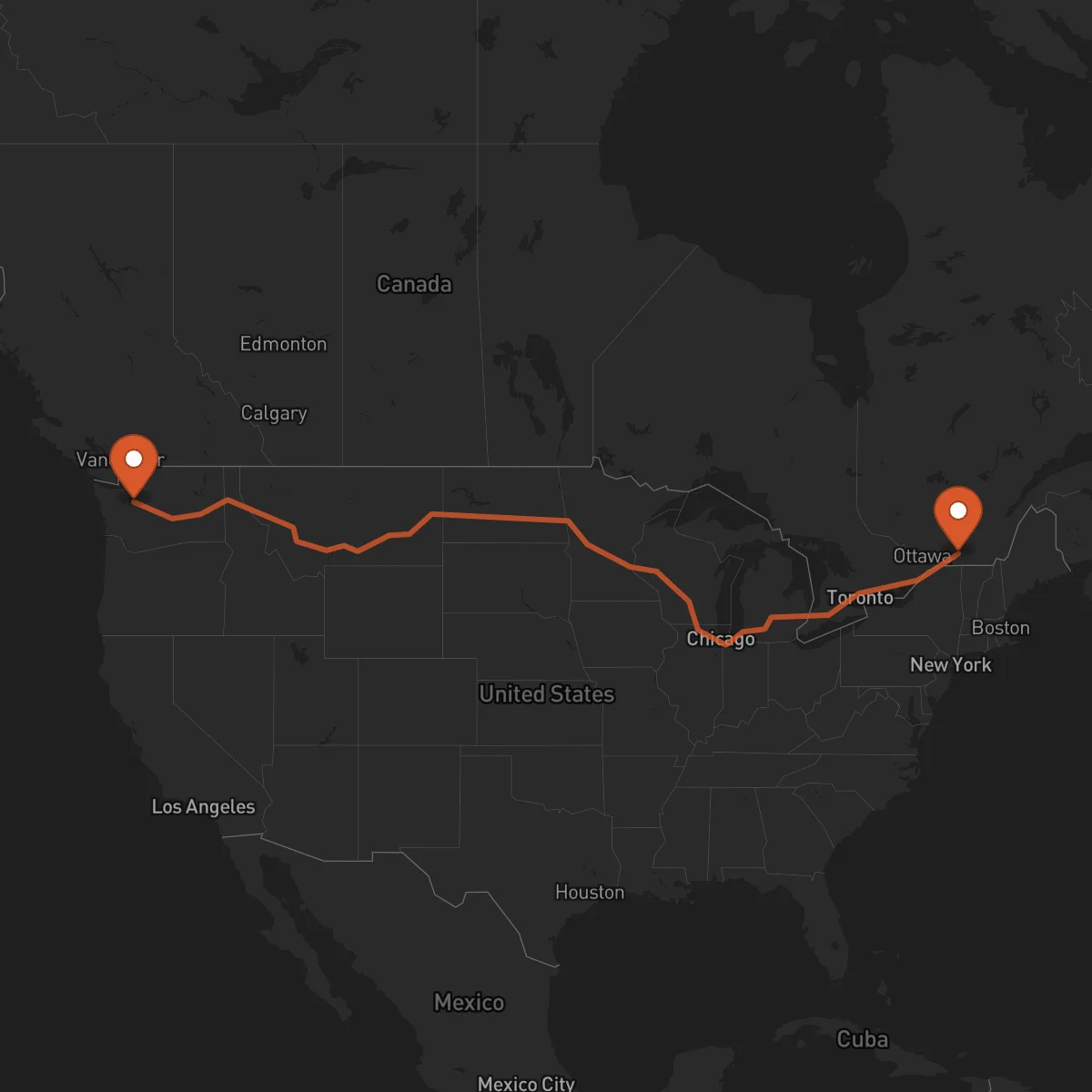
The Seattle-Montreal corridor represents one of the most important cross-border freight transportation routes in North America, connecting the Pacific Northwest with the economic heart of Quebec. This 3,674 km journey traverses diverse landscapes and crosses multiple state and provincial lines, making it a strategic link for companies operating between the United States and Canada.
The corridor passes through major economic centers including Spokane, Minneapolis, and Ottawa, connecting key industrial regions. This route serves as a vital artery for commerce between two of North America's most dynamic economies, facilitating the movement of goods between the Port of Seattle and the Port of Montreal, two of the continent's most important maritime gateways.
Major industries utilizing this corridor include technology and aerospace from the Seattle area, agricultural products from the Midwest, and manufacturing goods destined for Quebec's industrial centers. The route primarily follows Interstate 90 and Interstate 94 through the United States before transitioning to Canadian highways, offering reliable transportation infrastructure for freight movement.
Control Terrestre facilitates seamless operations on this corridor through our network of certified carriers and our expertise in cross-border logistics. We navigate the complexities of customs procedures, ensuring efficient border crossings at key points such as the Peace Arch and various northern entry points. Our dedicated services and specialized equipment options ensure that your cargo moves efficiently and securely from origin to destination, regardless of the challenges presented by this extensive cross-border route.
Services for this Route
Available services for the corridor Seattle - Montreal
 Origin
Seattle
Seattle serves as a strategic logistics hub on the West Coast, offering exceptional connectivity through its port facilities, international airport, and extensive highway network. The city's location provides direct access to Asian markets via the Port of Seattle, making it a critical entry point for goods entering North America. Seattle's robust transportation infrastructure includes Interstate 5 running north-south and Interstate 90 heading east, providing multiple routing options for freight movement.
The region is home to major technology companies, aerospace manufacturing (including Boeing), and a thriving maritime industry. These sectors generate substantial freight volume, particularly in specialized and high-value cargo. Seattle's proximity to major distribution centers and its role as a gateway to Alaska also contribute to its significance in the North American logistics network.
 Destination
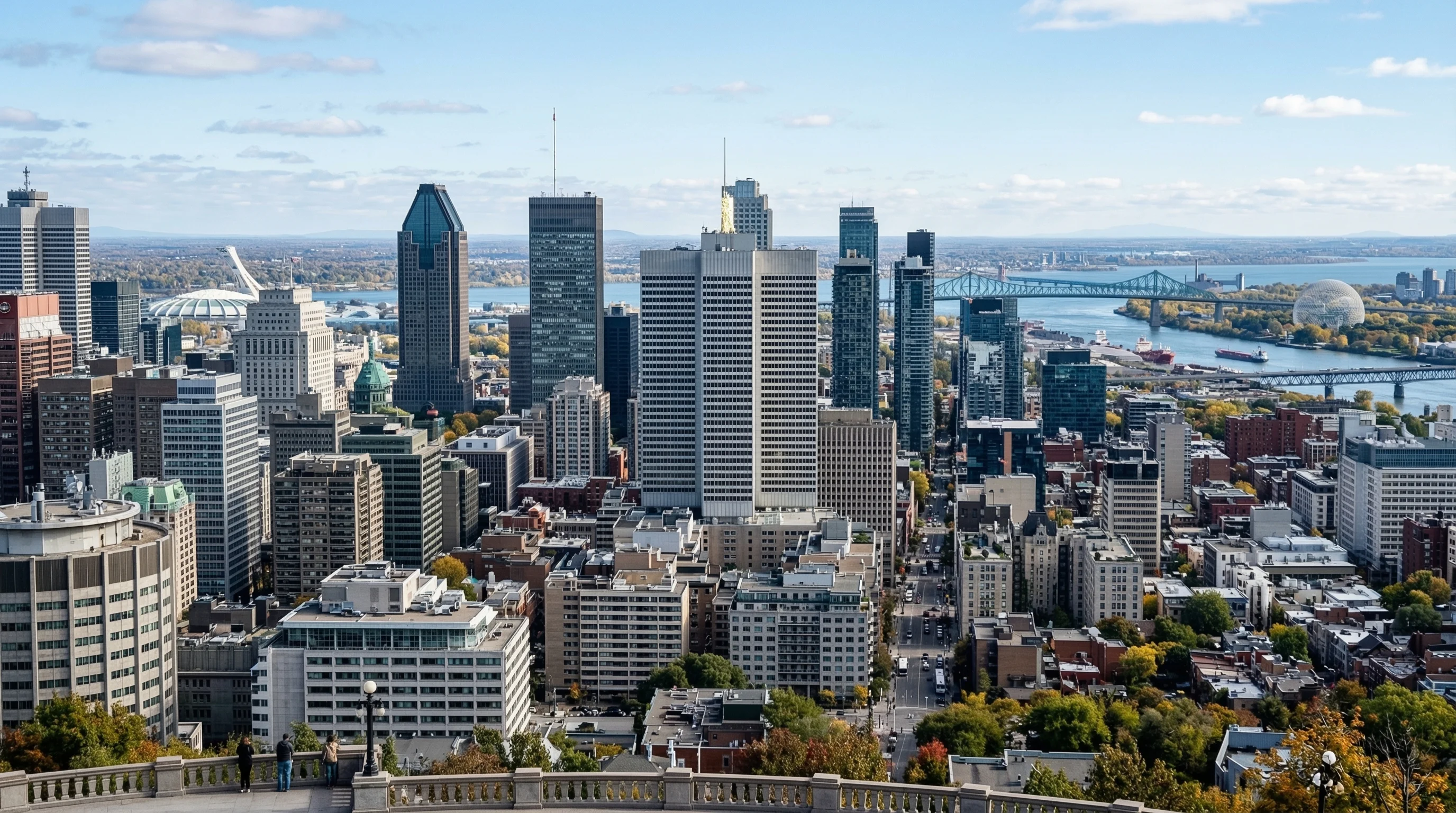
Montreal stands as a pivotal logistics center in eastern Canada, strategically positioned at the confluence of major transportation routes. The city's Port of Montreal is one of the largest inland ports in the world, providing direct access to the Atlantic via the St. Lawrence Seaway. Montreal's extensive transportation network includes multiple interstate highways, a major international airport, and rail connections that link to both Canadian and U.S. markets.
The Montreal metropolitan area is a powerhouse of economic activity, with strong sectors in aerospace, pharmaceuticals, technology, and advanced manufacturing. The region's industrial base creates consistent demand for reliable freight transportation services. Montreal's bilingual workforce and its status as a major distribution center for Quebec and Atlantic Canada make it an essential destination for cross-border freight movements.










