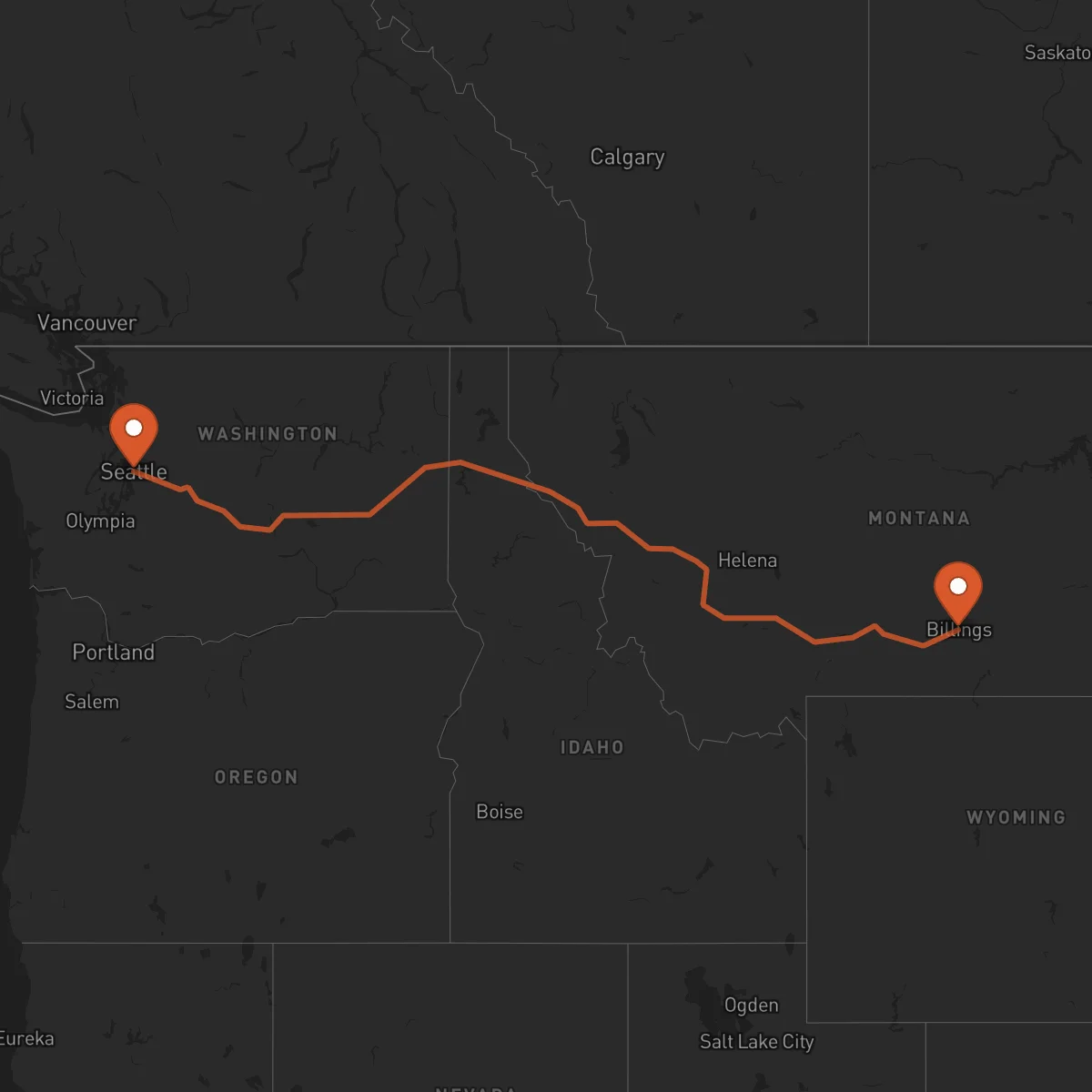
Seattle to Billings
Billings → SeattleFTL freight transportation service between Seattle and Billings. Reliable logistics solutions for your business.
Route Description
Everything you need to know about the corridor Seattle - Billings
The Seattle-Billings corridor represents a vital logistics link connecting the Pacific Northwest with the Northern Rockies. This 1072 km domestic route traverses Washington, Idaho, and Montana, linking Seattle's major port facilities with Billings' position as a regional distribution hub. The corridor facilitates the movement of goods between two economically significant regions, supporting industries from technology to agriculture.
The route primarily follows Interstate 90, a major east-west artery that provides reliable year-round transportation. This infrastructure connects key economic centers, enabling efficient freight movement across diverse terrain including the Cascade Mountains and the Montana plains. The corridor serves as a critical supply chain link for businesses operating between the Seattle metropolitan area and the interior Northwest.
Major industries utilizing this corridor include technology and aerospace (originating from Seattle's industrial base), agricultural products from Eastern Washington, and energy-related materials serving Montana's oil and coal sectors. Manufacturing companies in both regions rely on this route for just-in-time inventory management and distribution. The corridor also supports the movement of retail goods, construction materials, and specialized equipment between these markets.
Control Terrestre provides comprehensive FTL transportation services along this corridor, offering dedicated truckload solutions for businesses requiring reliable freight movement. Our strategic partnerships with certified carriers ensure consistent service quality and capacity availability. We understand the unique requirements of cross-state shipping, including regulatory compliance and seasonal weather considerations, allowing us to deliver tailored transportation solutions for your specific cargo needs.
Services for this Route
Available services for the corridor Seattle - Billings
 Origin
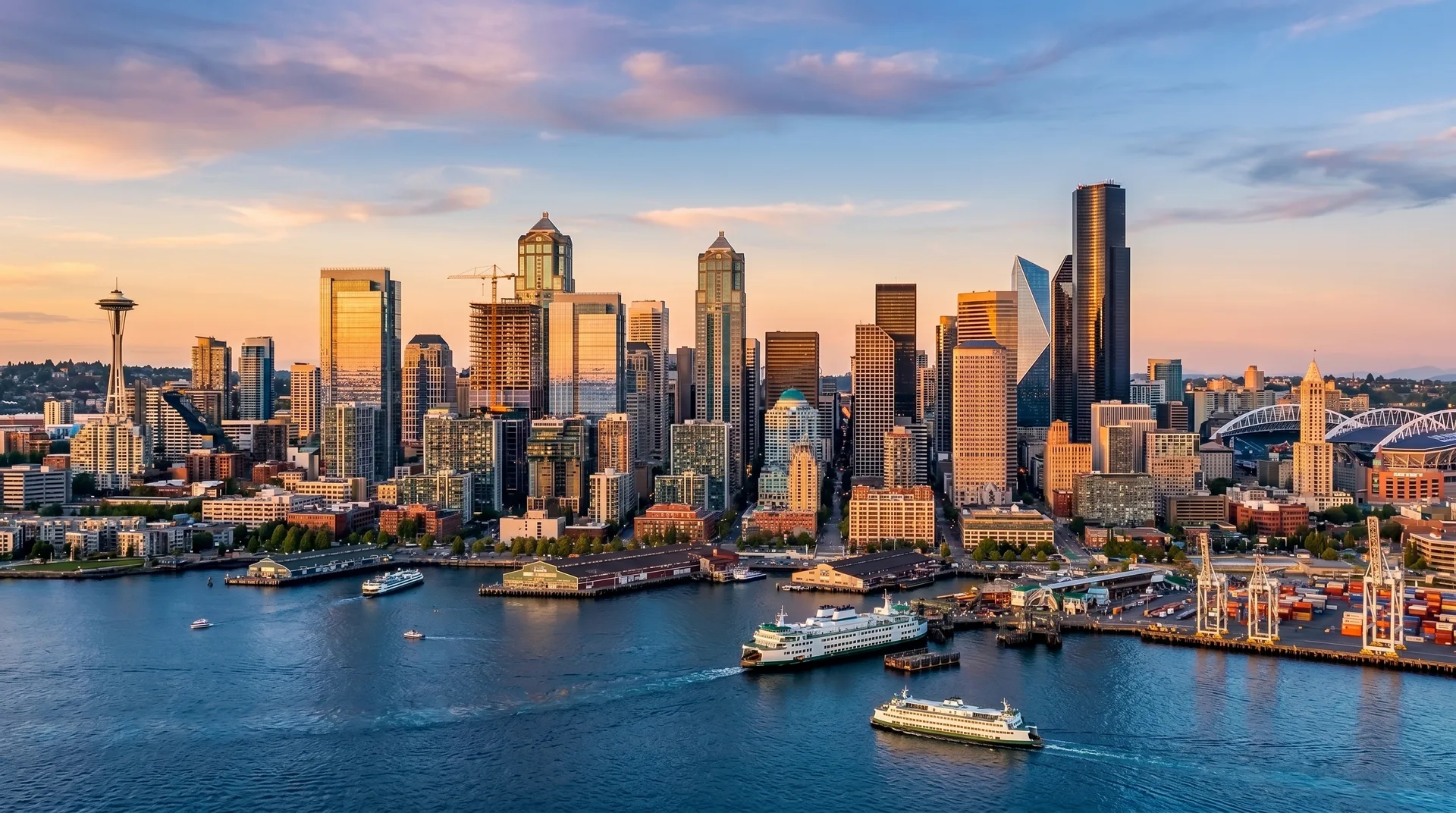
Seattle
Seattle, Washington serves as a major logistics hub on the West Coast, strategically positioned with access to the Port of Seattle and proximity to the Port of Tacoma. The city's location provides direct connections to international shipping routes and major interstate highways, including I-5 and I-90. Seattle's transportation infrastructure includes Sea-Tac International Airport, extensive rail networks operated by BNSF and Union Pacific, and a comprehensive highway system that facilitates efficient cargo movement throughout the region.
The Seattle metropolitan area is home to diverse economic sectors including technology, aerospace, healthcare, and manufacturing. Major employers such as Boeing, Microsoft, and Amazon create substantial freight transportation demand. The region's robust industrial base generates consistent cargo volumes, particularly in specialized equipment, electronics, and high-value manufactured goods. Seattle's position as a gateway for Asian trade also influences freight patterns, with significant volumes of imported goods requiring inland distribution.
 Destination
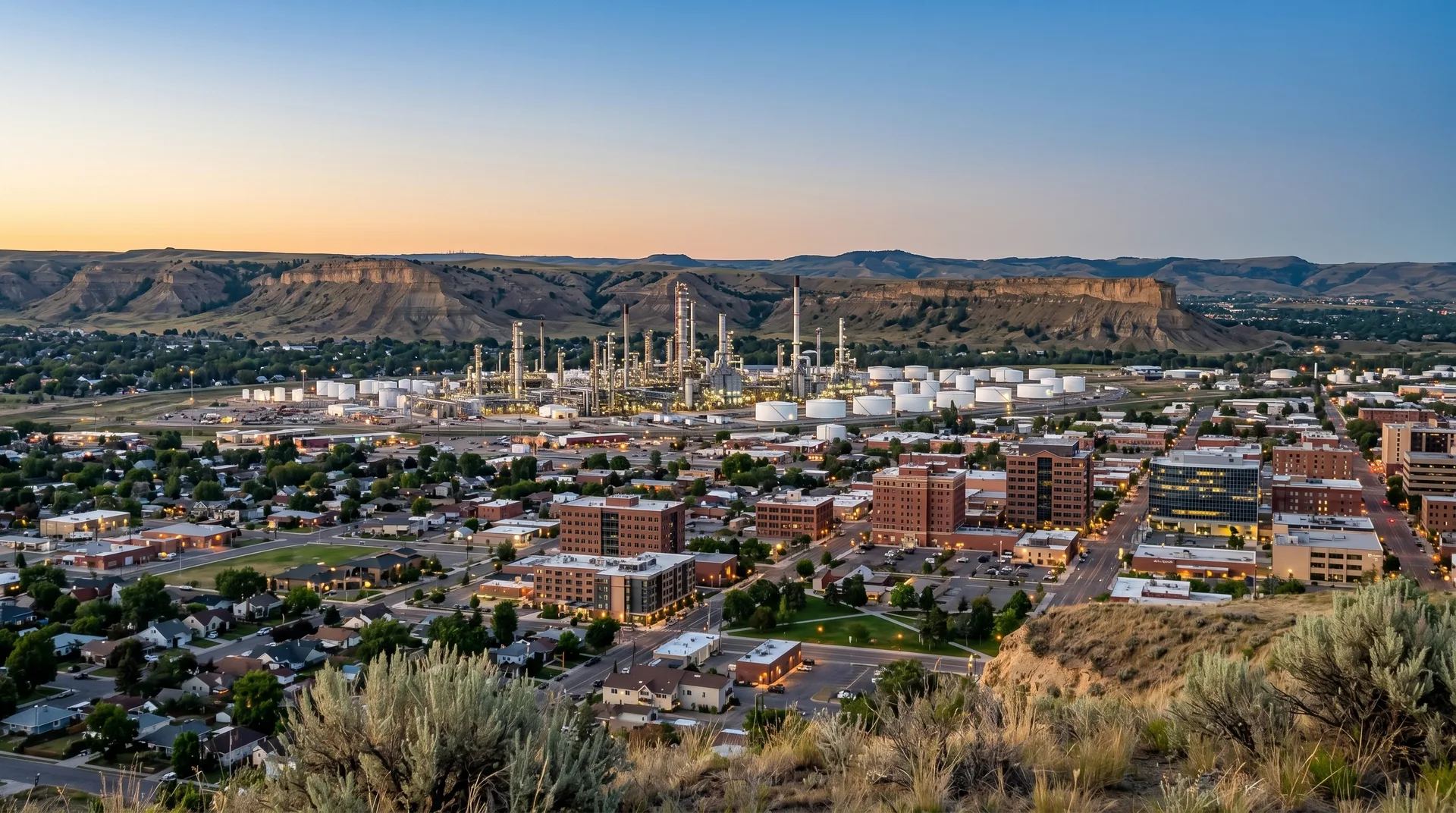
Billings
Billings, Montana functions as a crucial distribution center for the Northern Rockies region, serving as the largest city in Montana and a key logistics hub for the surrounding five-state area. The city's strategic location at the intersection of I-90 and I-94 provides excellent connectivity for freight movement across the Mountain West. Billings Logan International Airport and the Billings rail yard operated by BNSF Railway complement the road network, creating a multimodal transportation environment.
The Billings economy centers on energy production, agriculture, healthcare, and retail distribution. The region's oil fields in the Bakken formation and nearby coal reserves generate substantial freight volumes for specialized equipment and materials. Agricultural products from Montana's extensive farming regions flow through Billings for processing and distribution. The city's role as a regional commercial center creates consistent demand for inbound consumer goods and outbound raw materials, making it a critical node in the Northern Plains supply chain.










