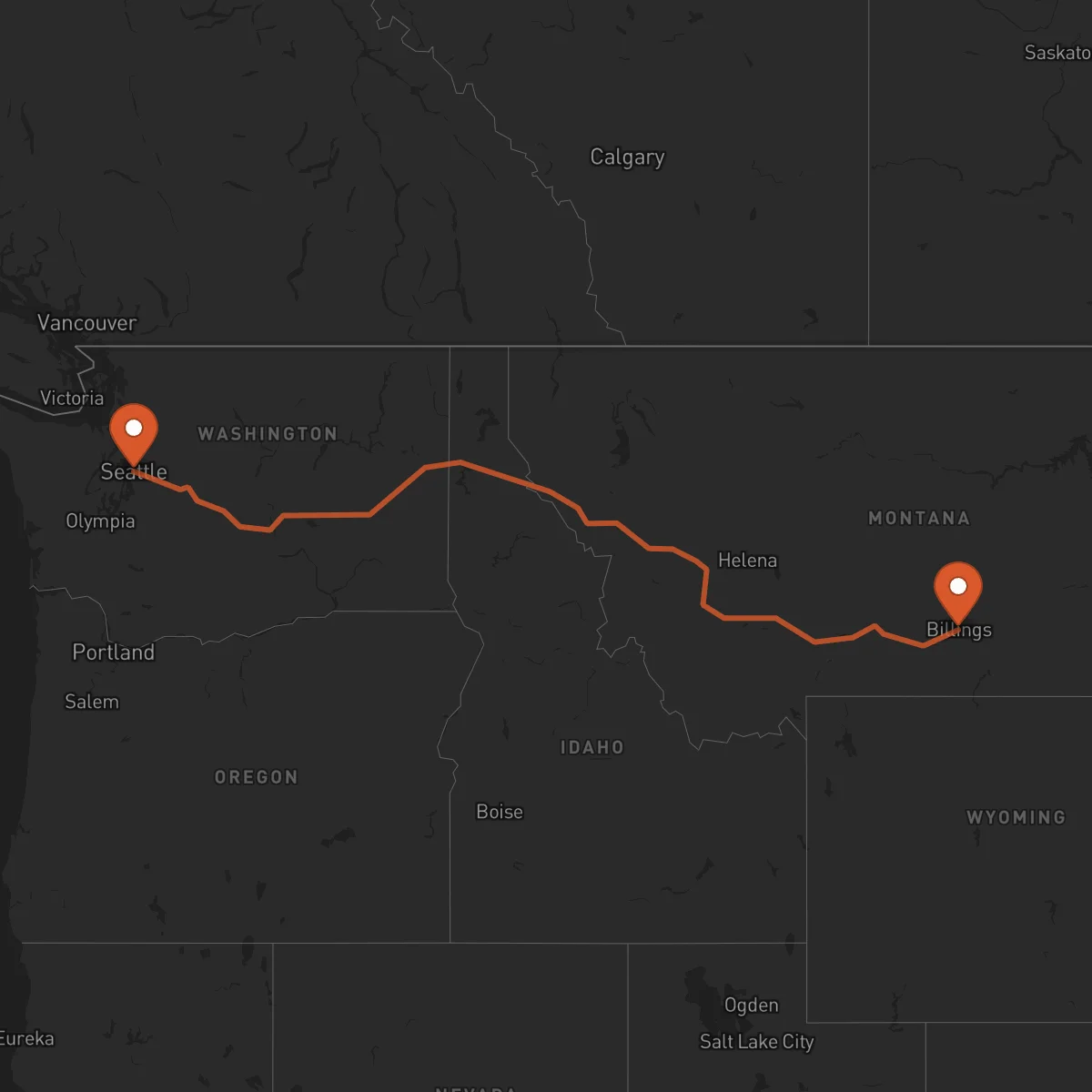
Billings to Seattle
Seattle → BillingsFTL freight transportation service between Billings and Seattle. Reliable logistics solutions for your business.
Route Description
Everything you need to know about the corridor Billings - Seattle
The logistics corridor between Billings, Montana, and Seattle, Washington, represents a vital freight transportation route connecting the heart of the American Northwest. This 1072 km domestic corridor links the industrial and agricultural powerhouse of Montana with the major port and technology hub of Seattle, facilitating the movement of goods across the northern United States. The route traverses diverse terrain, including the Rocky Mountains and the Columbia Plateau, requiring specialized transportation expertise and equipment.
The economic significance of this corridor cannot be overstated. Billings serves as Montana's largest city and a major center for energy production, agriculture, and healthcare services, while Seattle stands as a global gateway for international trade, home to major corporations and a thriving technology sector. This freight lane supports the movement of agricultural products, manufactured goods, energy resources, and technology equipment between these two economic powerhouses.
Control Terrestre specializes in full truckload (FTL) freight transportation along this critical corridor, offering dedicated services that ensure your cargo moves efficiently and securely. Our experienced network of carriers understands the unique challenges of this route, from mountain passes to urban delivery requirements in Seattle. We provide door-to-door service, real-time tracking, and the flexibility to handle specialized cargo needs, whether you're shipping agricultural equipment from Billings or high-tech components to Seattle's growing tech industry.
Services for this Route
Available services for the corridor Billings - Seattle
 Origin
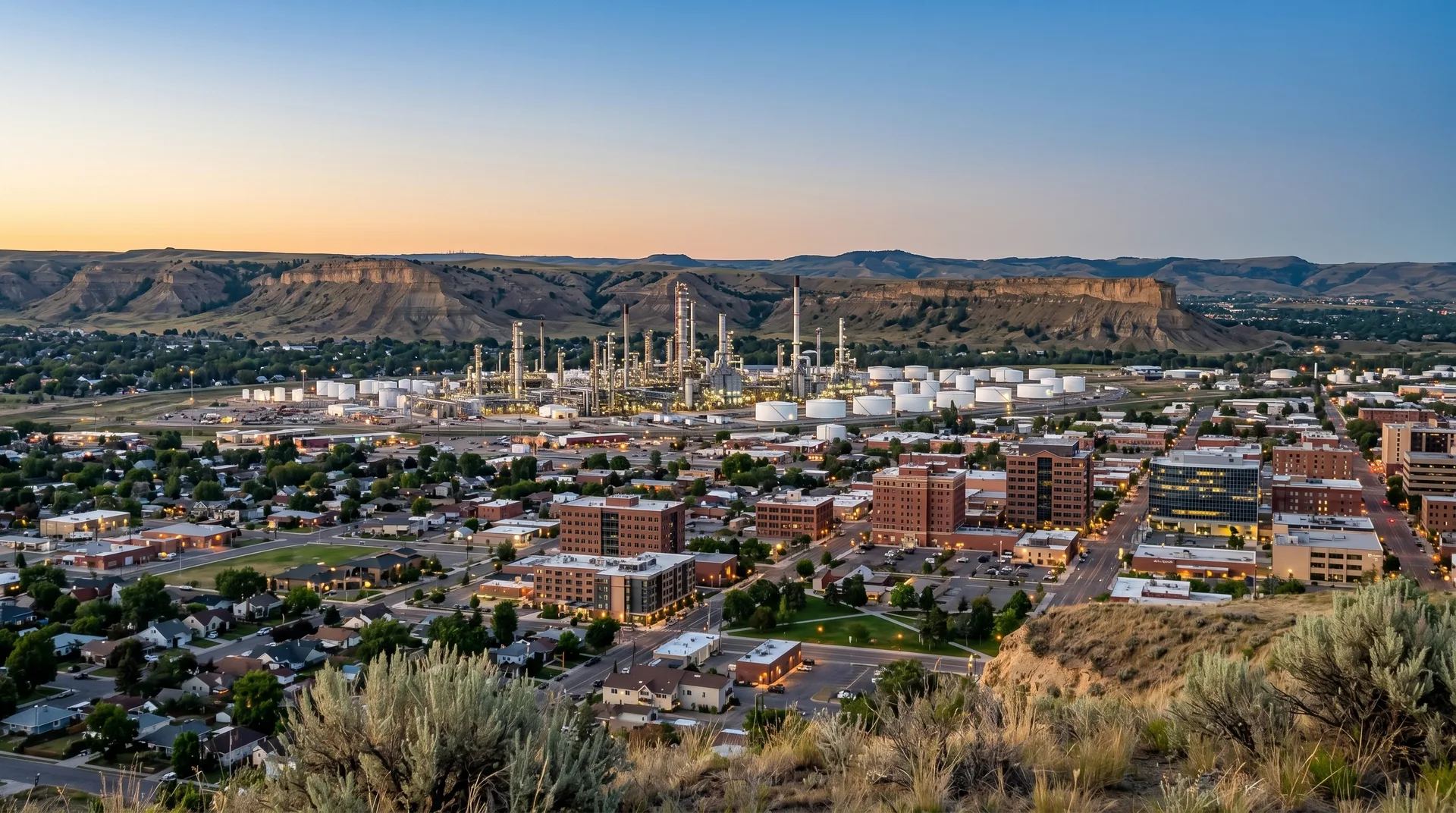
Billings
Billings, Montana, serves as a strategic logistics hub in the northern Rockies region, offering excellent connectivity for freight transportation. Located in the Yellowstone Valley, Billings benefits from its position at the intersection of major highways including I-90, which connects eastward to the Midwest and westward to the Pacific Northwest. The city's infrastructure includes the Billings Logan International Airport, multiple rail connections through BNSF Railway, and extensive warehousing facilities that support its role as a distribution center for Montana and surrounding states.
The economic landscape of Billings is diverse, with energy production (particularly oil and natural gas from the Bakken formation), agriculture, healthcare, and tourism driving the local economy. The region is a major producer of wheat, barley, and other agricultural commodities, as well as being home to significant healthcare institutions and energy companies. This economic diversity creates consistent freight demand along the Billings-Seattle corridor, with shipments ranging from agricultural products and energy equipment to medical supplies and consumer goods.
 Destination
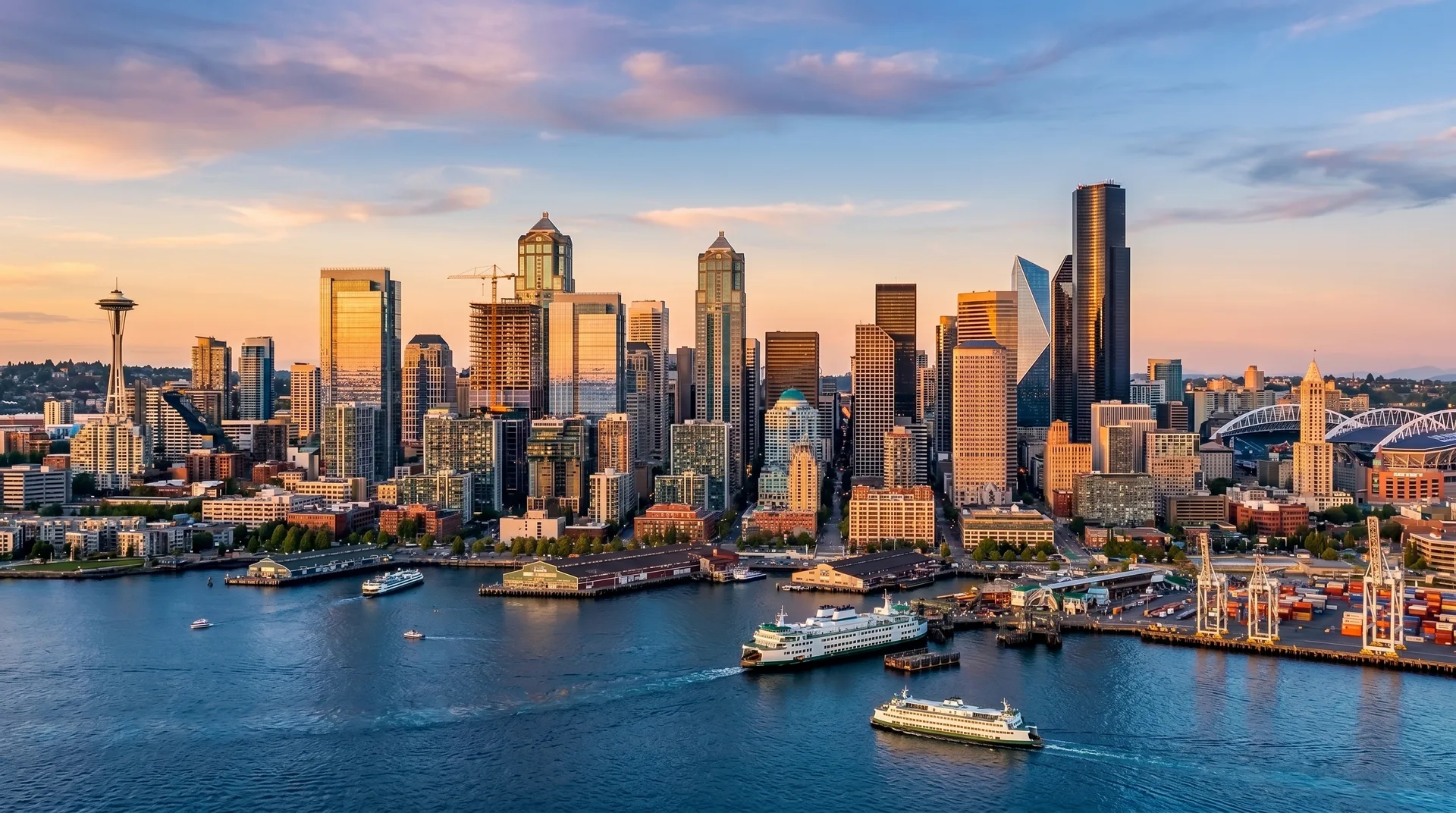
Seattle
Seattle, Washington, stands as one of the most important logistics hubs on the West Coast, offering unparalleled connectivity for freight transportation. The city's strategic location provides access to major interstate highways including I-5, which runs north-south along the West Coast, and I-90, connecting to the eastern United States. Seattle's Port of Seattle is one of the largest container ports in North America, while Sea-Tac International Airport offers extensive cargo services. The region's transportation infrastructure also includes multiple rail terminals and a comprehensive network of warehousing and distribution centers.
The Seattle metropolitan area is home to major technology companies, aerospace manufacturers, and a thriving international trade sector. Companies like Amazon, Microsoft, Boeing, and Starbucks have their headquarters or major operations in the region, creating diverse freight transportation needs. The area's economy also includes significant maritime industries, advanced manufacturing, and a growing biotechnology sector. This economic diversity, combined with Seattle's role as a gateway to Asian markets, makes it a critical destination for freight shipments from across the United States.










