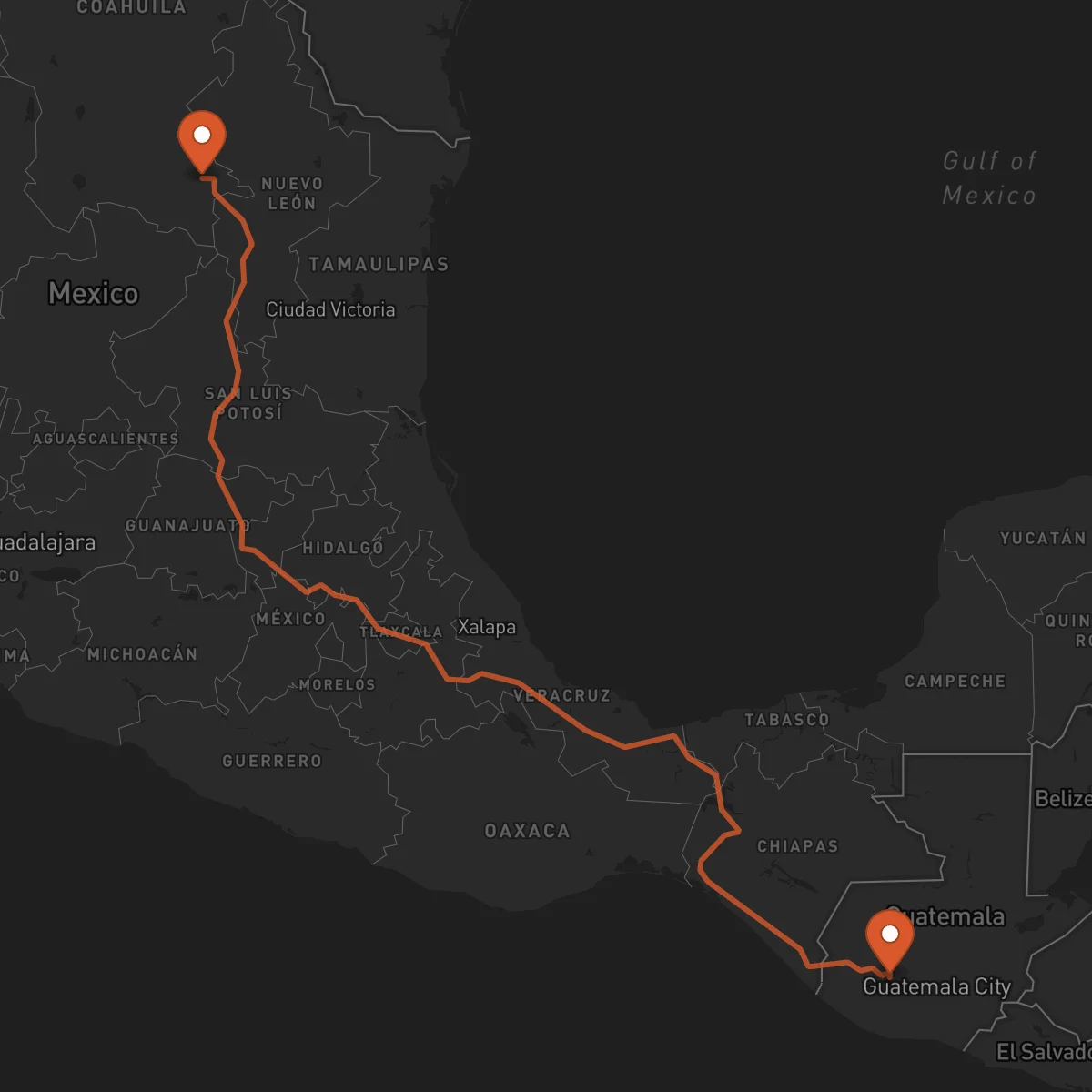
Saltillo to Sololá
Sololá → SaltilloFTL freight transportation service between Saltillo and Sololá. Reliable logistics solutions for your business.
Route Description
Everything you need to know about the corridor Saltillo - Sololá
The Saltillo to Sololá corridor represents a critical north-south logistics artery connecting Mexico's industrial powerhouse with the commercial heart of western Guatemala. Spanning approximately 1,565 kilometers, this cross-border route is strategically vital for supply chains requiring reliable Full Truckload (FTL) movement between major manufacturing centers and key consumption markets in Central America. The corridor facilitates the flow of goods through a complex but well-established network of highways and border infrastructure, underpinned by decades of trade between the two nations.
Economically, this route links the dense industrial region of northeastern Mexico—a hub for automotive, steel, and general manufacturing—with Guatemala's productive western highlands, known for agriculture, textiles, and consumer goods. Primary industries leveraging this corridor include automotive parts manufacturers, industrial component producers, agricultural exporters (such as fruits and vegetables), and consumer goods distributors moving products north and finished goods south. The infrastructure backbone consists primarily of Mexico's Federal Highway 57 (from Saltillo to Mexico City) and Highway 190 (toward the Guatemalan border), transitioning to Guatemala's CA-1 highway after crossing. The principal border crossing is at Ciudad Hidalgo, Chiapas (Mexico) and Tecún Umán, San Marcos (Guatemala), a bustling point for commercial traffic.
Navigating the customs and regulatory requirements of this corridor demands expertise. Control Terrestre streamlines this process through our alliance of providers who hold essential certifications like C-TPAT, FAST, and BASC, ensuring compliant and efficient cross-border clearance. We exclusively manage FTL shipments—dedicated, expedited, specialized, or standard dry/reefer vans—providing a single point of contact for your cargo from door in Saltillo to door in Sololá. Our network's deep experience with this specific route means we proactively manage transit variables, documentation, and border protocols, allowing you to focus on your business while we handle the terrestrial complexity.
Services for this Route
Available services for the corridor Saltillo - Sololá
 Origin
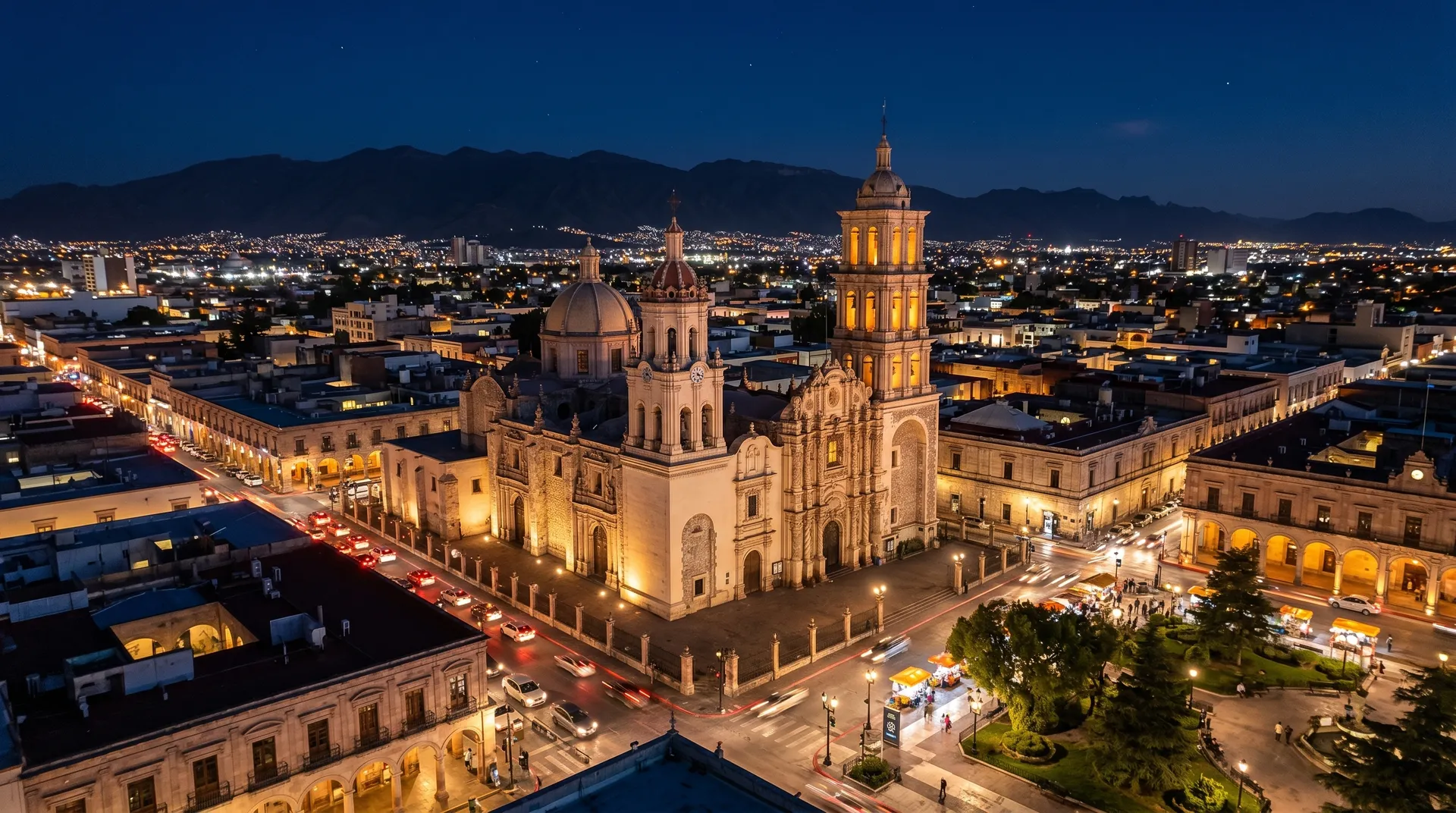
Saltillo, Coahuila, is a cornerstone of Mexico's industrial landscape, strategically positioned just south of the Texas border and within the dynamic Monterrey-Saltillo megaregion. Its economy is dominated by world-class automotive manufacturing, with major plants from General Motors and Stellantis driving demand for inbound parts and outbound vehicle logistics. The city is also a significant hub for steel production, metal mechanics, and general manufacturing, creating a constant flow of industrial and consumer freight. Logistically, Saltillo benefits from exceptional connectivity via Federal Highway 57, which provides a direct, high-capacity link north to the U.S. border at Laredo and south to Mexico City. It is also served by a major railway line and a regional airport, creating a multi-modal hub that efficiently connects manufacturing plants to national and international corridors like the one to Guatemala.
 Destination
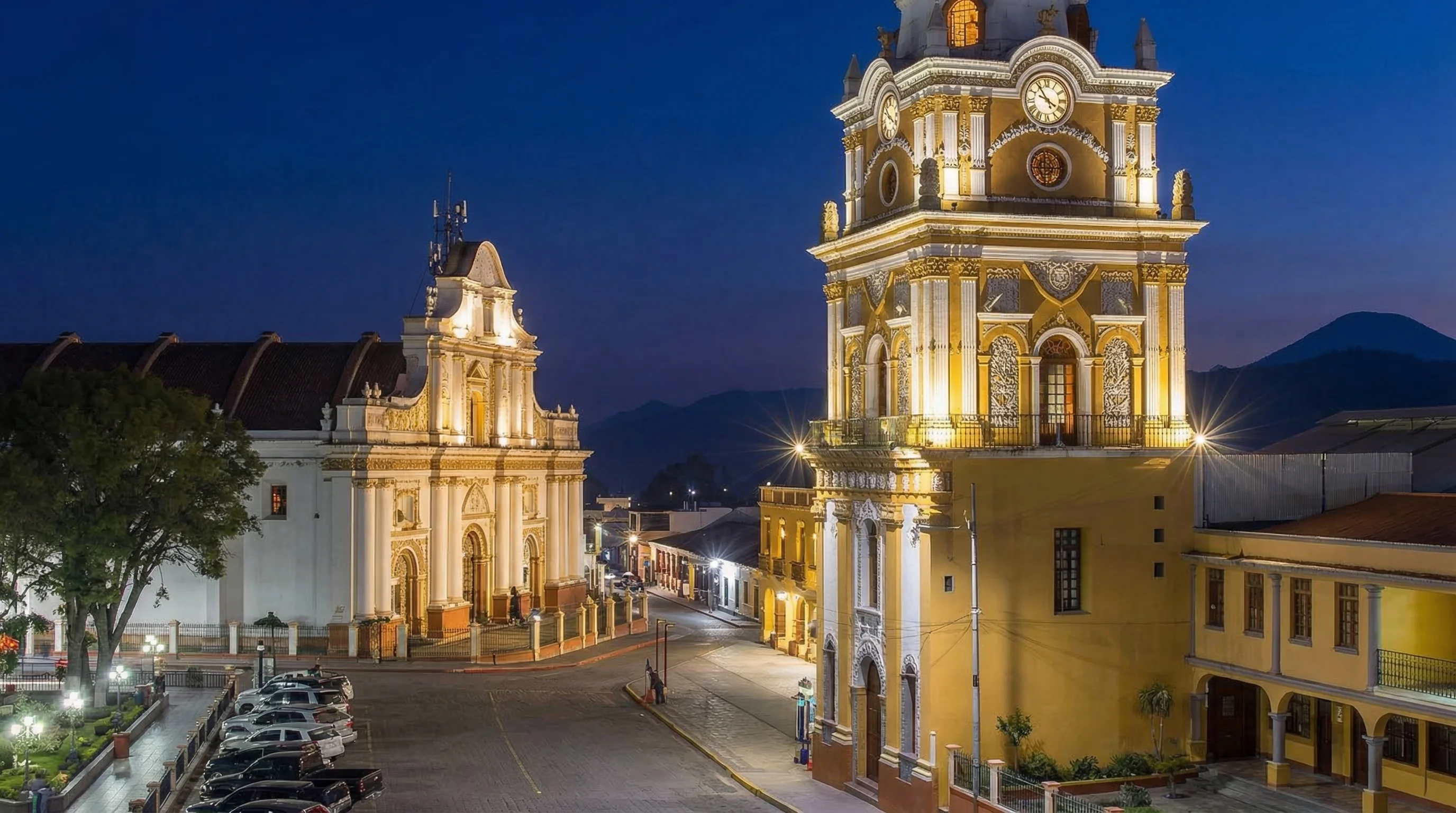
Sololá, situated in the western highlands of Guatemala, serves as a pivotal commercial and logistical gateway for the region. While the department of Sololá itself has a strong agricultural base, particularly in coffee, vegetables, and textiles, the city's strategic importance lies in its central location within Guatemala's road network. It is a key distribution node for goods moving to and from the Pacific coast ports (like Puerto Quetzal) and the populous western regions, including tourist areas like Lake Atitlán. The primary infrastructure is the CA-1 highway, which connects Sololá to the Mexican border at Tecún Umán and continues eastward toward Guatemala City. This makes it an indispensable terminus for cross-border freight, handling everything from imported manufactured goods and construction materials to exported agricultural products. The road infrastructure, while sometimes challenging due to mountainous terrain, is the established and essential route for terrestrial trade with Mexico.










