Saltillo to La Palma
La Palma → SaltilloFTL freight transportation service between Saltillo and La Palma. Reliable logistics solutions for your business.
Route Description
Everything you need to know about the corridor Saltillo - La Palma
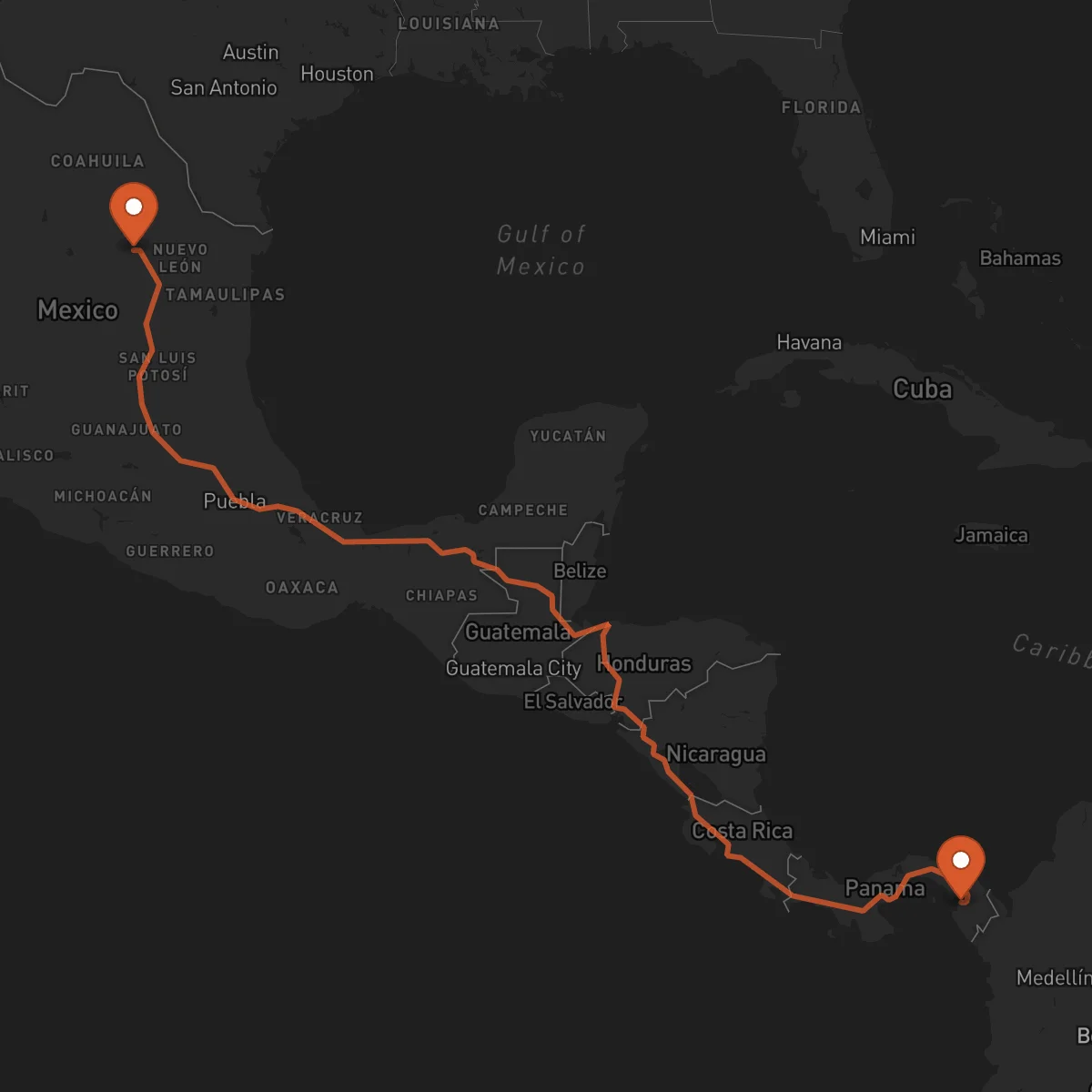
The Saltillo to La Palma corridor represents a critical north-south logistics artery connecting Mexico's industrial heartland with Panama's strategic Pacific gateway. Spanning approximately 3,075 km, this cross-border route traverses the entirety of Central America, serving as a vital conduit for supply chains linking North American manufacturing with Latin American markets and global shipping lanes via the Panama Canal. Its strategic importance lies in enabling efficient movement of goods across multiple jurisdictions, reducing reliance on maritime routes for time-sensitive cargo, and supporting the integrated economies of the region. Control Terrestre leverages our robust alliance of transportation providers to offer seamless Full Truckload (FTL) solutions along this complex corridor, ensuring reliability through expert cross-border management and a commitment to human-centric, sustainable logistics practices.
Economically, the corridor bridges two dynamic regions. Saltillo is a major industrial hub in northeast Mexico, while La Palma provides direct access to one of the world's most significant trade hubs. Key industries utilizing this route include automotive (transporting parts and finished vehicles), agriculture (moving perishables like produce and coffee), manufactured goods, and industrial machinery. The flow is bidirectional, supporting both export-oriented manufacturing from Mexico and the distribution of Central American agricultural and raw materials to northern markets. This corridor is essential for just-in-time manufacturing supply chains and for getting perishable goods to market efficiently, where land transport offers advantages over longer sea routes.
Infrastructure relies primarily on the Pan-American Highway network and key national routes like Mexico's Federal Highway 57. The journey involves navigating multiple international border crossings, including Mexico-Guatemala, Honduras-Nicaragua, Costa Rica-Panama, and the final entry into Panama. Each crossing presents unique customs procedures, documentation requirements, and regulatory frameworks. Control Terrestre's provider network holds essential certifications such as BASC for security and streamlined processing, which are invaluable for navigating these complexities. Our expertise in cross-border freight ensures all documentation, from customs bonds to specific country permits, is meticulously handled, minimizing delays at these critical transition points.
We facilitate operations on this corridor through dedicated FTL services, specialized equipment availability (including reefers for perishables and flatbeds for oversized cargo), and our integrated provider alliance. This allows us to offer consistent, door-to-door service with a single point of contact. Our focus on being a human and green partner means we prioritize clear communication, proactive issue resolution, and sustainable transport options where available. By managing the entire logistics chain—from origin pickup in Saltillo to final delivery in La Palma—we provide our clients with the visibility and reliability needed to optimize their supply chains across this challenging but rewarding international route.
Services for this Route
Available services for the corridor Saltillo - La Palma
 Origin
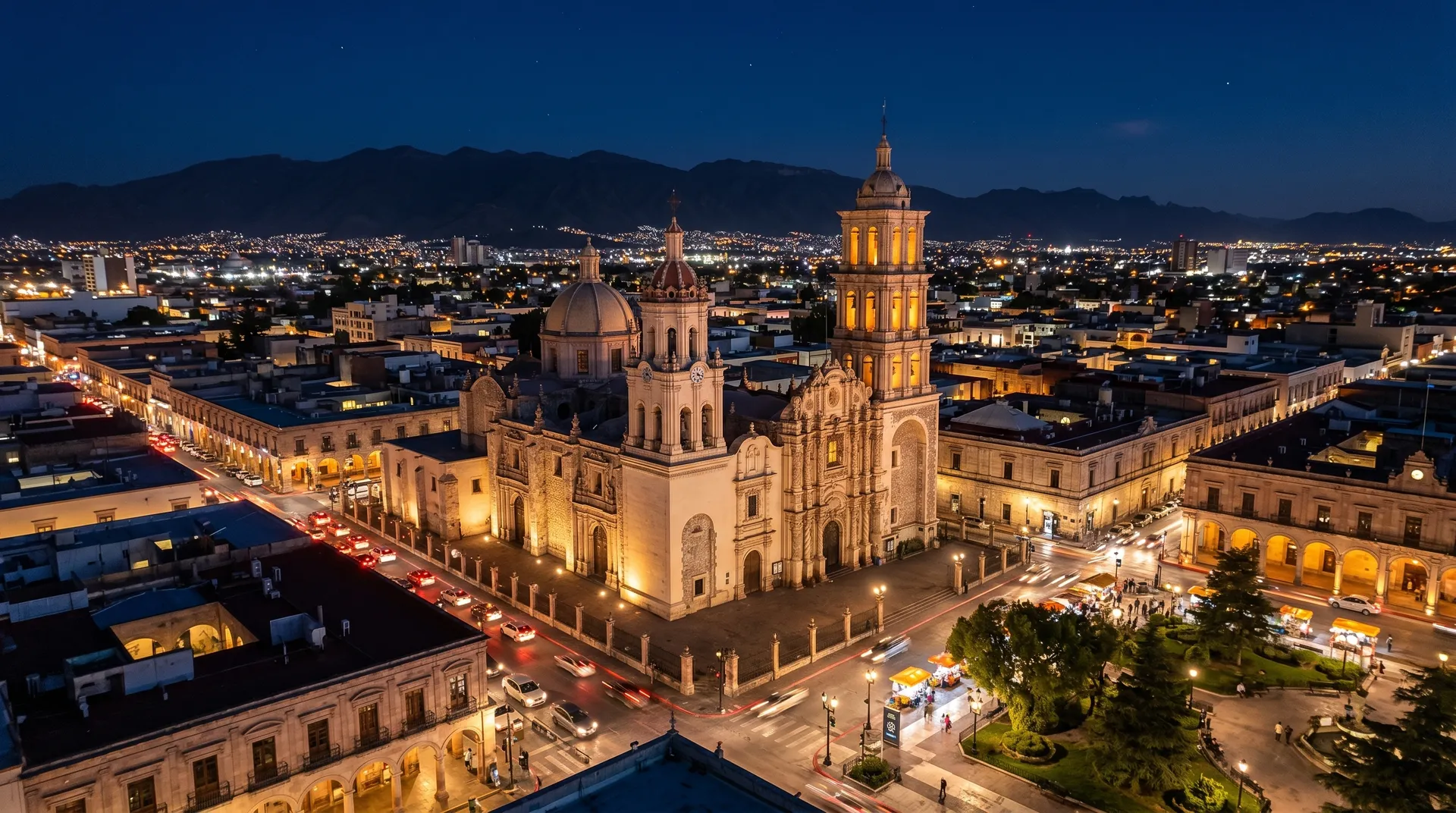
Saltillo, the capital of Coahuila, is a strategically located industrial powerhouse in northeastern Mexico, positioned just southwest of Monterrey and within easy reach of the U.S. border. Its logistics strength is anchored by excellent highway connectivity, notably Federal Highway 57, which provides a direct, high-capacity link north to the U.S. border and south into the heart of Mexico. The city is also served by a major rail corridor and a regional airport, creating a multi-modal hub. Economically, Saltillo is dominated by advanced manufacturing, most notably the automotive sector with major plants for General Motors and Stellantis, supported by a vast network of Tier 1 and Tier 2 suppliers. Other key industries include aerospace, steel production, and general manufacturing. This concentration of heavy industry generates consistent demand for robust inbound logistics for raw materials and outbound freight for finished goods, making it a prime origin point for long-haul FTL corridors throughout North and Central America.
 Destination
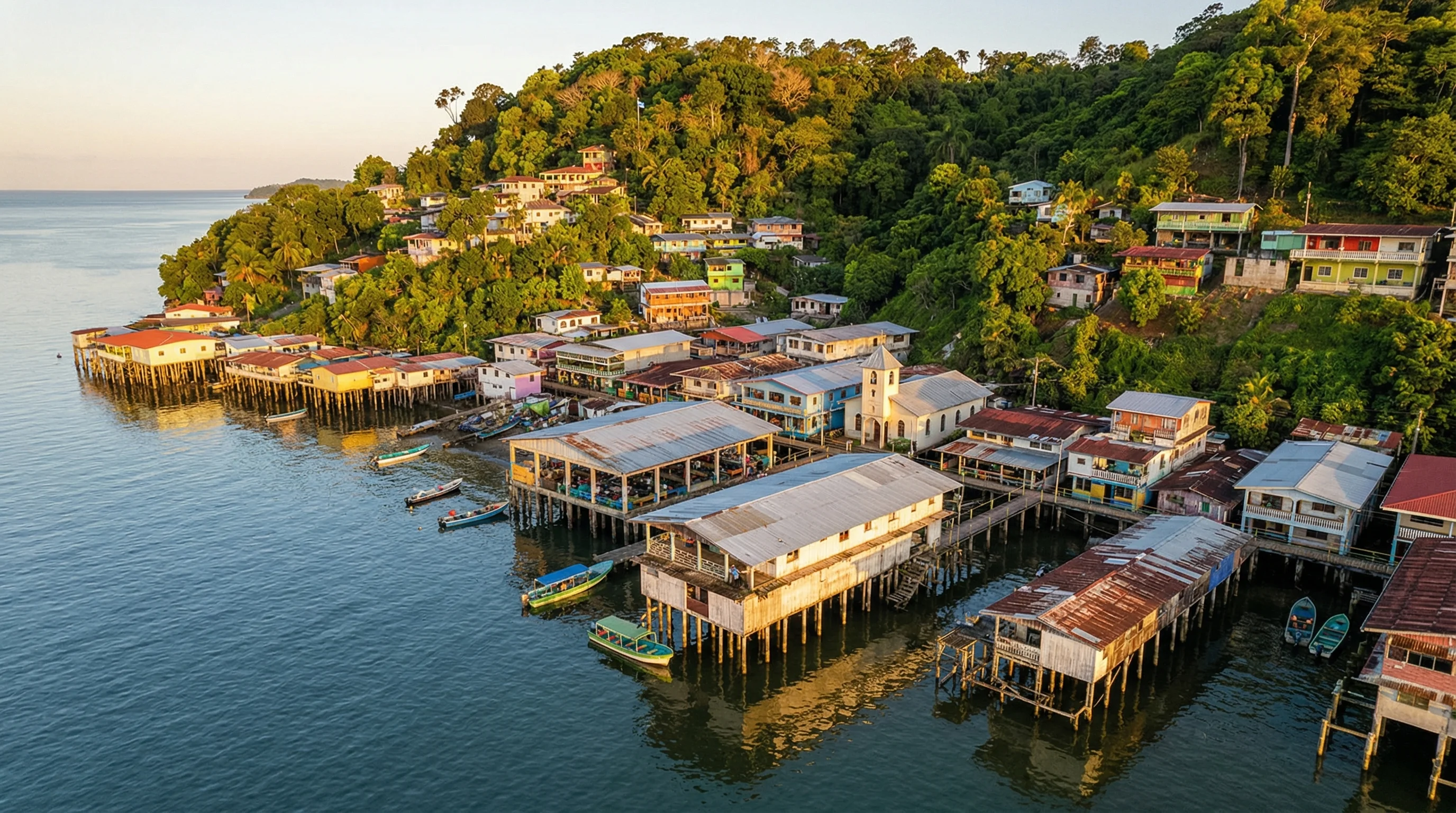
La Palma, located in the Darién province of Panama on the Pacific coast, serves as a crucial logistics gateway to the Panama Canal and the broader Americas. Its strategic value stems from its proximity to major port facilities like Balboa and its position at the southern terminus of the Pan-American Highway. The area functions as a vital transshipment and distribution hub for cargo moving between the Pacific and Atlantic via the Canal, as well as for goods destined for Central and South America. Key industries driving demand include logistics and distribution services, agriculture (particularly banana, coffee, and palm oil exports from surrounding regions), and light manufacturing. Infrastructure is defined by its port access, connecting highways, and cross-docking facilities designed to handle international cargo. This makes La Palma an essential destination for FTL shipments requiring canal-adjacent connectivity or final-mile delivery into Panama and southern Central America.










