
Saltillo to Estelí
Estelí → SaltilloFTL freight transportation service between Saltillo and Estelí. Reliable logistics solutions for your business.
Route Description
Everything you need to know about the corridor Saltillo - Estelí
The Saltillo to Estelí corridor represents a vital north-south logistics artery connecting Mexico's industrial heartland with Nicaragua's agricultural and manufacturing centers. This strategic cross-border route traverses the breadth of Central America, serving as a critical link for supply chains requiring reliable full truckload (FTL) movement between these key economic zones. The corridor's importance is underscored by the robust manufacturing output in northern Mexico and the growing export demands from Nicaragua's fertile regions.
Economically, the corridor supports a dynamic flow of goods. From Saltillo, a major automotive and manufacturing hub, cargo typically includes auto parts, industrial equipment, and consumer goods heading south. Conversely, northbound freight from Estelí and surrounding areas features high-value agricultural products like coffee, beef, and textiles, alongside raw materials for regional industries. This bi-directional trade necessitates a transportation partner with deep expertise in navigating diverse regulatory environments and infrastructural conditions.
Operational execution on this corridor depends on several key factors. The primary highway route leverages Mexico's Federal Highway 57 southward, transitioning through Central America via a network that includes major roads like the CA-1 in Guatemala and Nicaragua's Carretera Panamericana. Critical border crossings, such as the Mexico-Guatemala border (e.g., Ciudad Hidalgo/Tecún Umán) and the Costa Rica-Nicaragua border (Peñas Blancas), demand meticulous customs clearance and documentation. Control Terrestre facilitates seamless operations through our alliance of certified providers, all holding essential credentials including C-TPAT, FAST, and BASC. Our team manages the complex cross-border documentation, customs brokerage coordination, and transit planning, ensuring your FTL shipment moves efficiently across international boundaries while adhering to all safety and security protocols.
We provide a single point of contact for this entire corridor, leveraging our network's specialized equipment—from dry vans and reefers for general and perishable cargo to flatbeds for oversized industrial components. Our focus is on providing a transparent, reliable, and human-centric service, optimizing your supply chain's resilience on this long-haul international route without compromising on safety or sustainability standards.
Services for this Route
Available services for the corridor Saltillo - Estelí
 Origin
Saltillo, the capital of Coahuila, is a strategic industrial and logistics powerhouse in northeastern Mexico. Its location provides direct access to the U.S. border via major highways like Federal Highway 57, which connects to Texas border crossings such as Laredo and Eagle Pass. This positions Saltillo as a premier manufacturing and distribution center, particularly for the automotive industry, with major assembly plants and a dense network of suppliers. The city's robust infrastructure includes extensive warehousing, intermodal facilities, and a skilled workforce, making it an ideal origin point for national and cross-border freight. Key economic sectors include automotive, aerospace, steel, and general manufacturing, generating consistent demand for dedicated FTL and specialized cargo services moving south into Central America.
 Destination
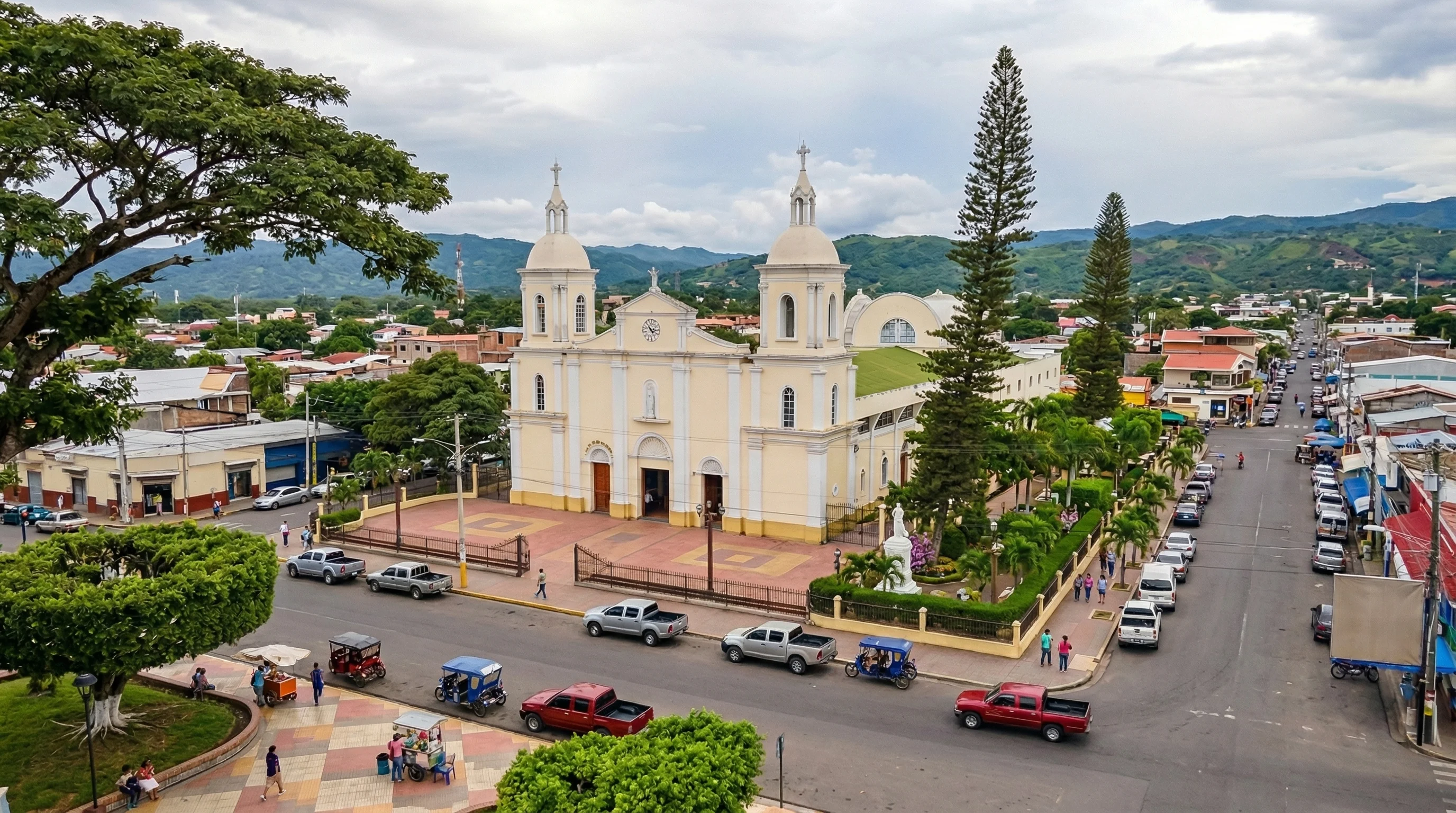
Estelí, located in northern Nicaragua, serves as a crucial agricultural and commercial hub for the region. Strategically positioned on the Pan-American Highway (CA-1), it provides a primary gateway for goods entering and exiting Nicaragua from the north. The city and its surrounding department are renowned for high-quality coffee, tobacco, beef, and dairy production, driving significant freight volume. While infrastructure is developing, the highway network connects Estelí to major ports on both the Pacific and Caribbean coasts, enabling onward global shipping. The local economy's reliance on exporting perishable agricultural goods and importing industrial supplies creates steady demand for reliable refrigerated, dry van, and dedicated FTL transportation services into and out of this key Central American market.










