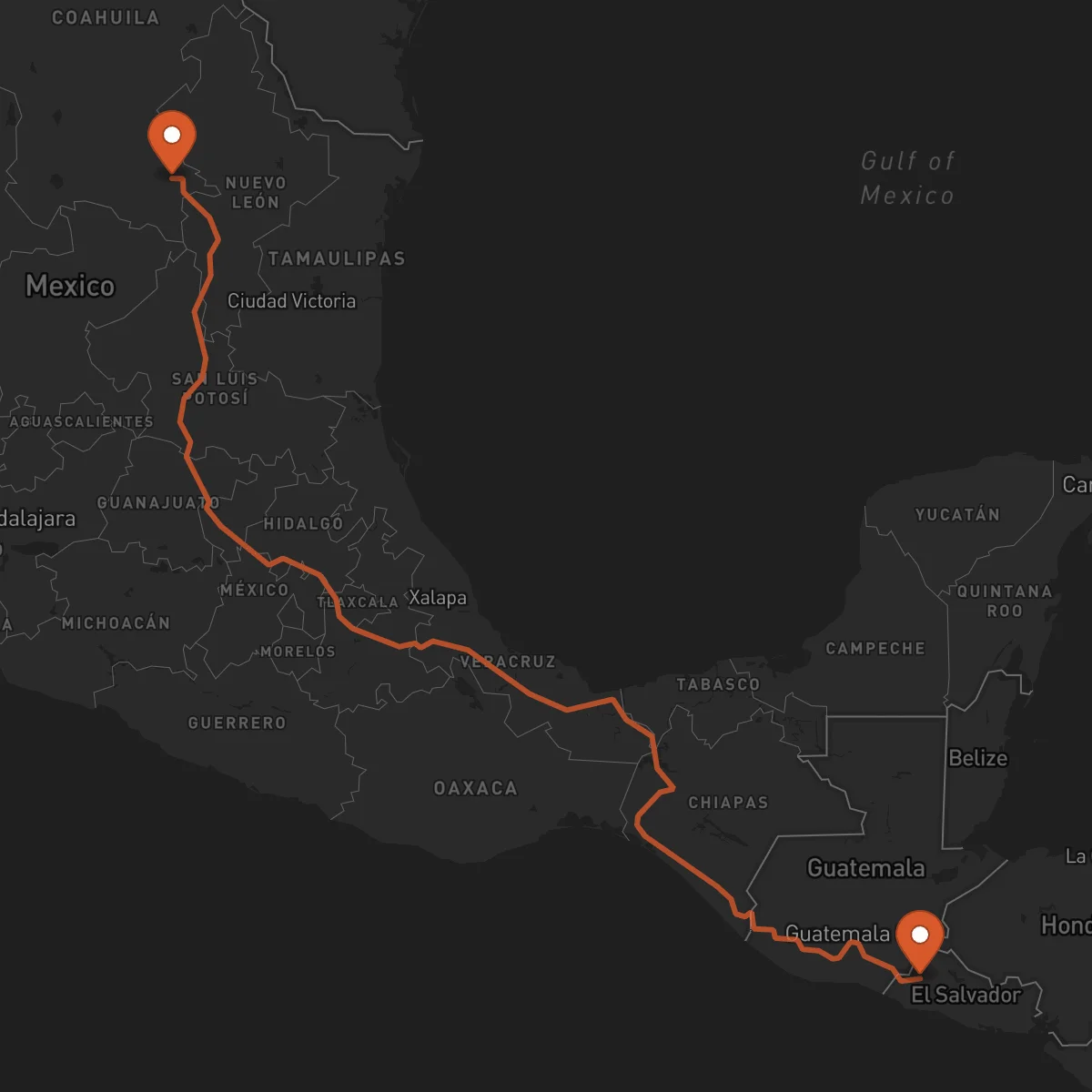
Saltillo to Santa Ana
Santa Ana → SaltilloFTL freight transportation service between Saltillo and Santa Ana. Reliable logistics solutions for your business.
Route Description
Everything you need to know about the corridor Saltillo - Santa Ana
The Saltillo, Coahuila to Santa Ana, El Salvador corridor represents a critical north-south logistics artery connecting Mexico's industrial heartland with Central America's key Pacific gateway. This strategic cross-border route facilitates the seamless flow of goods, raw materials, and finished products across international boundaries, underpinning the integrated supply chains of North and Central America. The corridor's significance is amplified by the dense industrial manufacturing base in northern Mexico and the vibrant consumer and agricultural markets of Central America, making it a vital conduit for trade.
Saltillo is a major industrial hub, particularly renowned for its automotive sector, hosting plants for major manufacturers like General Motors and Stellantis. This generates consistent, high-volume demand for moving automotive parts, components, and finished vehicles southward, as well as bringing in raw materials. Complementary industries include steel, metal-mechanics, and food processing. Santa Ana, in turn, serves as a pivotal distribution and logistics center for El Salvador and the wider region, supported by the nearby Port of Acajutla. Key economic sectors driving freight on this leg include agriculture (coffee, sugar), textiles and apparel, manufactured goods, and consumer packaged products destined for local markets or further transit.
The primary transportation infrastructure relies on a network of well-maintained Mexican federal highways (notably Fed. 57 and Fed. 40D) connecting to the Guatemalan and Salvadoran highway systems. The most common and efficient border crossing for this corridor is at Ciudad Hidalgo/La Mesilla (Mexico-Guatemala), followed by transit through Guatemala to the El Salvador border at San Cristóbal Las Anonas/El Poy. Navigating these crossings requires expertise in customs procedures and documentation for multiple countries. Control Terrestre leverages its alliance of certified providers—holding credentials such as C-TPAT, FAST, and BASC—to ensure compliant, efficient cross-border operations. We manage the full spectrum of FTL requirements on this corridor, from dedicated and expedited shipments to specialized cargo like oversized or temperature-controlled freight, providing a single-point-of-contact solution for complex international truckload movements.
Services for this Route
Available services for the corridor Saltillo - Santa Ana
 Origin
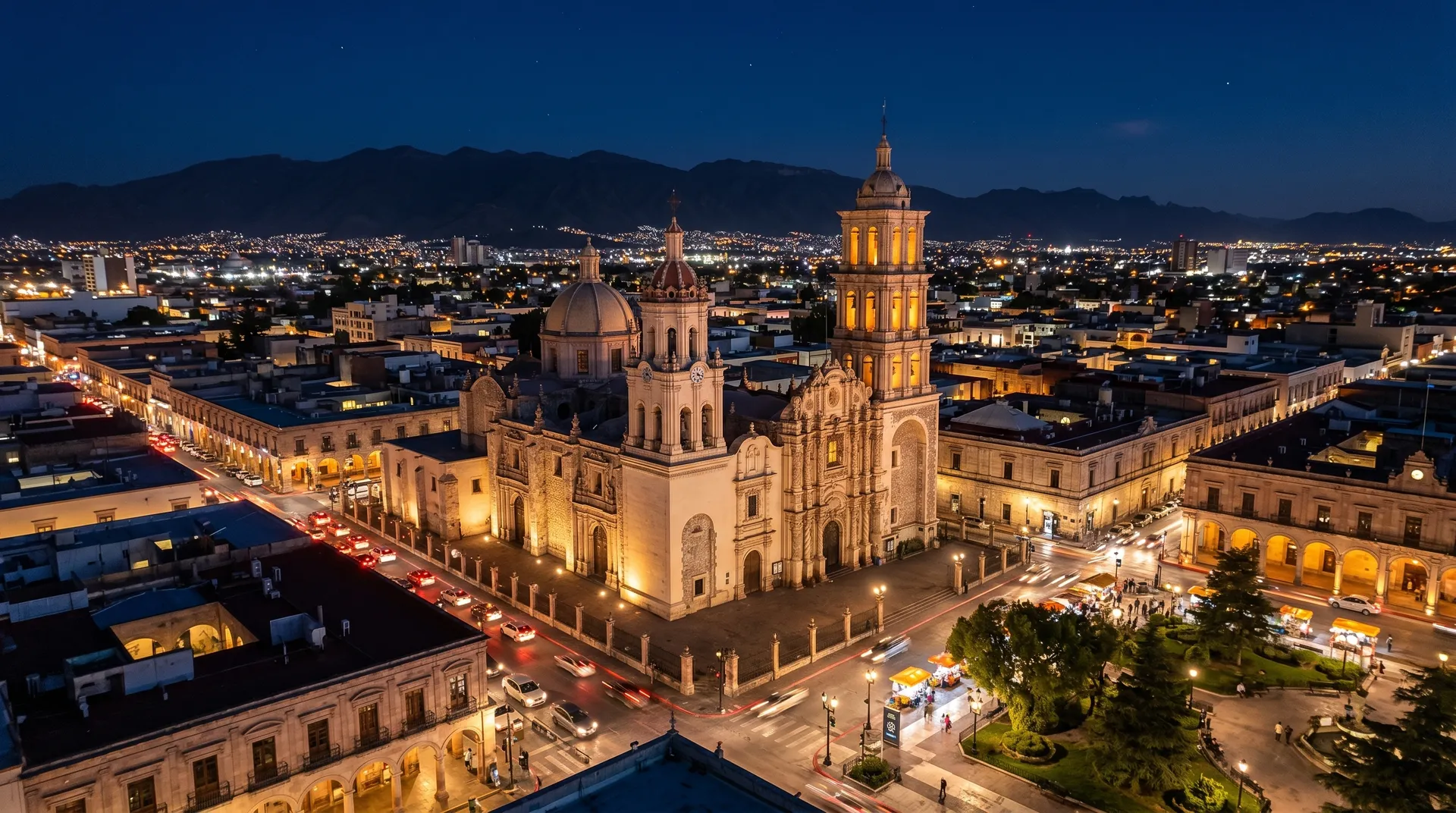
Saltillo, the capital of Coahuila, is a strategic logistics origin due to its prime location within Mexico's industrial corridor, approximately 250 km south of the U.S. border. It is a dominant manufacturing center, especially for the automotive industry, which creates a constant, high-value freight demand. The city is exceptionally well-connected by major federal highways, including Fed. 57 (the main artery to the U.S. border) and Fed. 40D (linking to the Pacific coast and central Mexico). This robust road infrastructure, combined with its proximity to Monterrey's international airport and rail networks, establishes Saltillo as a multimodal logistics hub. Its economy, driven by automotive, steel, and manufacturing, ensures a steady flow of outbound full truckloads requiring reliable, long-haul transportation solutions to southern markets.
 Destination
Santa Ana
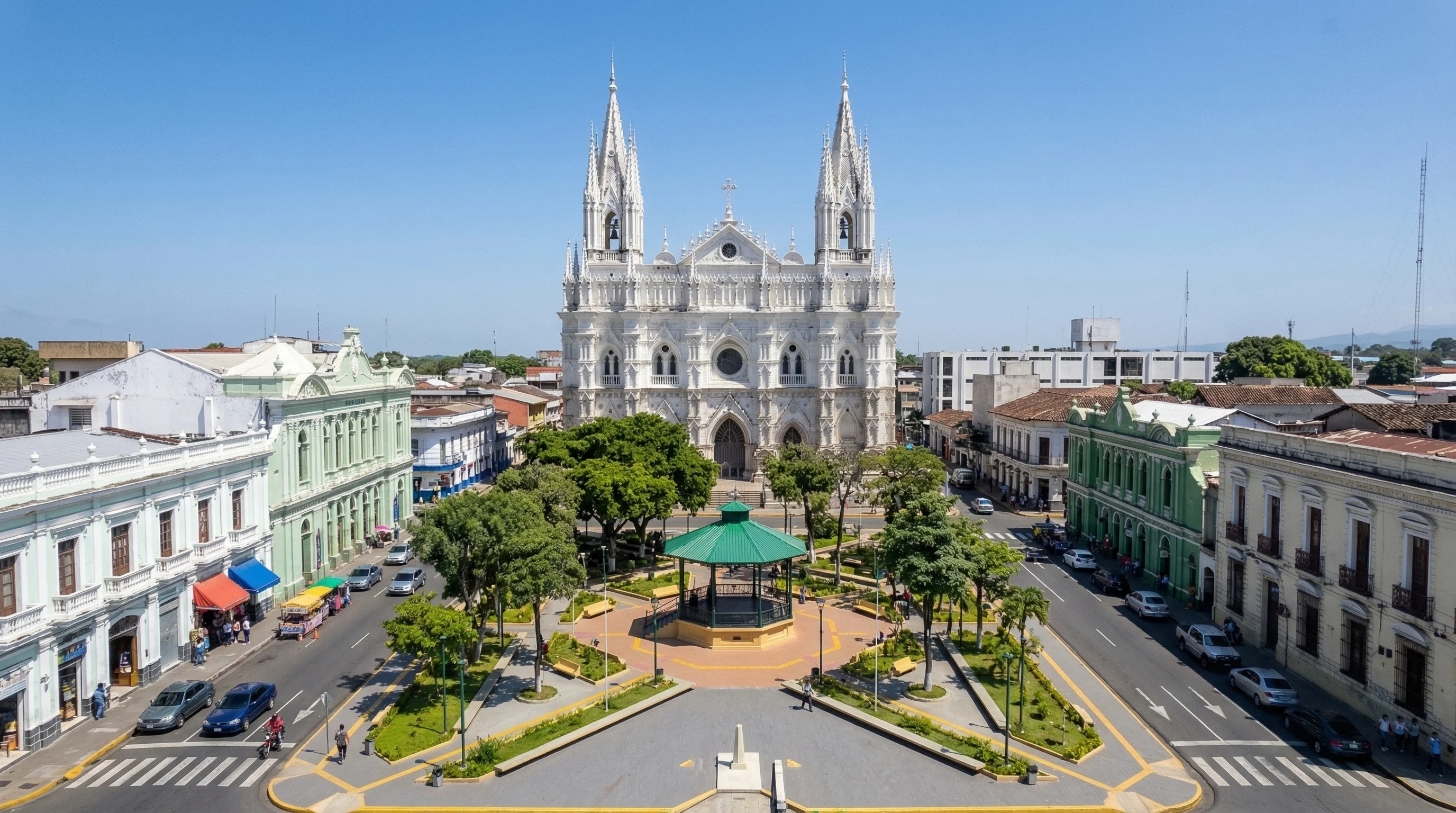
Santa Ana is a strategically vital destination in western El Salvador, serving as a major commercial and logistical hub for the region. Its importance is heightened by its proximity to the Port of Acajutla, El Salvador's primary seaport for international trade, creating a natural gateway for import and export goods. The city and its surrounding region are economically powered by agriculture (notably coffee and sugar cane), textile manufacturing, and a broad base of consumer goods distribution. Key transportation infrastructure includes the CA-1 highway, which connects Santa Ana to the capital, San Salvador, and to the Guatemalan border, forming a critical link in the Central American highway network. This makes Santa Ana a consolidation and deconsolidation point for freight moving throughout Central America, demanding efficient cross-border trucking services from Mexico.










