Salamá to Austin
Austin → SalamáFTL freight transportation service between Salamá and Austin. Reliable logistics solutions for your business.
Route Description
Everything you need to know about the corridor Salamá - Austin
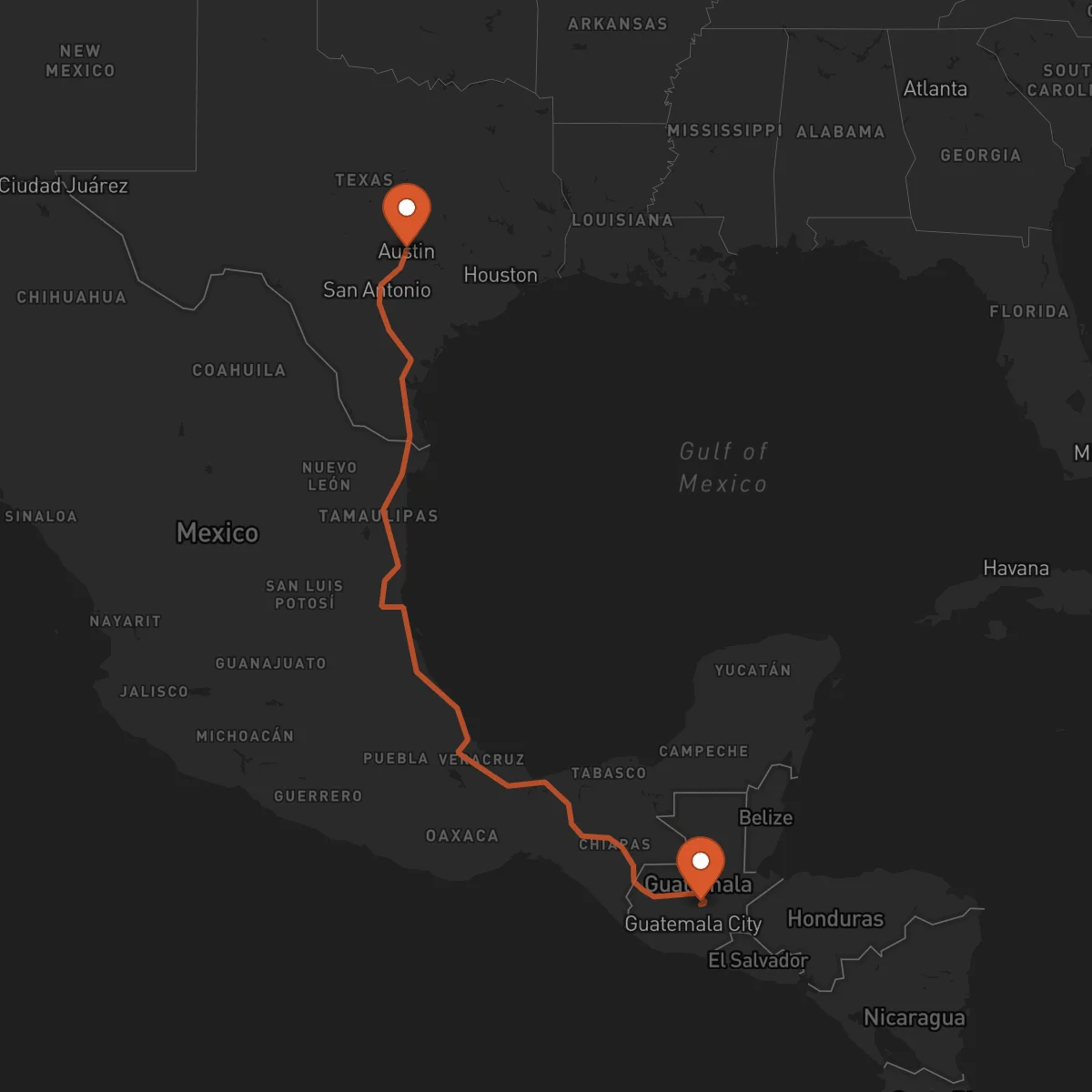
The Salamá to Austin logistics corridor connects the industrial heartland of Guatemala with one of Texas' most dynamic economic centers. This 1849 km cross-border route serves as a vital link for manufacturers, distributors, and exporters operating between Central America and the United States. The corridor traverses diverse terrain and crosses multiple international borders, requiring specialized expertise in cross-border operations and customs compliance.
The route primarily utilizes Mexico's Federal Highway 190 and Highway 180, connecting with US Interstate 35 in Laredo for the final northbound leg to Austin. Key border crossings include Ciudad Hidalgo/Malpaso and Laredo/Nuevo Laredo, where Control Terrestre's C-TPAT certified partners ensure expedited processing through secure and efficient customs procedures. The corridor handles significant automotive, electronics, and agricultural product traffic, reflecting the complementary industrial strengths of both regions.
Control Terrestre facilitates seamless operations along this corridor through our network of experienced transportation providers and dedicated cross-border specialists. Our comprehensive service includes door-to-door delivery, real-time tracking, and specialized handling for various cargo types. With our strategic partnerships and proven expertise in North American logistics, we ensure reliable, timely delivery of full truckload shipments between Salamá and Austin, supporting the growing trade relationship between Guatemala and Texas.
Services for this Route
Available services for the corridor Salamá - Austin
 Origin
Salamá
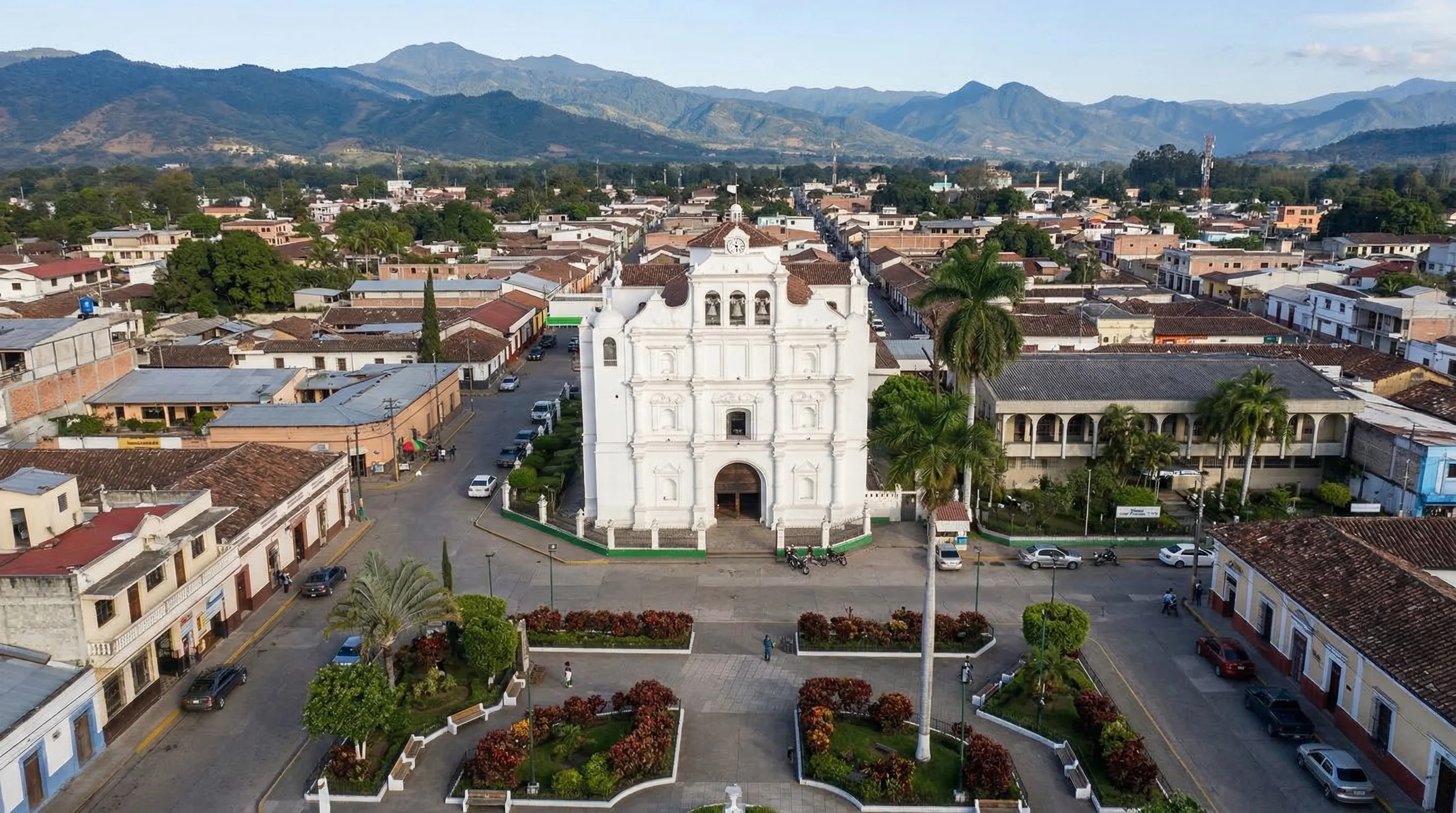
Salamá, located in Baja Verapaz, Guatemala, serves as a strategic logistics hub in the country's central highlands. The city benefits from its proximity to major industrial centers and Guatemala City, providing excellent connectivity for regional distribution networks. Salamá's economy is anchored by food processing, textile manufacturing, and agricultural product handling, making it a key origin point for both raw materials and finished goods destined for international markets.
The region boasts well-developed transportation infrastructure, including access to Guatemala's CA-9 highway system and connections to the Atlantic port of Puerto Barrios. Local industrial parks and warehousing facilities support efficient cargo consolidation and preparation for cross-border transport. Salamá's strategic location within Guatemala's industrial corridor makes it an ideal starting point for shipments to the United States, particularly for companies looking to leverage Guatemala's manufacturing capabilities and competitive logistics costs.
 Destination
Austin
Austin, Texas stands as a major logistics and economic powerhouse in the southern United States, offering exceptional connectivity and infrastructure for international freight. The city's strategic location along Interstate 35 provides direct access to major US markets, while Austin-Bergstrom International Airport and multiple rail terminals support diverse transportation options. Austin's thriving economy is driven by technology, advanced manufacturing, and research sectors, creating strong demand for reliable cross-border logistics services.
The Austin metropolitan area features extensive warehousing and distribution facilities, particularly in surrounding communities like Round Rock and Pflugerville. The region's robust infrastructure includes modern highways, intermodal facilities, and proximity to major Gulf Coast ports. Austin's position as a tech hub and growing manufacturing center makes it a key destination for specialized cargo and time-sensitive shipments from Central America, with local companies increasingly relying on efficient cross-border supply chains to maintain competitive advantage.










