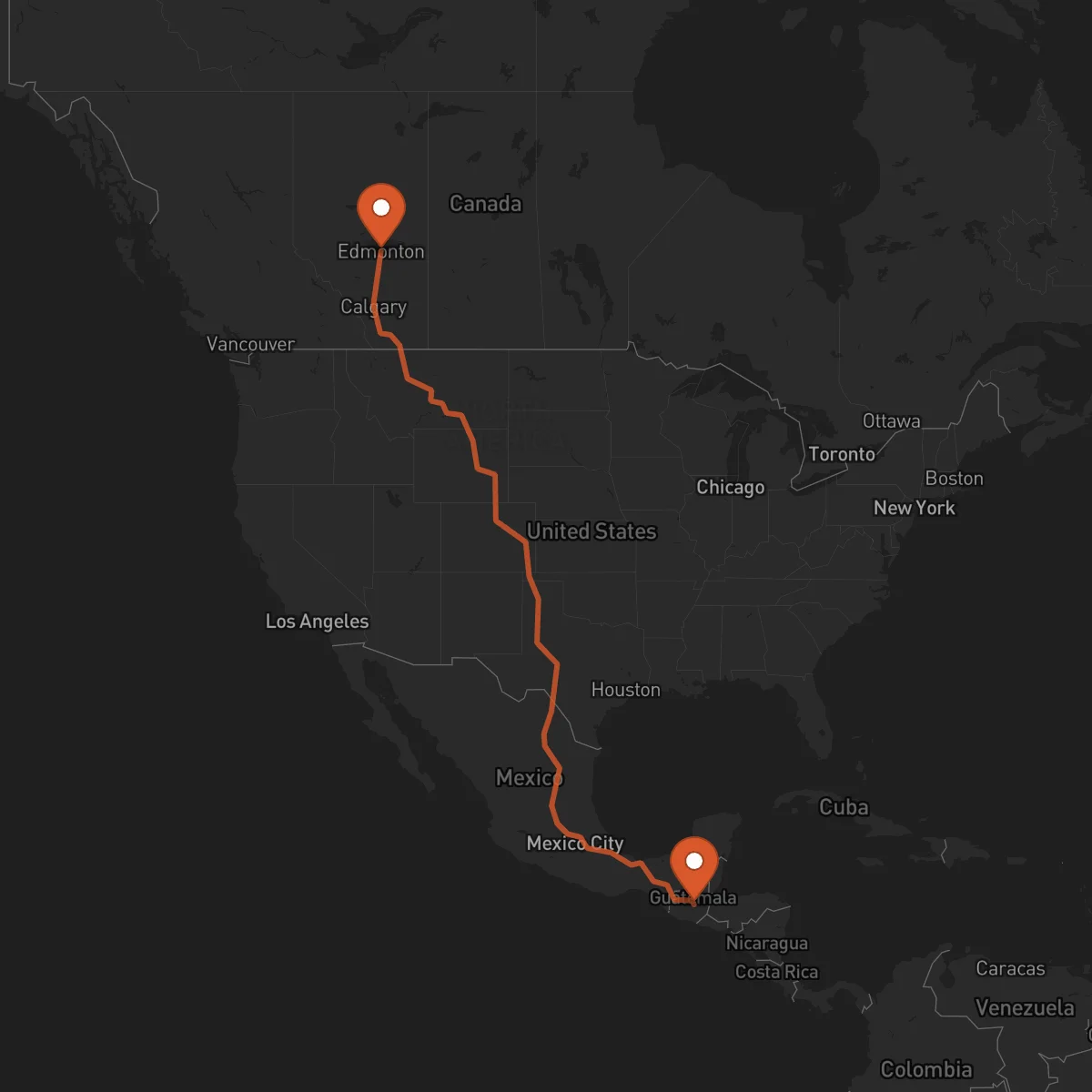
Salamá to Edmonton
Edmonton → SalamáFTL freight transportation service between Salamá and Edmonton. Reliable logistics solutions for your business.
Route Description
Everything you need to know about the corridor Salamá - Edmonton
This cross-border corridor connects Salamá, Baja Verapaz in Guatemala with Edmonton, Alberta, in Canada, representing a vital logistics link spanning approximately 4729 kilometers. It serves as a crucial artery for trade, enabling the flow of goods between Central America and the North American market, and is strategically important for businesses looking to expand or optimize their international supply chains.
The economic context of the region is driven by agriculture, manufacturing, and natural resources. This corridor supports industries such as agribusiness, automotive parts, and industrial equipment, facilitating the movement of full truckload cargo that requires dedicated and specialized transport. The infrastructure relies on a network of key highways that traverse multiple jurisdictions to reach the northern border.
Border crossings are critical nodes within this route, demanding careful attention to customs procedures and regulatory compliance for international freight. Control Terrestre leverages its network of certified providers, who hold credentials such as C-TPAT and Trusted Trader, to ensure a smooth transition across borders. We manage the complexities of North American customs documentation and coordinate specialized equipment, including dry vans and refrigerated units, to handle FTL shipments efficiently from origin to destination.
Services for this Route
Available services for the corridor Salamá - Edmonton
 Origin
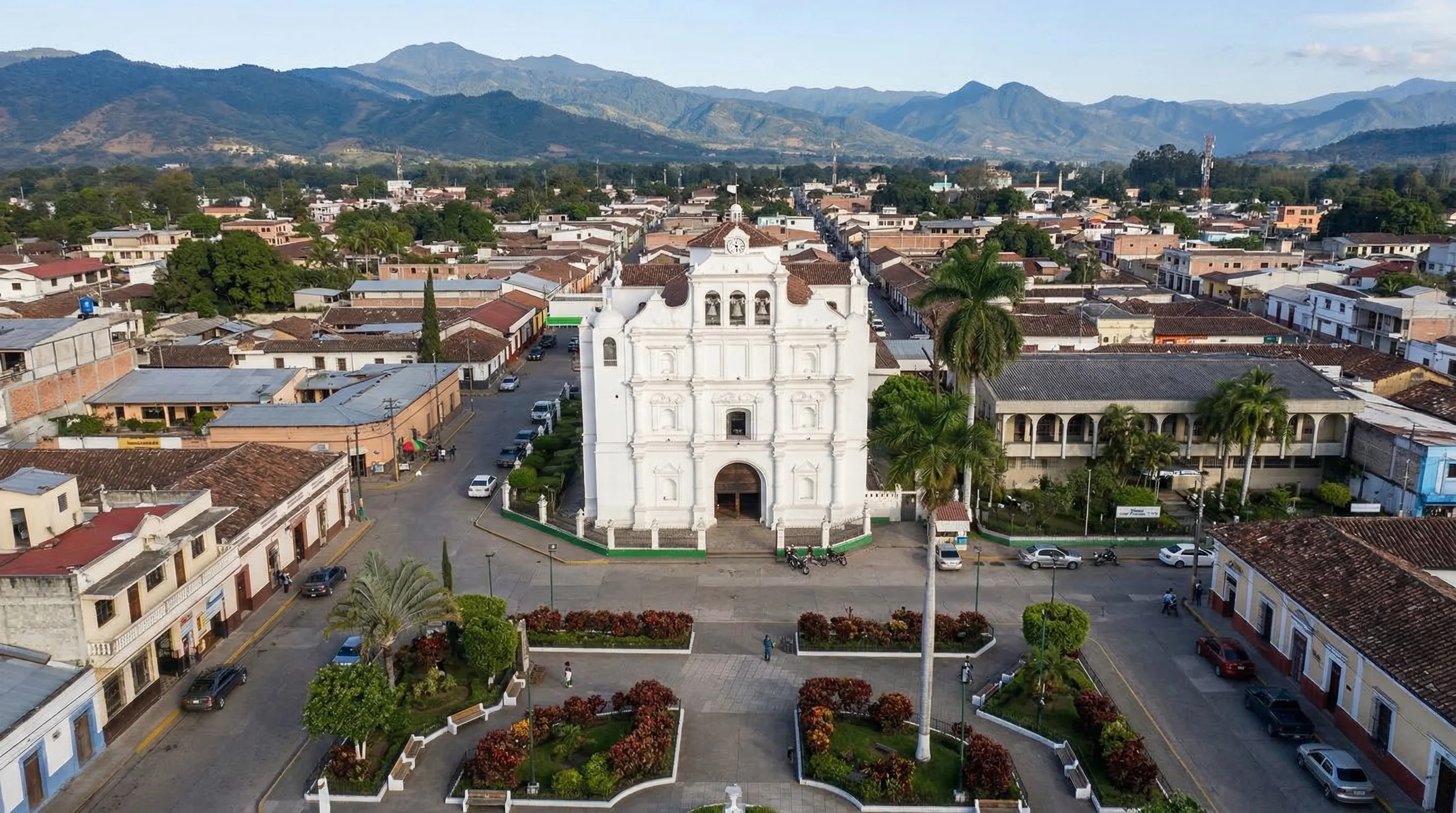
Salamá
Salamá holds strategic significance as a logistics hub within the Baja Verapaz region of Guatemala, providing a central point for the consolidation of regional cargo. Its location allows for efficient access to agricultural producers and industrial facilities, forming the starting point of long-haul journeys. The local transportation infrastructure connects to the national highway system, allowing for the efficient movement of dedicated and oversized cargo toward international gateways.
The main industries driving the economy of Salamá include agriculture, with a focus on coffee and cardamom production, alongside local manufacturing and service sectors. These sectors generate a consistent flow of full truckload freight that requires specialized handling. The availability of robust ground transportation networks ensures that cargo can be prepared and dispatched effectively for the demands of cross-border logistics.
 Destination
Edmonton serves as a major economic and transportation center in Alberta, Canada, holding a strategic position in the northern region. As a key hub for energy, agriculture, and manufacturing, the city attracts significant freight traffic requiring efficient and reliable logistics solutions. Its infrastructure supports the seamless integration of cargo into North American distribution networks.
The primary economic sectors in Edmonton include oil and gas, refining, and agricultural processing, creating a strong demand for specialized FTL transportation. The city is well-equipped with significant transportation infrastructure, including major intermodal facilities and highway access, allowing for the smooth reception of various cargo types. This ensures that shipments transported via this corridor can be received and further distributed efficiently.










