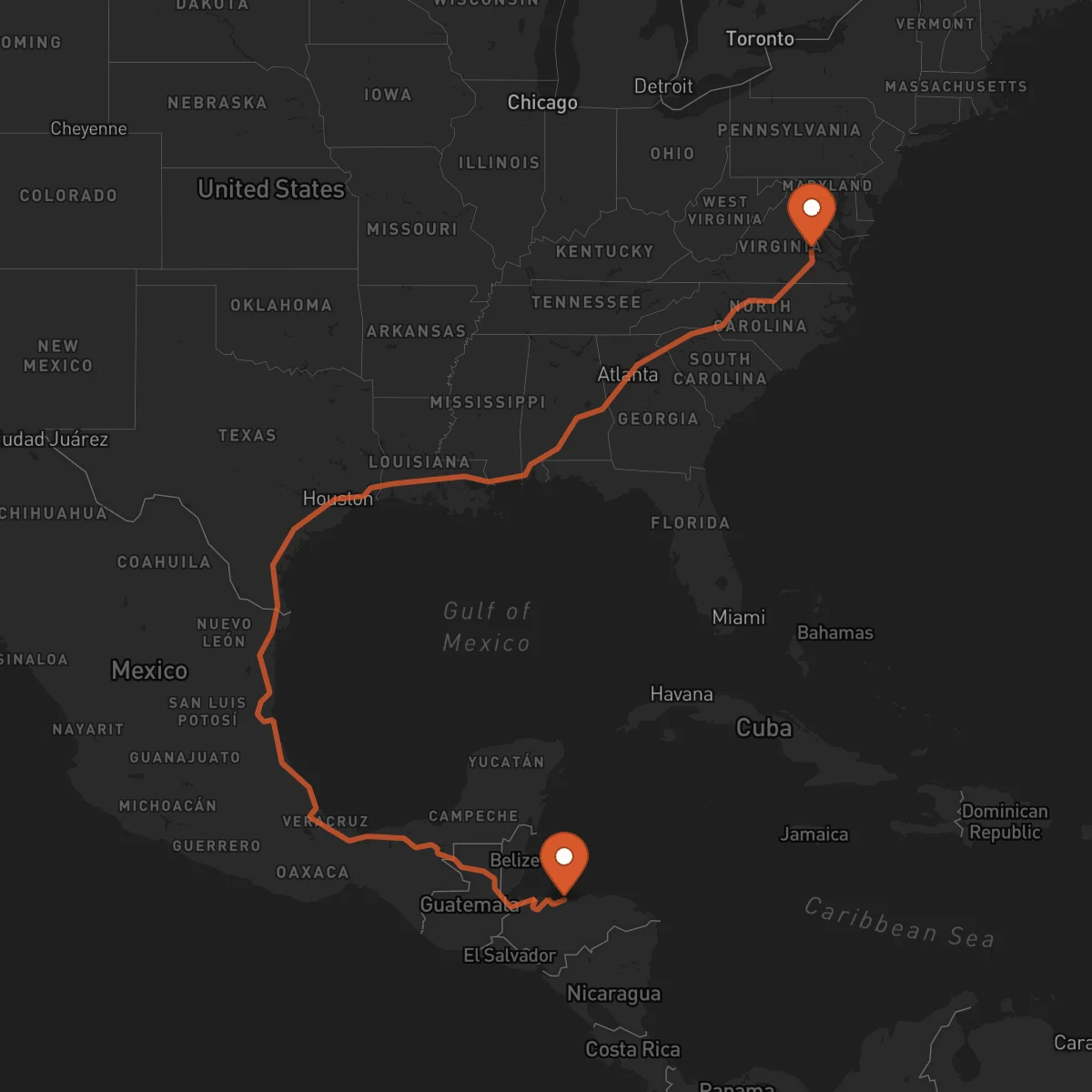
Richmond to La Ceiba
La Ceiba → RichmondFTL freight transportation service between Richmond and La Ceiba. Reliable logistics solutions for your business.
Route Description
Everything you need to know about the corridor Richmond - La Ceiba
The Richmond, Virginia to La Ceiba, Honduras corridor represents a critical north-south logistics artery connecting the industrial Mid-Atlantic United States with the economic heart of Honduras's Atlantic coast. This cross-border route is strategically vital for moving full truckload (FTL) cargo across three national borders—the United States, Mexico, and Central America—facilitating essential trade flows. The corridor supports the movement of goods ranging from manufactured products and chemicals out of the U.S. to agricultural commodities and raw materials into Central America. The primary overland route leverages the robust U.S. Interstate Highway System, notably I-95 South, transitioning through Mexico via highways such as Mexico 150D and 190, then continuing through Guatemala and into Honduras on the CA-13 highway. Key border crossings, including those at the U.S.-Mexico border (e.g., Laredo/El Paso) and the Mexico-Guatemala border (e.g., Ciudad Hidalgo/Tecún Umán), require meticulous customs documentation and compliance. At Control Terrestre, we navigate these complexities through our alliance of certified providers. Our partners hold critical credentials like C-TPAT and FAST for expedited U.S. clearance, and BASC for security standards in Central America. We manage the entire door-to-door FTL process, coordinating dedicated, refrigerated, or specialized equipment as needed, ensuring your cargo moves efficiently across this complex international corridor while you maintain full visibility.
Services for this Route
Available services for the corridor Richmond - La Ceiba
 Origin
Richmond
Richmond, Virginia, serves as a pivotal logistics origin on the U.S. East Coast, offering exceptional connectivity. Its strategic location places it within a day's drive of major markets from New York to Atlanta and provides direct access to the Port of Virginia, one of the deepest and most efficient container ports in North America. The region's economy is robust and diversified, anchored by strong manufacturing sectors including chemicals, plastics, tobacco, and advanced technology. A significant presence of food and beverage processing, along with a thriving agricultural sector producing tobacco, grains, and livestock, generates consistent demand for outbound freight. Richmond's infrastructure is comprehensive, featuring the intersecting corridors of I-95 and I-64, extensive Class I railroad service, and the port's deep-water facilities. This makes it an ideal consolidation point for FTL shipments destined for Mexico, Central America, and beyond, allowing shippers to efficiently reach international markets from a single, well-supported hub.
 Destination
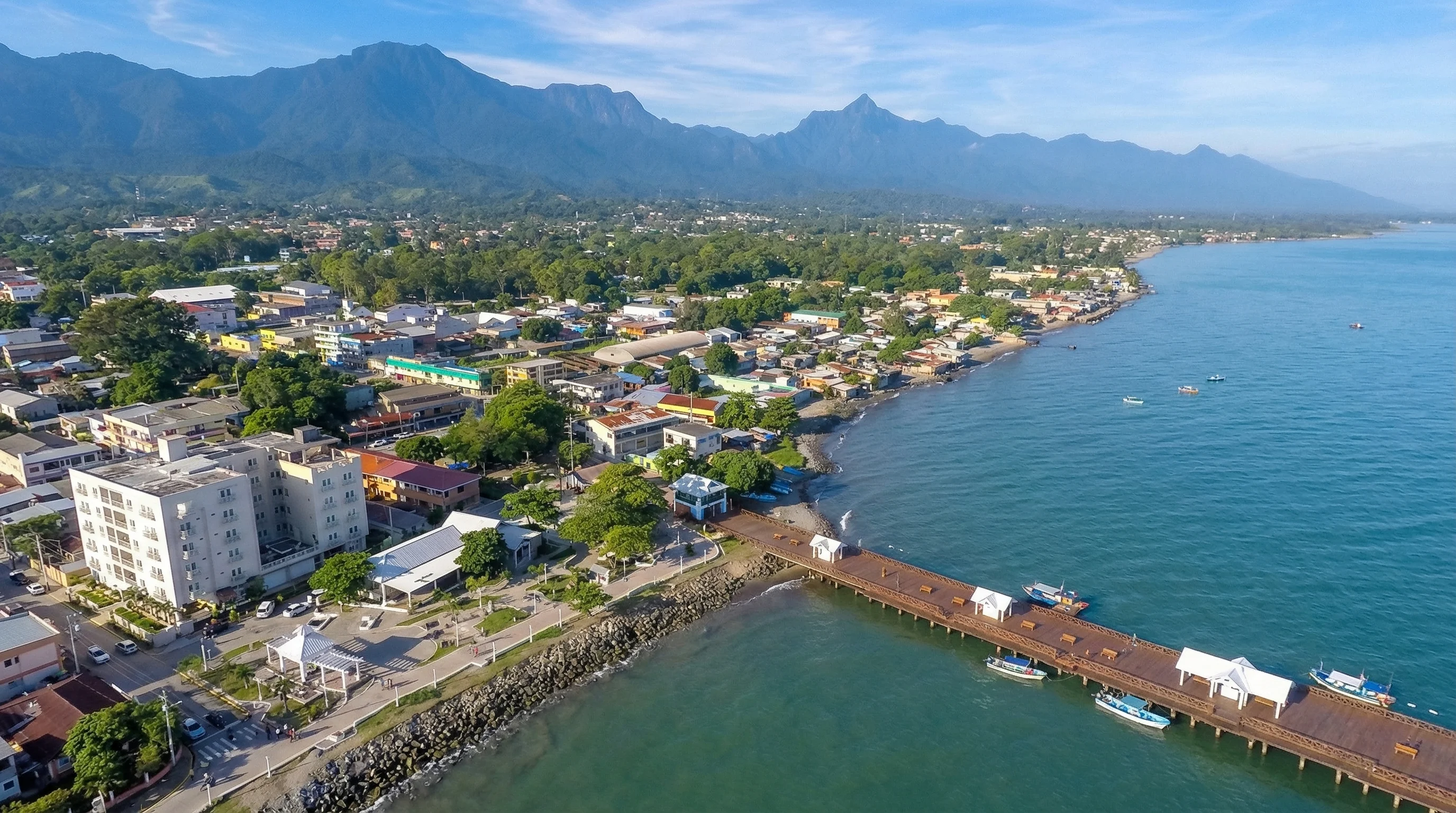
La Ceiba, located on Honduras's northern Caribbean coast, is a fundamental logistics and commercial gateway for Central America. Its strategic value is defined by its status as a major port city and the terminus of the CA-13 highway, which forms the backbone of north-south terrestrial connectivity through Honduras. The city and its surrounding Atlántida department are an economic powerhouse, driven by the nation's largest agricultural export industries, particularly banana and palm oil plantations, alongside significant coffee and timber production. A vibrant manufacturing sector, focused on apparel and food processing, also contributes to freight demand. Tourism is a major service industry that supports additional logistics needs. The Port of La Ceiba is a key facility for regional maritime traffic. For land transportation, the CA-13 highway provides the primary route south to San Pedro Sula and the rest of Honduras, connecting to the Pan-American network. This infrastructure positions La Ceiba as the crucial final-mile destination for FTL cargo entering Honduras and a transshipment point for wider Central American distribution.










