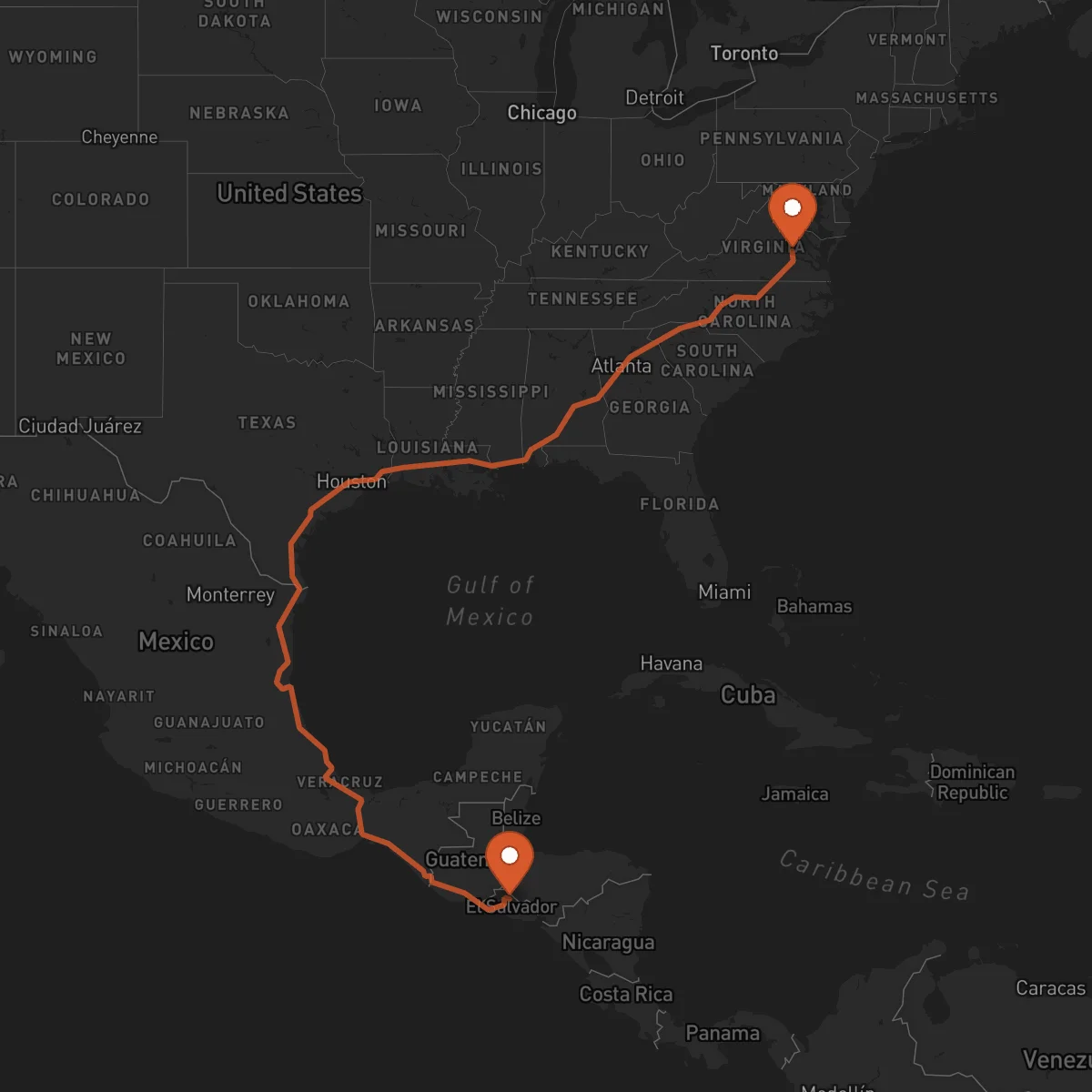
Richmond to Chalatenango
Chalatenango → RichmondFTL freight transportation service between Richmond and Chalatenango. Reliable logistics solutions for your business.
Route Description
Everything you need to know about the corridor Richmond - Chalatenango
The Richmond to Chalatenango corridor represents a vital North American logistics artery, bridging the industrial heartland of Virginia with the agricultural and growing manufacturing sectors of central El Salvador. This cross-border route is strategically significant for supply chains requiring reliable, full truckload (FTL) movement between the United States and Central America, bypassing the complexities of consolidated freight. The economic context is defined by robust bilateral trade, with the U.S. exporting manufactured goods, machinery, and consumer products, while importing coffee, sugar, textiles, and agricultural commodities from the region. Key industries leveraging this corridor include agriculture (coffee, grains), food and beverage processing, textiles and apparel, and construction materials. The transportation infrastructure relies on a seamless multi-country highway network. In the U.S., the corridor begins with connections to Interstate 95 and I-85 from Richmond. Southbound, it traverses the extensive U.S. interstate system to the Texas/Mexico border, then continues through Mexico via federal highways like Mexico 57 and 150. After crossing into Guatemala, the primary route follows the Pan-American Highway (CA-1) through Guatemala and into El Salvador, connecting to national routes leading to Chalatenango. Critical border crossings, such as those at the Mexico-Guatemala border (e.g., Tecun Uman/ Ciudad Hidalgo) and the Guatemala-El Salvador border (e.g., San Cristóbal Las Minas/ El Poy), require meticulous customs coordination. Control Terrestre facilitates these complex operations through our alliance of certified providers. Our partners hold key accreditations including C-TPAT and FAST for expedited U.S. border processing, and BASC for security standards in Central America. We manage the entire cross-border sequence, from U.S. pickup through Mexican transit, Guatemalan customs, and final delivery in Chalatenango, ensuring compliance and continuity with dedicated FTL equipment suited for the cargo type, whether dry van, refrigerated, or specialized.
Services for this Route
Available services for the corridor Richmond - Chalatenango
 Origin
Richmond
Richmond, Virginia, serves as a premier strategic logistics origin point on the U.S. East Coast. Its central location within the Commonwealth provides exceptional connectivity to major domestic markets via the Interstate 95 and I-64 corridors, and direct access to the Port of Virginia, one of the nation's most advanced container ports. This multimodal infrastructure supports efficient consolidation for long-haul trucking. The region's economy is diversified, with strong sectors in manufacturing (chemicals, pharmaceuticals, plastics), agriculture (tobacco, poultry), technology, and professional services. Major industrial parks and distribution centers surround the metro area, generating consistent demand for outbound FTL freight to national and international destinations. The available transportation infrastructure is robust, featuring a dense network of U.S. highways and interstates, extensive warehousing, and direct rail intermodal services. For cross-border corridors like the one to Chalatenango, Richmond's established logistics ecosystem allows for efficient staging and dispatch of full truckloads, connecting Mid-Atlantic production and distribution centers to southern border gateways for onward transit into Central America.
 Destination
Chalatenango
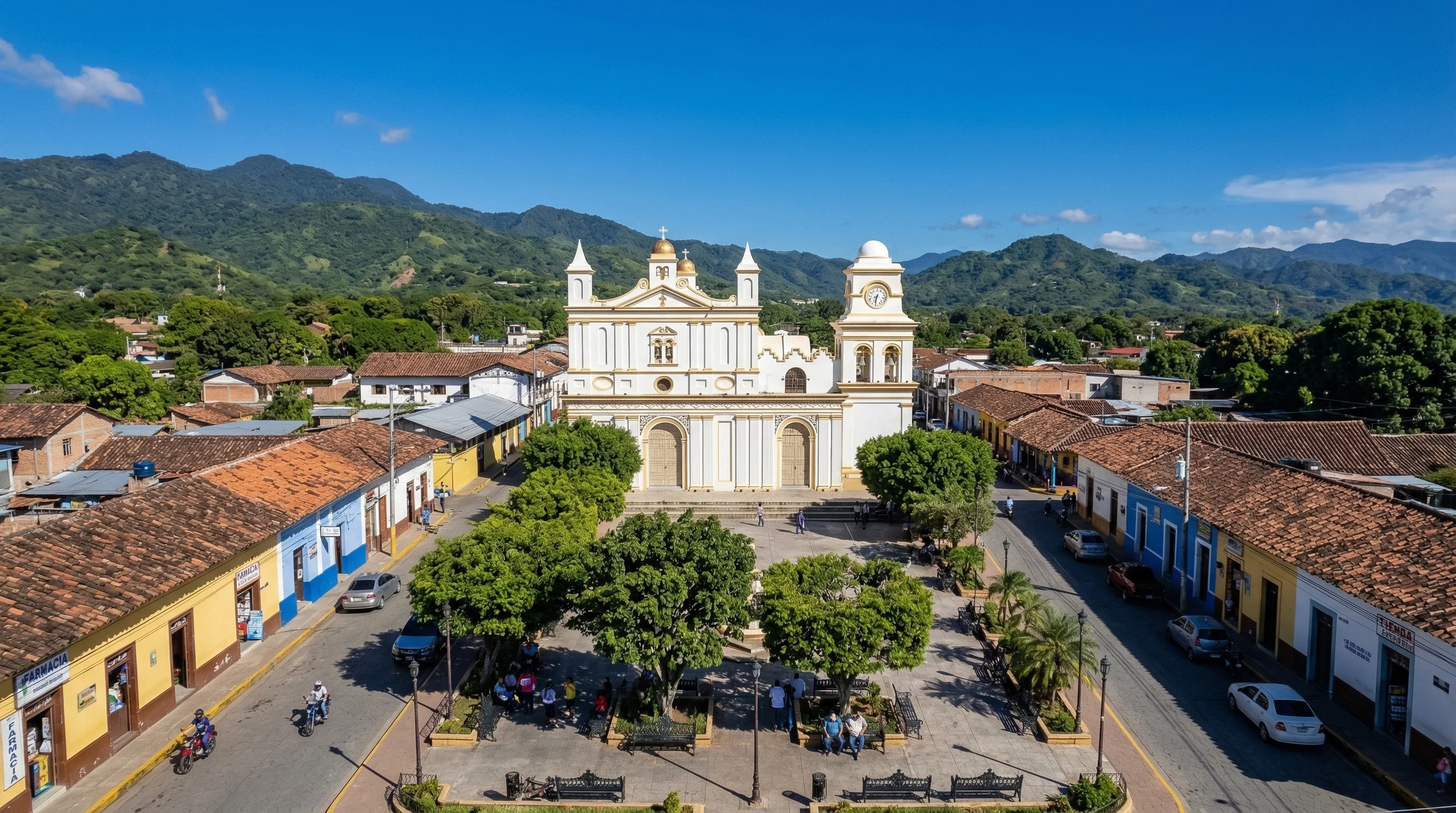
Chalatenango, the capital of the Chalatenango department in El Salvador, holds a strategic logistical position as a central hub in the country's northern highlands. It is a critical agricultural and commercial center for the region, well-connected by El Salvador's national road network to the capital, San Salvador, and the primary international port of Acajutla. This connectivity is essential for the import and distribution of goods throughout the northern departments. The local economy is predominantly driven by agriculture, with Chalatenango being a major producer of coffee, grains (corn, beans), and livestock. Additionally, there is growing activity in light manufacturing, textiles, and construction materials supply to support regional development. The available transportation infrastructure includes well-maintained primary roads (like the CA-4 and CA-1 networks) that link the municipality to key national arteries. For international freight, this means efficient last-mile connectivity from the main cross-border entry points (typically through Guatemala) to final delivery points within Chalatenango and its surrounding agricultural and industrial zones. The corridor's endpoint here is tailored for reliable door-to-door FTL service to support the area's production and supply chain needs.


Ready to ship your cargo?
Get a personalized quote for your freight.
Quote Now Richmond - Chalatenango








