Portland to Denver
Denver → PortlandFTL freight transportation service between Portland and Denver. Reliable logistics solutions for your business.
Route Description
Everything you need to know about the corridor Portland - Denver
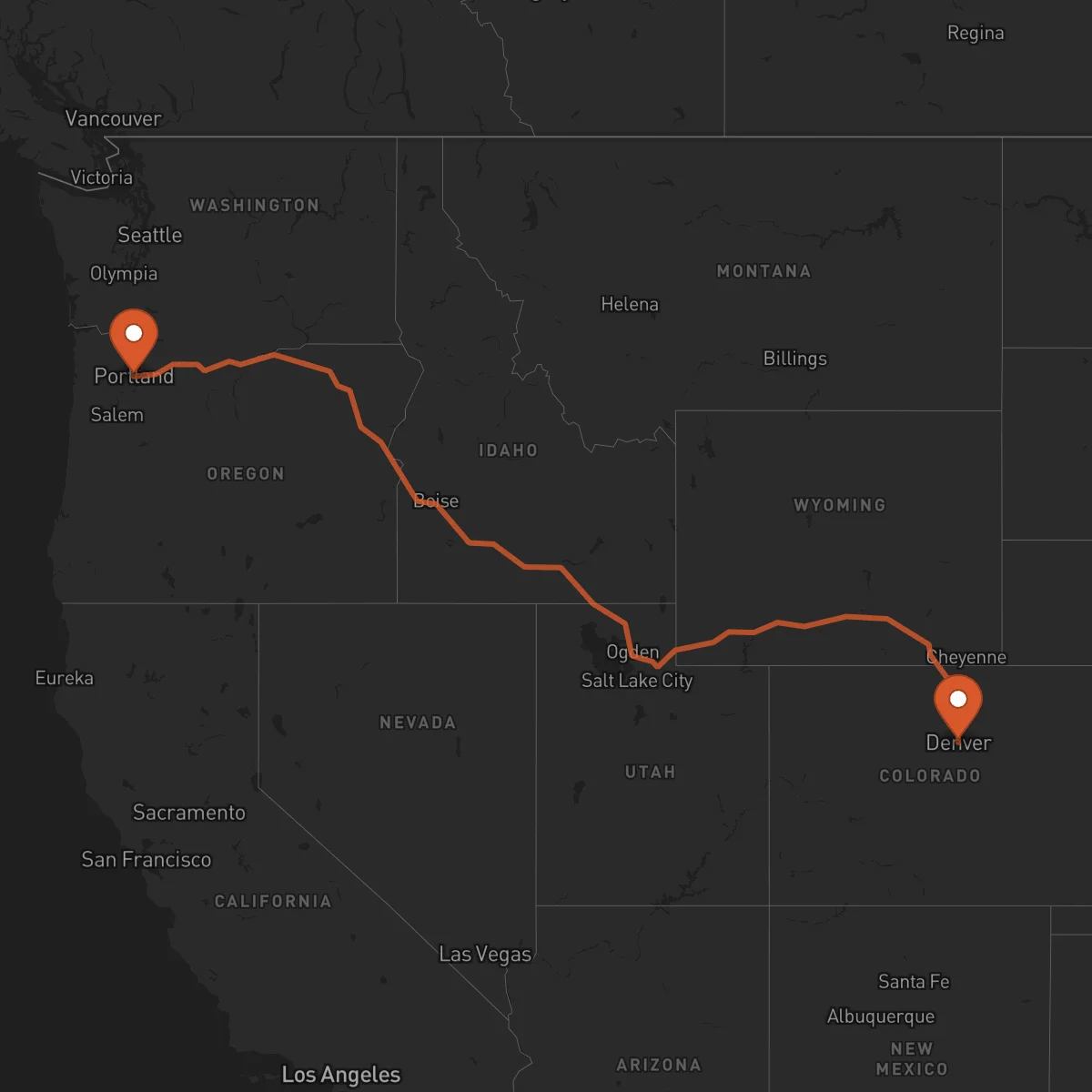
The Portland to Denver corridor represents a vital freight transportation link connecting the Pacific Northwest with the Rocky Mountain region. This 1,579 km route traverses diverse terrain, from the Columbia River Gorge through the Columbia Plateau, across the Snake River Plain, and over the Continental Divide. The corridor serves as a critical supply chain artery for industries requiring efficient movement of goods between these two major economic centers.
The economic significance of this route extends beyond simple point-to-point transportation. Portland's position as a major West Coast port and Denver's role as a central distribution hub for the Mountain West create substantial freight demand. This corridor facilitates the flow of goods from international markets through Portland's ports to inland destinations, while also supporting reverse logistics and regional distribution patterns. The route's strategic importance is amplified by its connection to major interstate highways and rail networks, making it a preferred choice for time-sensitive freight movements.
Control Terrestre leverages this corridor's infrastructure to provide reliable full truckload (FTL) transportation services. Our network of certified carriers ensures consistent capacity and service quality across the entire route. We understand the unique challenges of this corridor, from elevation changes to weather variations, and deploy appropriate equipment and routing strategies to maintain on-time delivery performance. Our dedicated service model means your freight receives exclusive use of the equipment, eliminating the risks associated with consolidated shipping.
This corridor particularly serves industries such as technology and electronics (moving between Portland's tech sector and Denver's growing tech hub), outdoor recreation equipment (capitalizing on both regions' strong outdoor markets), and agricultural products (utilizing Portland's port access and Denver's distribution network). Control Terrestre's expertise in handling specialized cargo, including temperature-sensitive shipments and oversized equipment, makes us the preferred partner for companies requiring consistent, high-quality transportation along this strategic route.
Services for this Route
Available services for the corridor Portland - Denver
 Origin
Portland
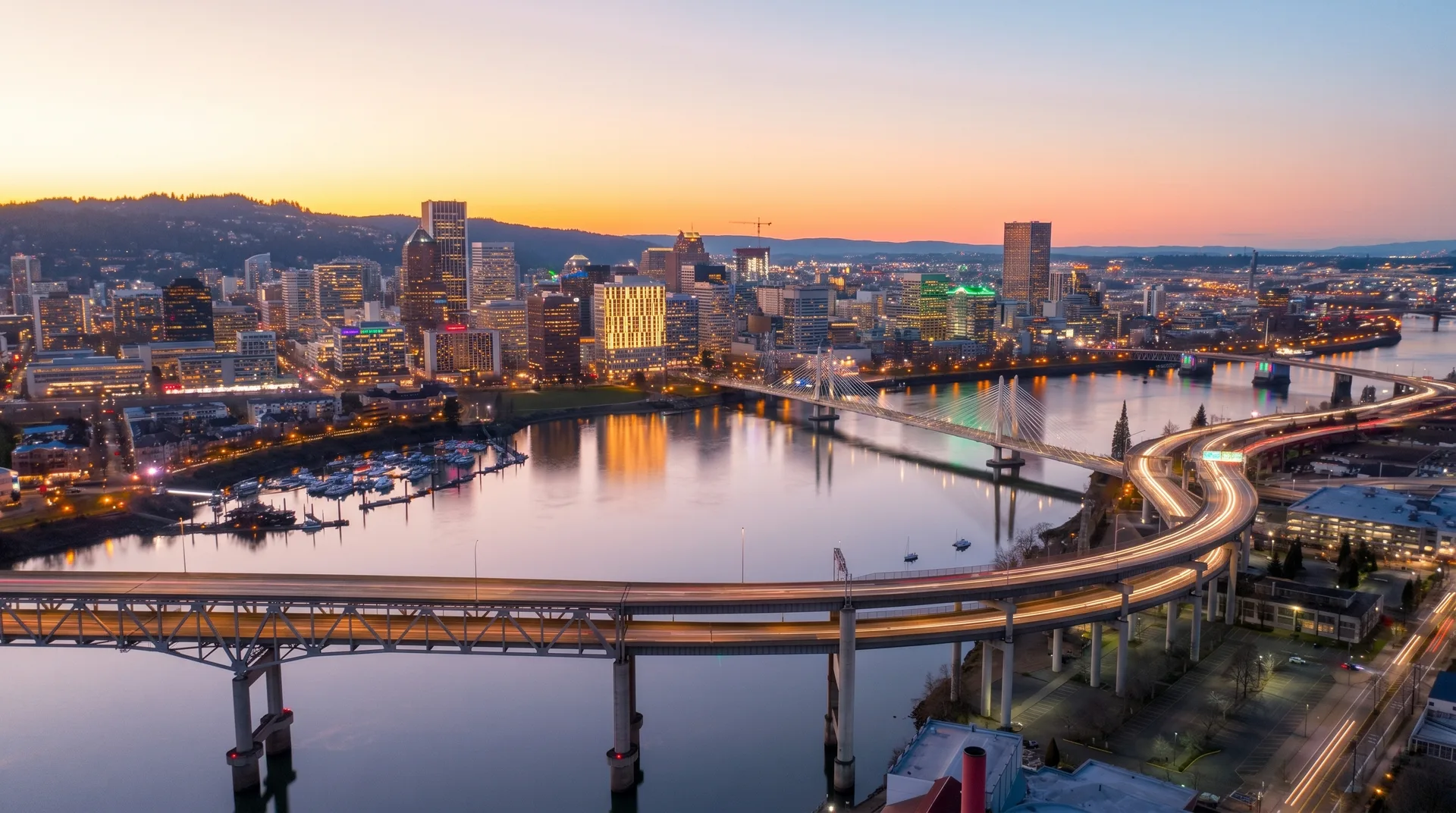
Portland, Oregon serves as a strategic logistics hub on the West Coast, offering unique advantages for freight transportation. The city's location at the confluence of the Willamette and Columbia Rivers provides multimodal access, combining port facilities with extensive highway and rail connections. Portland's transportation infrastructure includes major interstates I-5 and I-84, providing direct access to both coastal and inland destinations. The Port of Portland's marine terminals handle significant international cargo volumes, while the city's proximity to major West Coast ports enhances its role in global supply chains.
The region's economy is diverse, with strong sectors in technology, manufacturing, and agriculture. Portland's tech industry, particularly in software and clean technology, generates substantial freight demand for specialized equipment and components. The area's agricultural sector, including wine production and specialty foods, requires temperature-controlled transportation solutions. Additionally, Portland's role as a distribution center for major retailers and e-commerce companies creates consistent freight movement patterns that support year-round transportation needs.
 Destination
Denver
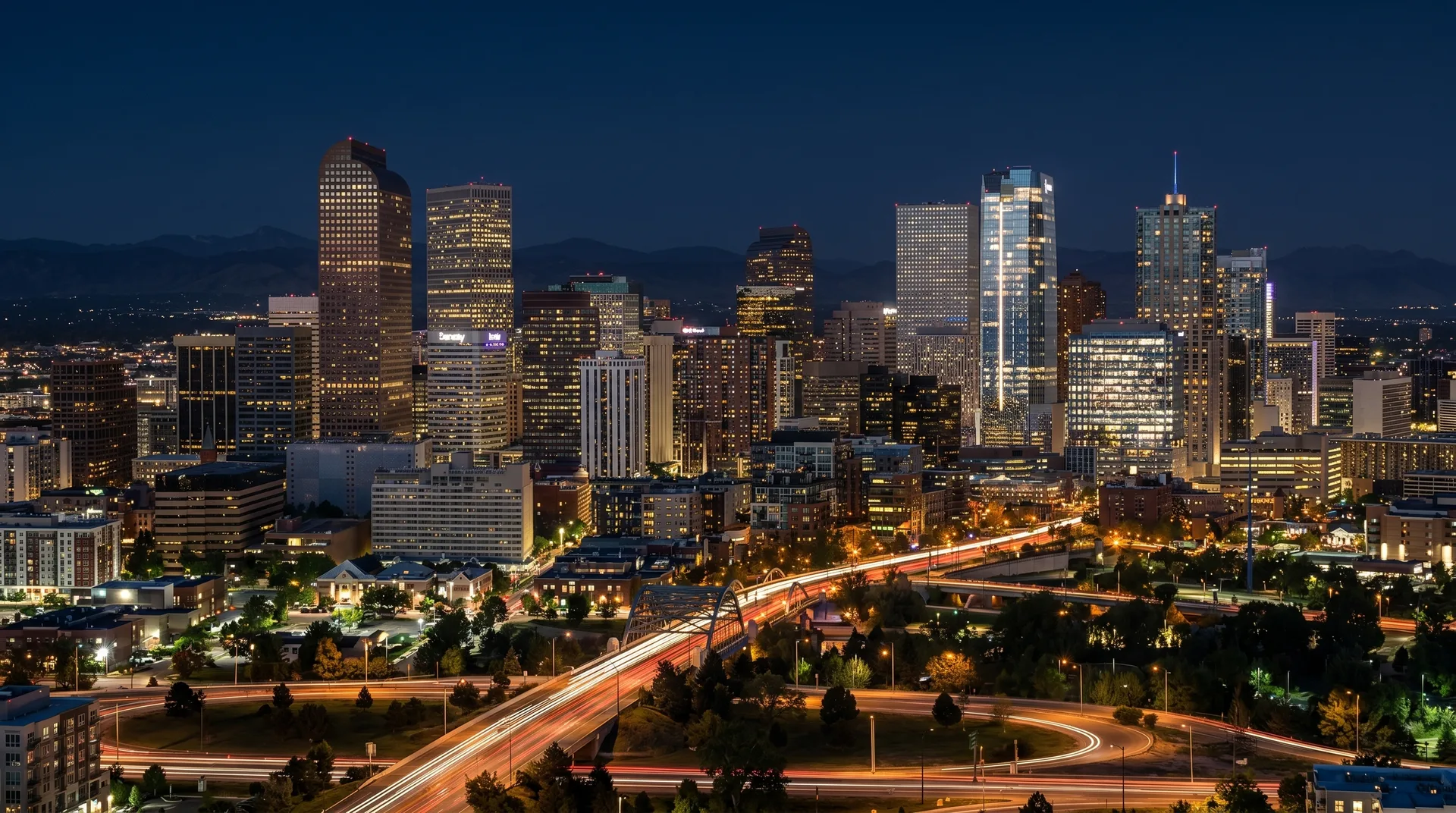
Denver, Colorado occupies a strategic position as the largest city in the Rocky Mountain region and serves as a critical logistics hub for the Mountain West. The city's location at the intersection of I-70, I-25, and I-76 creates a natural transportation crossroads, providing access to major markets across the western United States. Denver International Airport, one of the largest by land area in the world, complements the city's ground transportation infrastructure with extensive air cargo capabilities. The region's elevation and central location make it an ideal distribution point for companies serving multiple western states.
The Denver metropolitan area boasts a diverse and growing economy, with particular strength in aerospace, telecommunications, and energy sectors. The city's tech industry has experienced significant growth, creating demand for specialized freight services for equipment and components. Denver's role as a distribution center for major retailers and its proximity to outdoor recreation destinations generate consistent freight volumes for consumer goods and sporting equipment. The region's agricultural connections, particularly in beef production and specialty crops, support temperature-controlled transportation needs throughout the year.










