
Portland to Cartago
Cartago → PortlandFTL freight transportation service between Portland and Cartago. Reliable logistics solutions for your business.
Route Description
Everything you need to know about the corridor Portland - Cartago
The Portland-Cartago corridor represents a vital logistics link connecting the Pacific Northwest of the United States with the heart of Costa Rica's industrial region. This 5,410 km cross-border route traverses diverse terrains and international borders, facilitating the movement of goods between two economically significant regions. The corridor's strategic importance lies in its ability to connect North American manufacturing and technology sectors with Central American markets and distribution networks.
The economic dynamics along this route reflect the complementary nature of both regions' industries. Portland serves as a major hub for technology, advanced manufacturing, and sustainable products, while Cartago has developed as a key industrial center in Costa Rica, specializing in electronics assembly, medical devices, and agricultural processing. This creates a robust trade flow that benefits from the corridor's established infrastructure.
Key transportation infrastructure includes major interstate highways through the United States, connecting to Mexico's federal highways, and continuing through Central America's road network. The route typically involves crossing at major border points such as Laredo-Nuevo Laredo or Tijuana-Tecate, with subsequent passage through Guatemala and Nicaragua before reaching Costa Rica. Control Terrestre's expertise in managing cross-border documentation, customs procedures, and regulatory compliance ensures smooth transit across multiple jurisdictions, providing reliable full truckload (FTL) services that maintain cargo integrity throughout the journey.
Services for this Route
Available services for the corridor Portland - Cartago
 Origin
Portland
Portland, Oregon stands as a strategic logistics hub on the West Coast of the United States, benefiting from its proximity to major ports, international airports, and an extensive highway network. The city's location at the confluence of the Columbia and Willamette rivers provides multimodal transportation options, while its position serves as a gateway to both domestic and international markets. Portland's advanced infrastructure includes the Port of Portland, Portland International Airport, and direct access to Interstate 5, creating efficient connections for freight movement in all directions.
The region's economy is driven by technology, advanced manufacturing, and sustainable industries, with major employers in semiconductor production, athletic apparel, and renewable energy sectors. Portland has also established itself as a center for logistics and distribution, with numerous warehousing facilities and third-party logistics providers supporting regional and national supply chains. The city's commitment to sustainable practices extends to transportation, with companies increasingly seeking eco-friendly logistics solutions for their freight needs.
 Destination
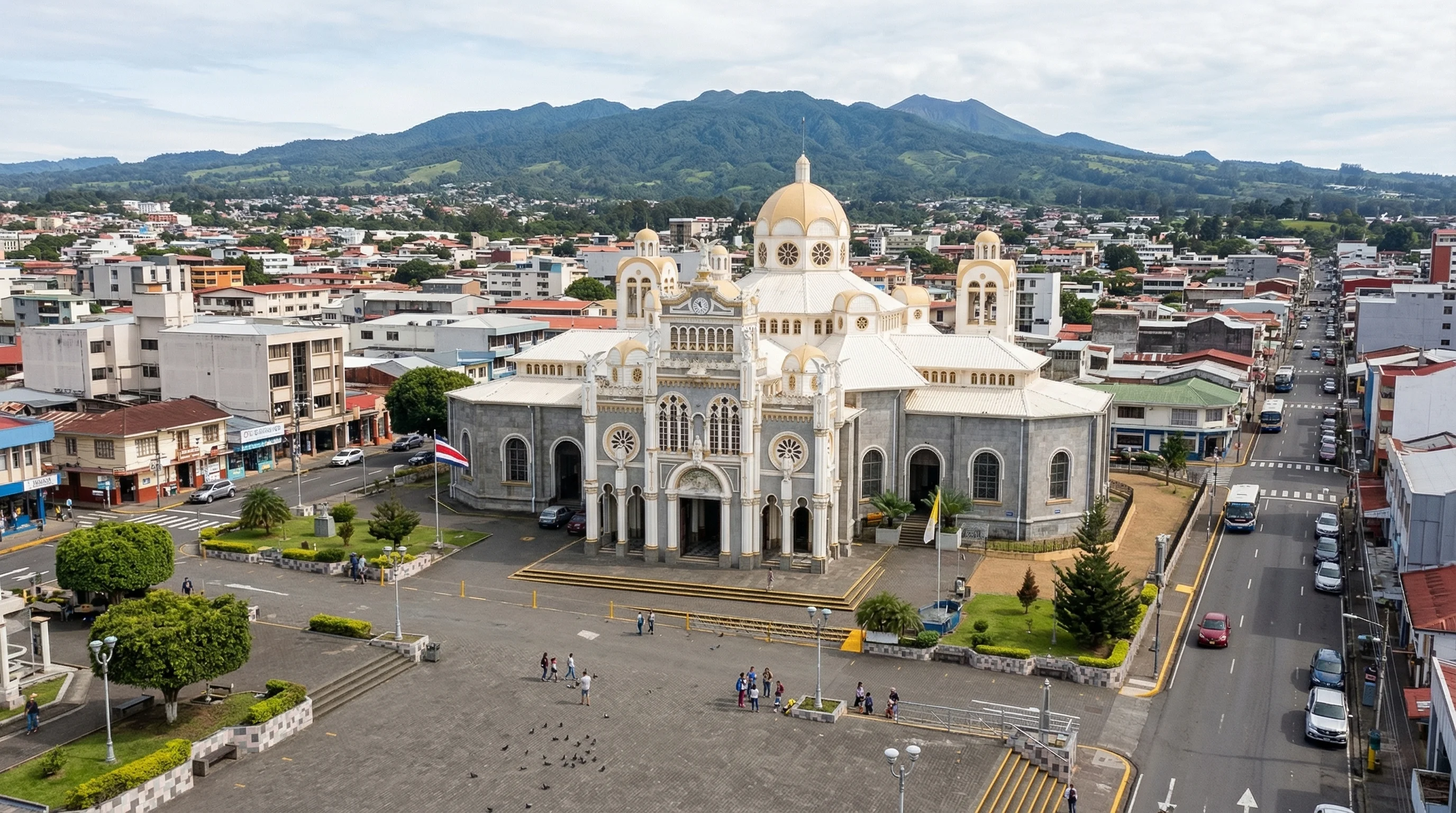
Cartago
Cartago, Costa Rica serves as a strategic industrial center in the heart of the country, located in the Central Valley region with excellent access to major transportation routes. Its position provides convenient connections to San José, the capital, and other key commercial centers, while its elevation and climate make it suitable for various industrial activities. The city benefits from well-maintained highways that connect to the Port of Limón on the Caribbean coast and the Pacific ports, creating multimodal logistics possibilities for international trade.
The region's economy is characterized by a strong industrial base, particularly in electronics manufacturing, medical device assembly, and food processing. Cartago hosts numerous free trade zone operations that attract international investment and create sophisticated supply chain requirements. The area's skilled workforce and proximity to educational institutions support advanced manufacturing capabilities, while the growing logistics sector provides the infrastructure needed to support both import and export activities for companies operating in the region.










