Portland to Austin
Austin → PortlandFTL freight transportation service between Portland and Austin. Reliable logistics solutions for your business.
Route Description
Everything you need to know about the corridor Portland - Austin
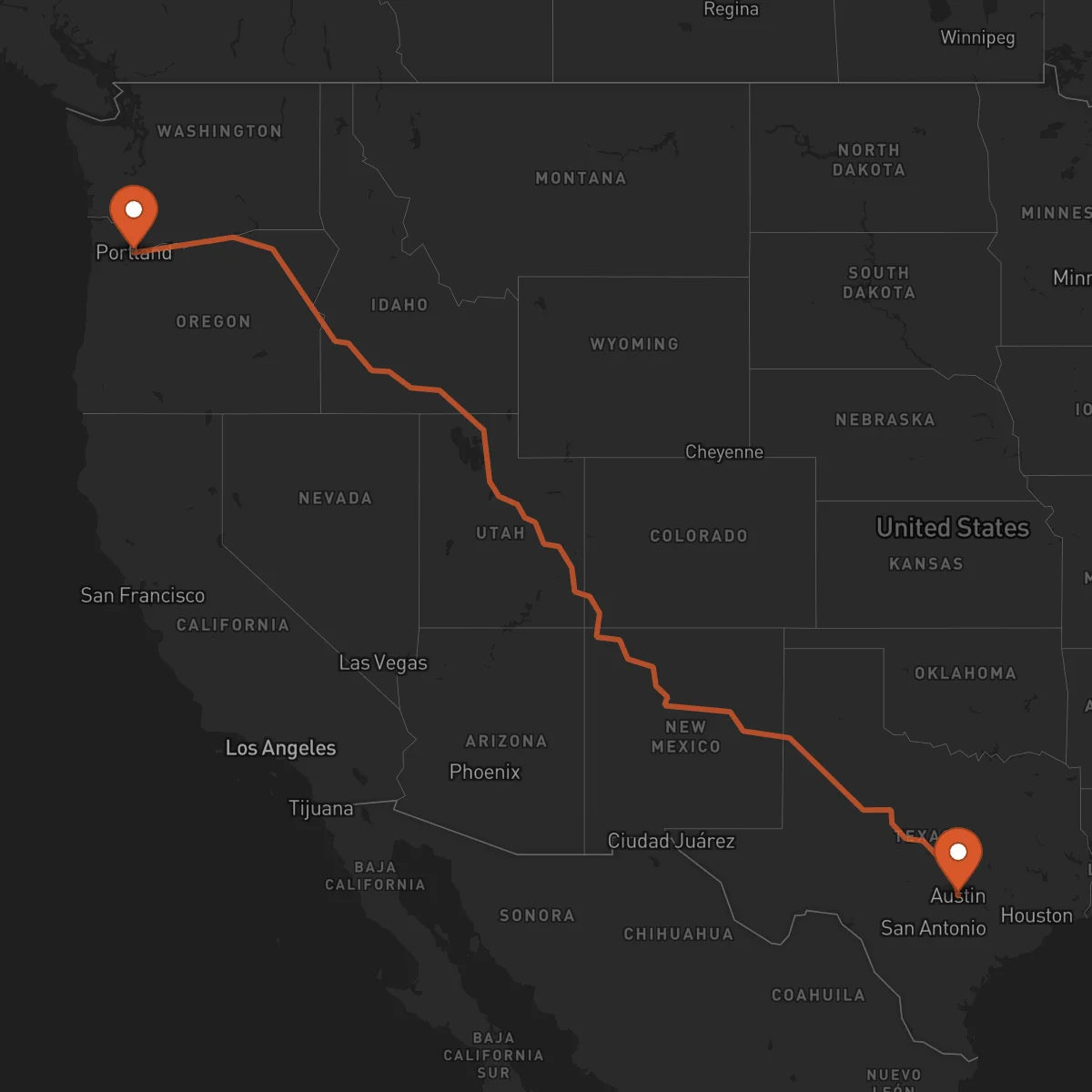
The logistics corridor between Portland, Oregon and Austin, Texas represents a critical freight transportation route spanning approximately 2,748 kilometers across the western and southern United States. This east-west corridor connects the Pacific Northwest's major port and industrial hub with Texas's rapidly growing technology and business center, facilitating the movement of diverse cargo types essential to both regional and national supply chains.
The corridor traverses key economic regions, passing through states including Oregon, Idaho, Utah, Colorado, New Mexico, and Texas. Major transportation infrastructure includes Interstate 84 and Interstate 80 across the western states, transitioning to Interstate 25 and Interstate 40 through the central regions, before connecting to Interstate 35 into Austin. This well-established highway network provides reliable freight movement capabilities year-round, though seasonal weather patterns in mountainous regions may require specialized equipment during winter months.
Control Terrestre facilitates seamless operations on this corridor through our network of certified transportation providers. We offer full truckload (FTL) services utilizing appropriate equipment types including dry vans for general cargo and refrigerated units for temperature-sensitive shipments. Our providers maintain critical certifications including C-TPAT and FAST, ensuring expedited processing at border crossings and compliance with all regulatory requirements throughout the journey.
Services for this Route
Available services for the corridor Portland - Austin
 Origin
Portland
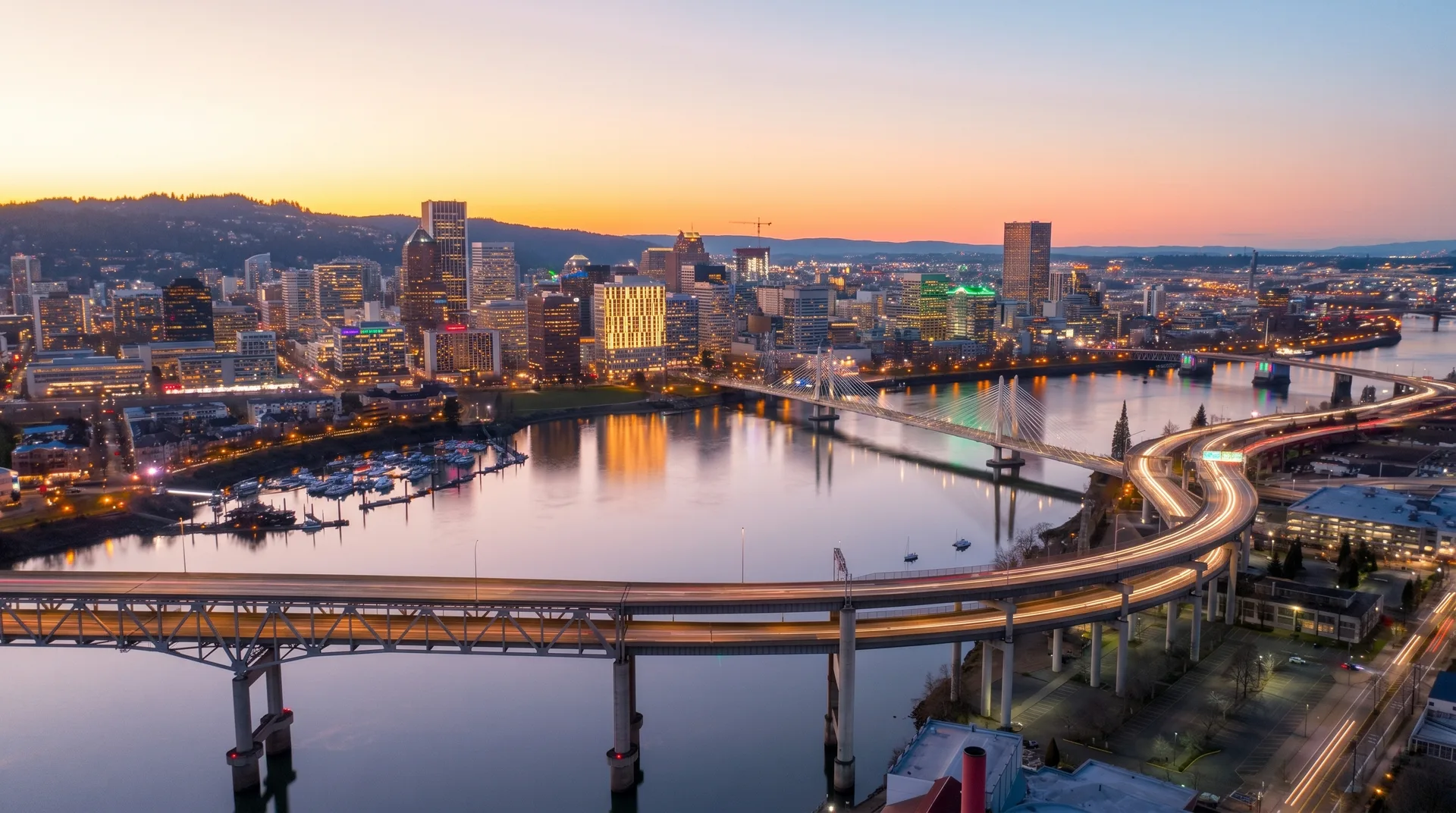
Portland, Oregon serves as a strategic logistics hub on the Pacific Northwest coast, offering exceptional connectivity for freight transportation. The city's location provides direct access to major West Coast ports, including the Port of Portland and nearby Port of Seattle, facilitating international trade and import/export operations. Portland's robust transportation infrastructure includes multiple interstate highways (I-5, I-84, I-405) and the Portland International Airport, creating a multimodal logistics network that efficiently connects to national freight corridors.
The region's economy is diverse, with strong presence in technology, manufacturing, and renewable energy sectors. Key industries include computer and electronic product manufacturing, transportation equipment, and food processing. Portland is also known for its sustainable business practices and green logistics initiatives, making it an ideal origin point for environmentally conscious supply chain operations.
 Destination
Austin
Austin, Texas has emerged as a strategic logistics and business center in the southern United States, experiencing rapid growth in both population and economic activity. The city's location in central Texas provides excellent distribution capabilities for serving the broader southern region, with proximity to major markets including Houston, Dallas, and San Antonio. Austin-Bergstrom International Airport and the surrounding highway network (I-35, SH-130 toll road) ensure efficient freight movement and connectivity to national transportation corridors.
The Austin metropolitan area has become a technology and innovation powerhouse, often referred to as "Silicon Hills" due to its concentration of tech companies and startups. Major industries include information technology, clean energy, biotechnology, and advanced manufacturing. The city's business-friendly environment and skilled workforce continue to attract companies across various sectors, creating consistent demand for reliable freight transportation services to support ongoing economic expansion.










