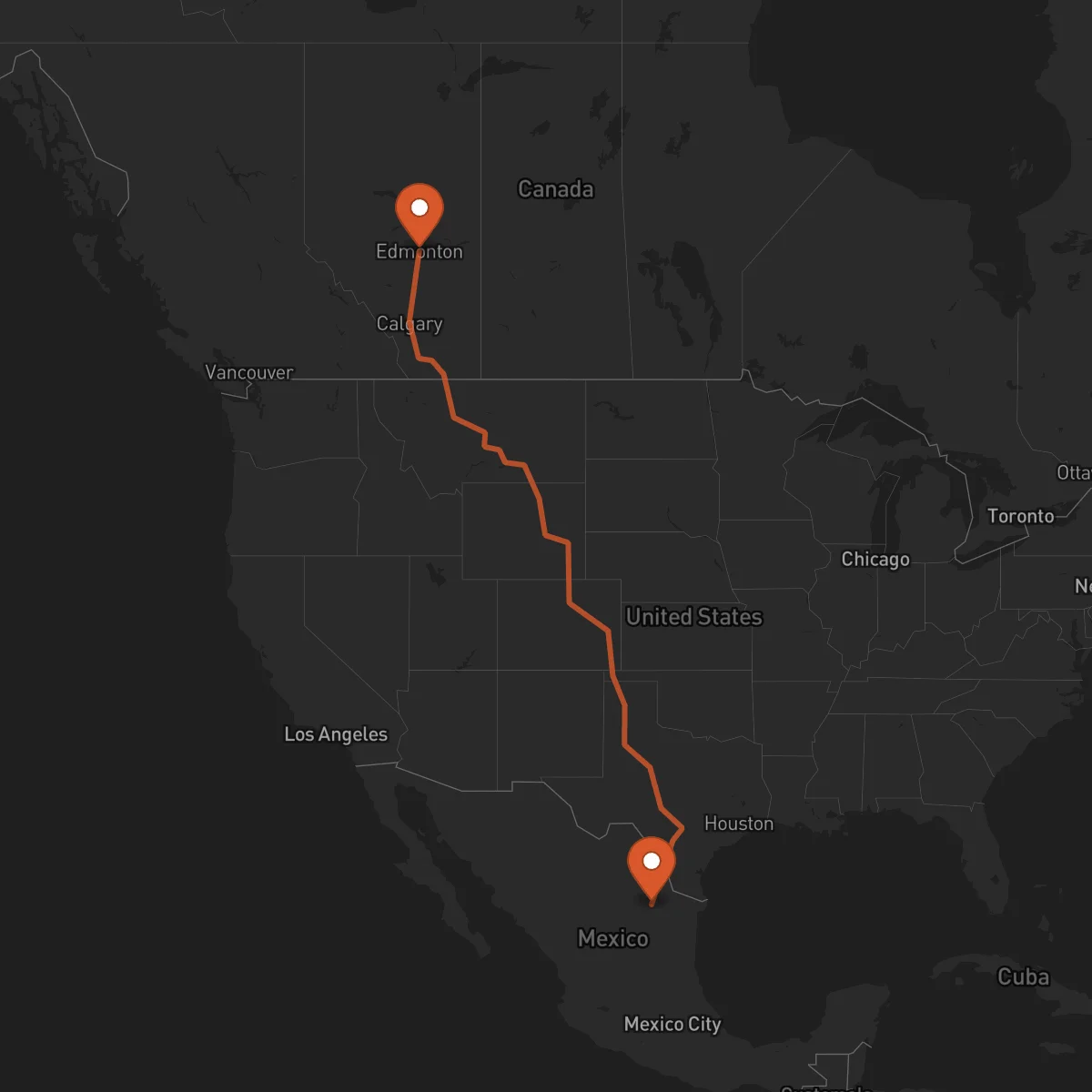
Monterrey to Edmonton
Edmonton → MonterreyFTL freight transportation service between Monterrey and Edmonton. Reliable logistics solutions for your business.
Route Description
Everything you need to know about the corridor Monterrey - Edmonton
The corridor connecting Monterrey, Nuevo León, Mexico, to Edmonton, Alberta, Canada, spans approximately 3,285 kilometers and represents one of the most strategically significant cross-border freight routes in North America. This corridor links two of the most dynamic industrial and manufacturing hubs on the continent, enabling companies to move full truckload shipments efficiently across international borders while leveraging the trade frameworks established under USMCA. As supply chains grow increasingly integrated across Mexico, the United States, and Canada, this route has become essential for businesses seeking reliable ground transportation solutions that connect northern Mexico's production centers with Canada's energy and agricultural heartland.
Monterrey serves as a natural gateway for exports originating from Mexico's industrial core, while Edmonton stands as a critical distribution point for Canada's oil sands region, petrochemical sector, and agricultural exports. The corridor traverses key interstate and provincial highways, including Mexico's Federal Highway 85 and Interstate 35 through Laredo, Texas, one of the busiest land ports of entry in North America, before continuing north through the central United States into Alberta's Highway 2. This route demands experienced logistics coordination at every border crossing, particularly at Laredo, where customs compliance, C-TPAT certification, and FAST documentation are essential for maintaining shipment integrity and transit efficiency.
The primary industries relying on this corridor include automotive parts manufacturing, steel and metal products, industrial machinery, refrigerated food products, and energy-sector equipment. Companies moving goods along this route require FTL services capable of handling diverse cargo types, from dry van and refrigerated units to specialized equipment such as flatbeds and tankers. Cross-border expertise is paramount, as shipments must navigate customs brokerage, regulatory compliance, and bilingual coordination to ensure seamless transitions between Mexican, U.S., and Canadian jurisdictions.
At Control Terrestre, we facilitate operations along this corridor through our alliance of experienced and strategic transportation providers. Our FTL services are designed to meet the unique demands of cross-border freight, offering dedicated solutions that prioritize cargo safety, regulatory compliance, and supply chain visibility. With certifications including C-TPAT, FAST, BASC, and Responsible Care, our network ensures that every shipment moving between Monterrey and Edmonton is handled with the professionalism and care your business requires.
Services for this Route
Available services for the corridor Monterrey - Edmonton
 Origin
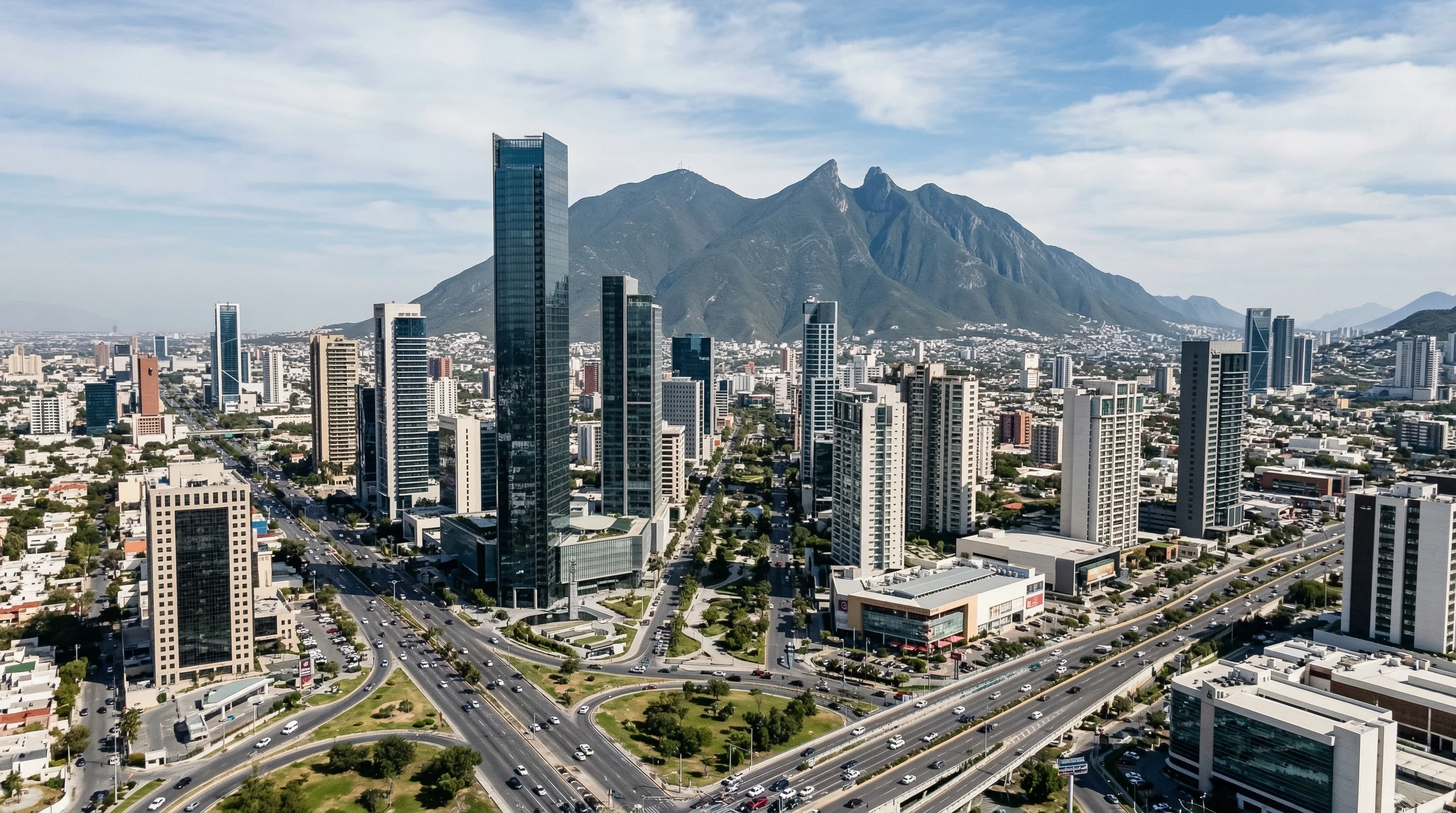
Monterrey
Monterrey, the capital of Nuevo León, stands as Mexico's industrial powerhouse and one of the most important logistics hubs in Latin America. Located in northeastern Mexico, the city benefits from its proximity to the U.S. border, with direct access to the Laredo port of entry, making it a natural starting point for cross-border freight operations. The metropolitan area hosts a robust manufacturing ecosystem, including automotive, steel, cement, glass, and food and beverage production. Its well-developed transportation infrastructure includes major highways connecting to the U.S. interstate system, rail connections, and multiple industrial parks designed to support export-oriented businesses. For companies shipping FTL freight from Monterrey, the city offers a strategic advantage for accessing North American markets.
 Destination
Edmonton, the capital of Alberta, serves as a vital logistics destination in western Canada, positioned at the heart of the country's energy sector and agricultural production region. The city is a key distribution center for oil sands equipment, petrochemical products, and grain exports, with strong connections to national and international supply chains. Edmonton's transportation infrastructure includes major highways such as Highway 2 and Highway 16, providing access to western Canadian ports and U.S. markets. The city's industrial base supports demand for specialized freight services, including tanker and flatbed transportation, making it an essential node for companies requiring reliable FTL solutions across the Canada-Mexico corridor.










