Edmonton to Monterrey
Monterrey → EdmontonFTL freight transportation service between Edmonton and Monterrey. Reliable logistics solutions for your business.
Route Description
Everything you need to know about the corridor Edmonton - Monterrey
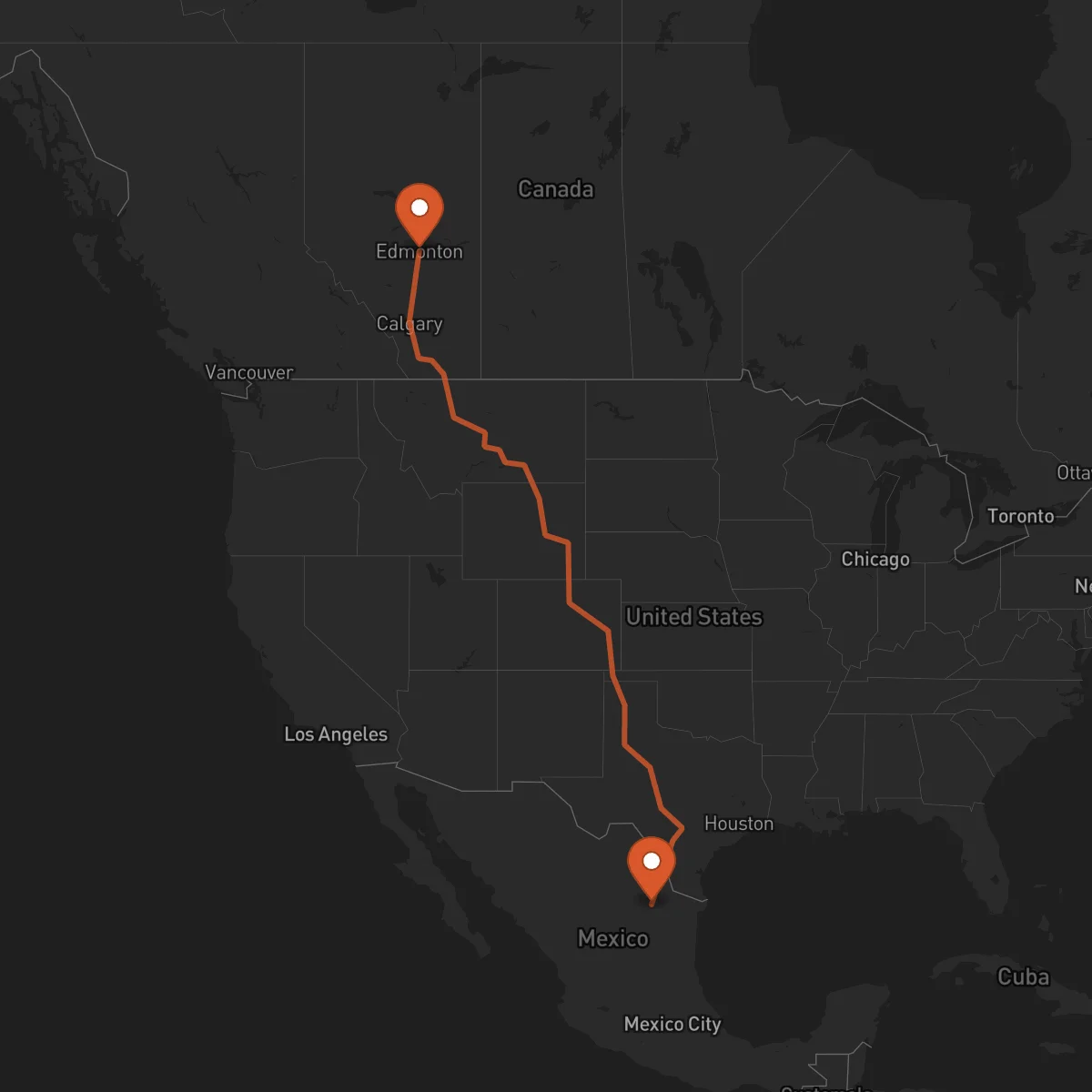
The Edmonton to Monterrey corridor represents a vital cross-border logistics connection between Canada and Mexico, spanning approximately 3,285 kilometers through diverse terrains and economic zones. This strategic route links the industrial heartland of Alberta with the manufacturing powerhouse of northeastern Mexico, facilitating the movement of goods between two major North American economic regions. The corridor traverses multiple states and provinces, crossing international borders at key points that require specialized customs expertise and documentation management.
The economic significance of this corridor is underscored by the complementary industrial strengths of both regions. Edmonton serves as a major hub for energy, manufacturing, and technology sectors, while Monterrey stands as Mexico's industrial capital, hosting numerous automotive, aerospace, and electronics manufacturing facilities. This creates a natural flow of raw materials, components, and finished goods between the two cities, with many companies operating integrated supply chains that span both locations.
Key transportation infrastructure along this route includes major highways such as Alberta Highway 2, Interstate 15, and Mexican Federal Highways 85 and 40. The primary border crossing at Laredo/Nuevo Laredo serves as the main gateway for freight movement, supported by extensive customs facilities and processing capabilities. Control Terrestre's expertise in cross-border operations ensures seamless navigation of customs procedures, regulatory compliance, and efficient freight handling throughout this complex international journey.
Services for this Route
Available services for the corridor Edmonton - Monterrey
 Origin
Edmonton, located in Alberta, Canada, serves as a strategic logistics hub in Western Canada, positioned at the crossroads of major transportation networks. The city benefits from its proximity to the Alberta Industrial Heartland, one of North America's largest hydrocarbon processing regions, which drives significant freight movement. Edmonton's well-developed infrastructure includes extensive highway networks, rail connections, and the Edmonton International Airport, facilitating efficient distribution of goods throughout Western Canada and beyond. The region's strong energy sector, manufacturing capabilities, and growing technology industry create diverse freight transportation needs, making it an ideal origin point for cross-border shipments to Mexico.
 Destination
Monterrey
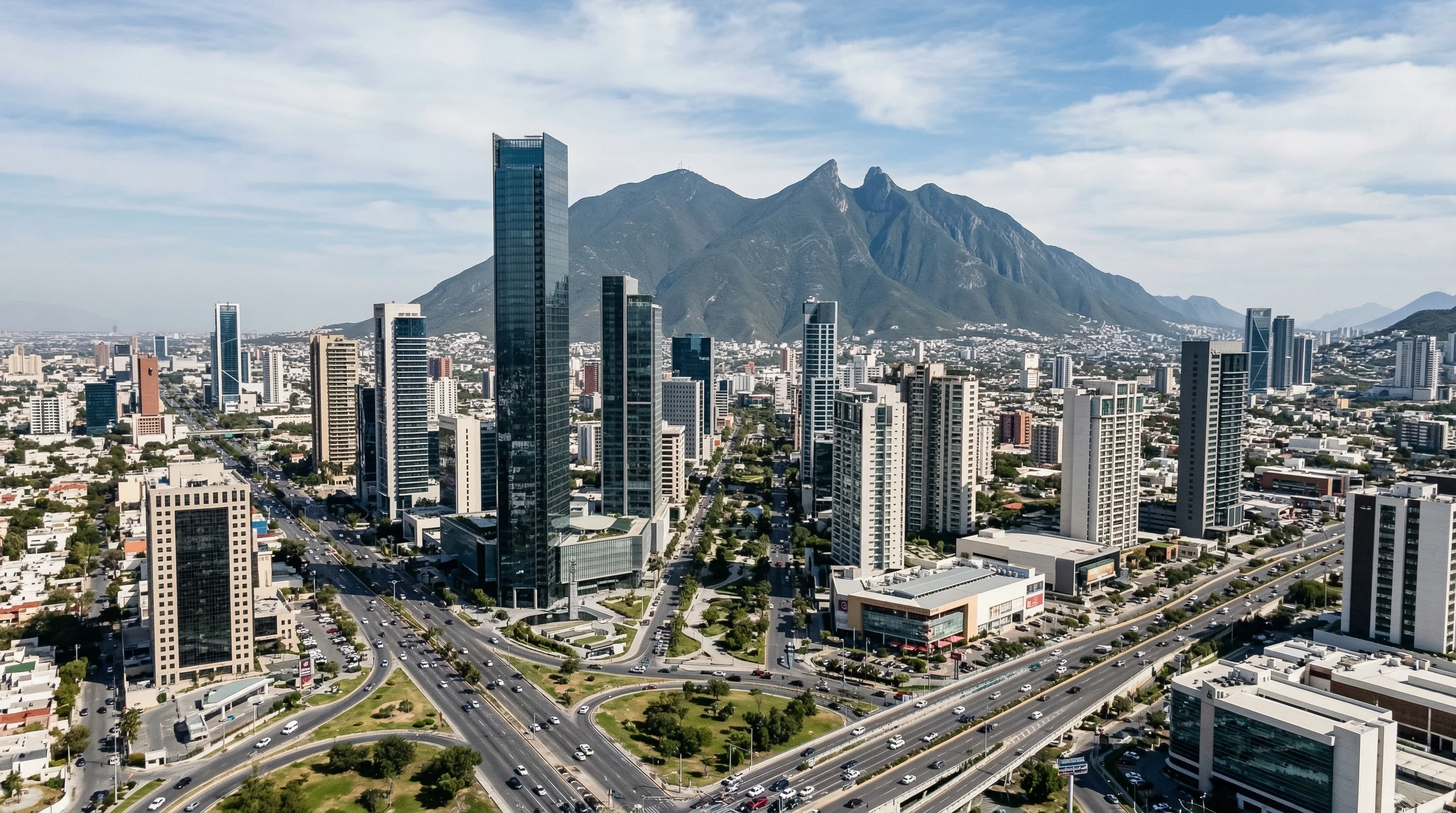
Monterrey, situated in Nuevo León, Mexico, stands as the industrial capital of the country and a key logistics center in northeastern Mexico. The city's strategic location provides excellent connectivity to major Mexican markets and serves as a gateway to both U.S. and Mexican industrial zones. Monterrey boasts a sophisticated transportation infrastructure, including the Monterrey International Airport, extensive highway networks, and rail connections that link to major ports and border crossings. The region's economic strength is driven by its concentration of automotive, aerospace, electronics, and manufacturing industries, creating substantial demand for reliable freight transportation services to support just-in-time production schedules and international supply chains.










