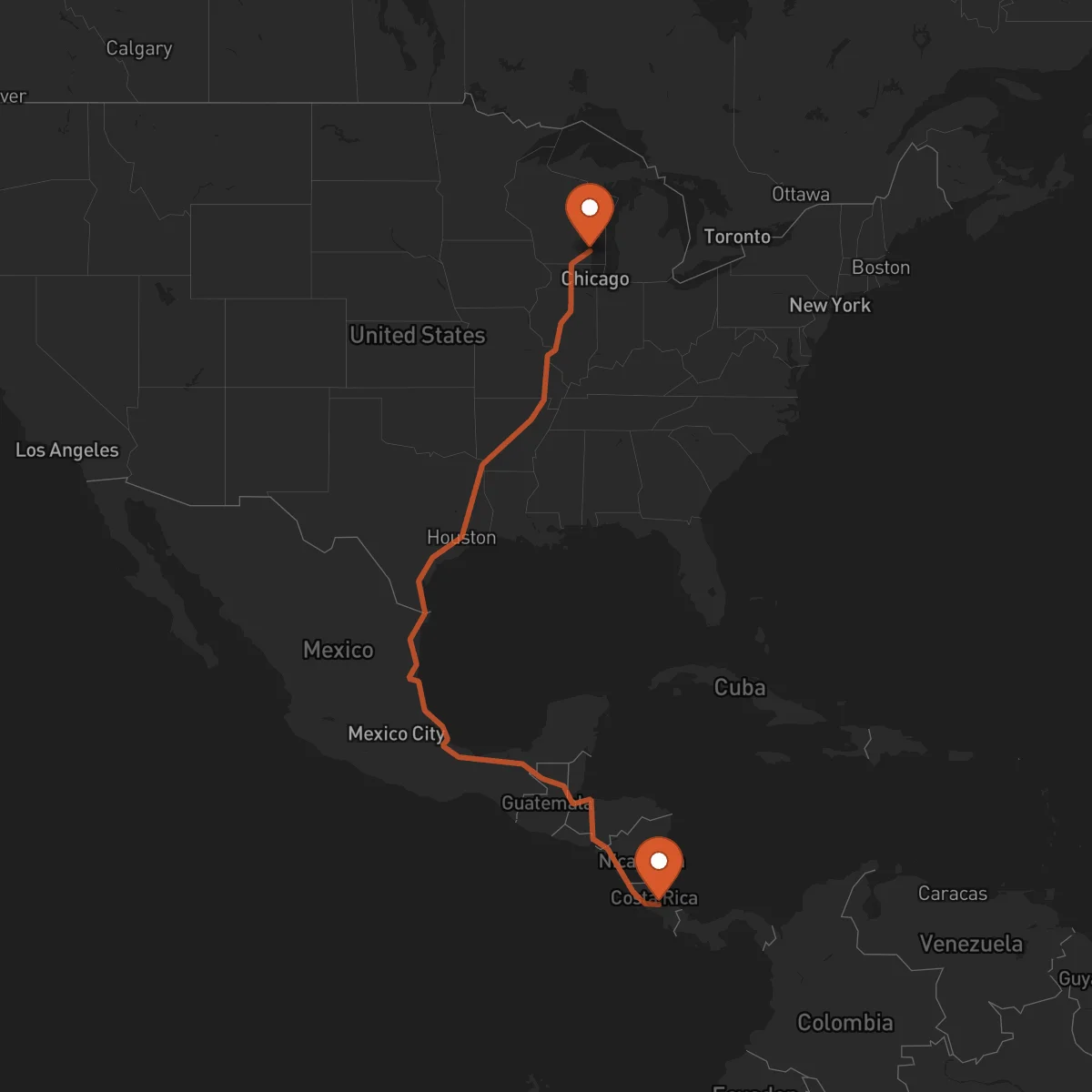
Milwaukee to Cartago
Cartago → MilwaukeeFTL freight transportation service between Milwaukee and Cartago. Reliable logistics solutions for your business.
Route Description
Everything you need to know about the corridor Milwaukee - Cartago
The Milwaukee-to-Cartago corridor represents a critical North-South logistics artery, bridging the industrial heartland of the United States with the dynamic economy of Central America. This cross-border route is strategically vital for supply chains requiring reliable, full truckload (FTL) connectivity between major manufacturing hubs and agricultural export centers. The corridor facilitates the flow of goods ranging from industrial components and machinery to temperature-sensitive products and raw materials, underpinning trade between the U.S. Midwest and Costa Rica's key commercial zones.
Economically, the corridor connects Milwaukee's robust manufacturing base—spanning automotive, machinery, and food processing—with Cartago's leadership in high-value agriculture (coffee, flowers, vegetables) and growing industrial parks. This link supports just-in-time manufacturing inputs and efficient export of perishable goods. The primary transportation infrastructure leverages the U.S. Interstate Highway System, notably I-94 and I-55, transitioning through major Mexican border crossings like Laredo/Colombia. From there, the route continues via Mexico's federal highways to the Guatemalan border, then through Central America on routes such as the Pan-American Highway (CA-1) to Costa Rica. Key border crossings require meticulous customs coordination, where certifications like C-TPAT, FAST, and BASC are essential for streamlined clearance and security compliance.
Control Terrestre facilitates seamless operations on this complex corridor through our alliance of certified providers. We manage the entire cross-border process, from origin pickup in Milwaukee to final delivery in Cartago, handling customs brokerage coordination, documentation, and compliance with U.S., Mexican, and Central American regulations. Our expertise in dedicated, expedited, and specialized cargo—including refrigerated and oversized loads—ensures tailored solutions for the unique demands of this route. By leveraging providers with FAST, C-TPAT, and BASC certifications, we mitigate border delays and enhance security, providing our clients with a single point of contact for a transparent, efficient, and human-centric logistics experience across nearly 3,709 kilometers.
Services for this Route
Available services for the corridor Milwaukee - Cartago
 Origin
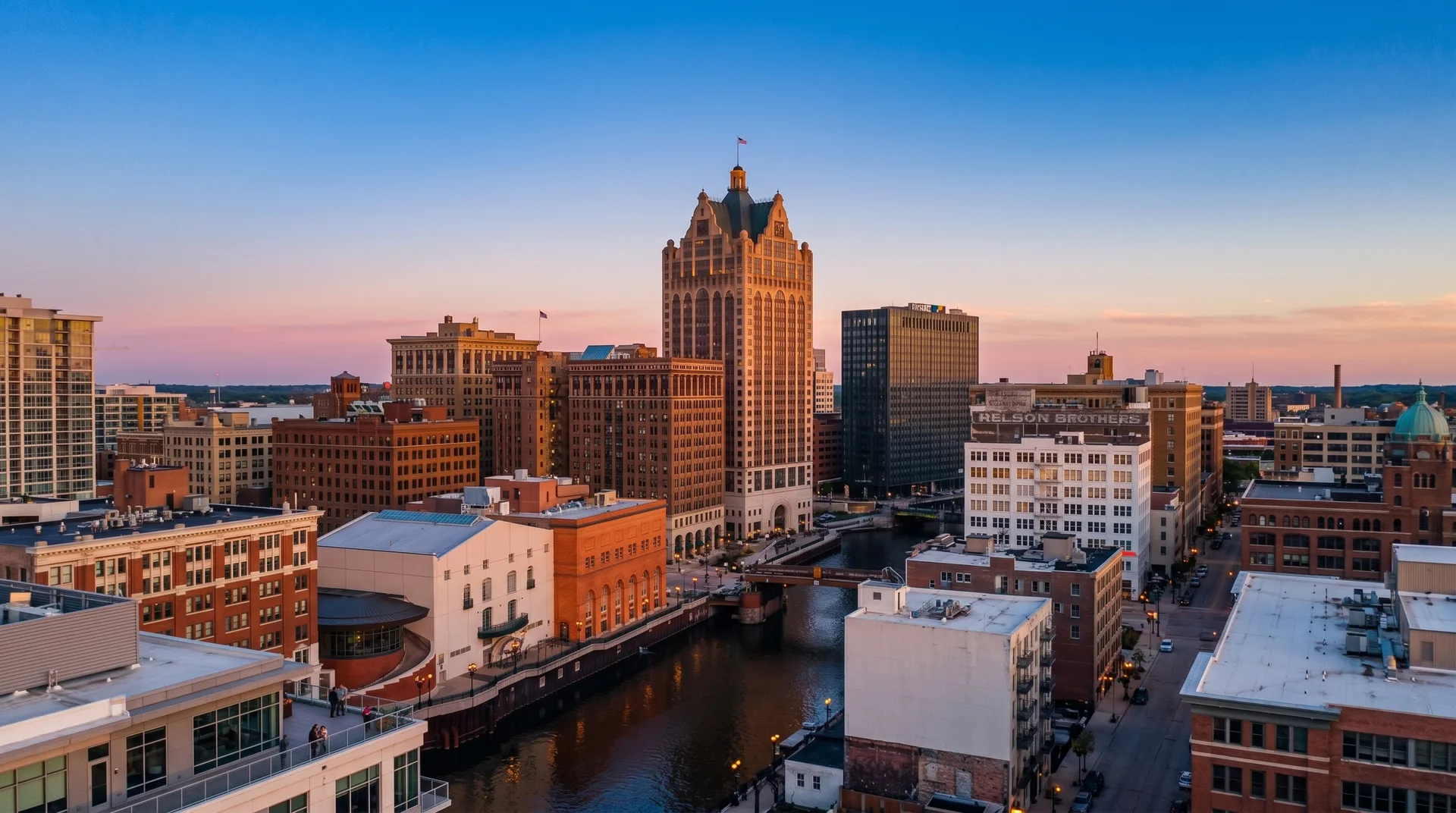
Milwaukee
Milwaukee, Wisconsin, is a strategic logistics powerhouse for the U.S. Midwest, anchored by its prime location on the western shore of Lake Michigan. This position offers multimodal advantages, including direct access to the Great Lakes-St. Lawrence Seaway system for waterborne freight and a dense network of interstate highways (I-94, I-43, I-41) that fan out across the region. The city is a major economic engine, with foundational industries in advanced manufacturing (automotive, machinery, metal fabrication), food and beverage production, and biotechnology. Its infrastructure is supported by the Port of Milwaukee, significant rail intermodal facilities, and Milwaukee Mitchell International Airport, creating a comprehensive hub for domestic and international freight distribution. For FTL transportation, Milwaukee serves as an ideal origin point, providing efficient gateways to both eastern and southern U.S. markets and, critically, to cross-border corridors leading into Mexico and beyond.
 Destination
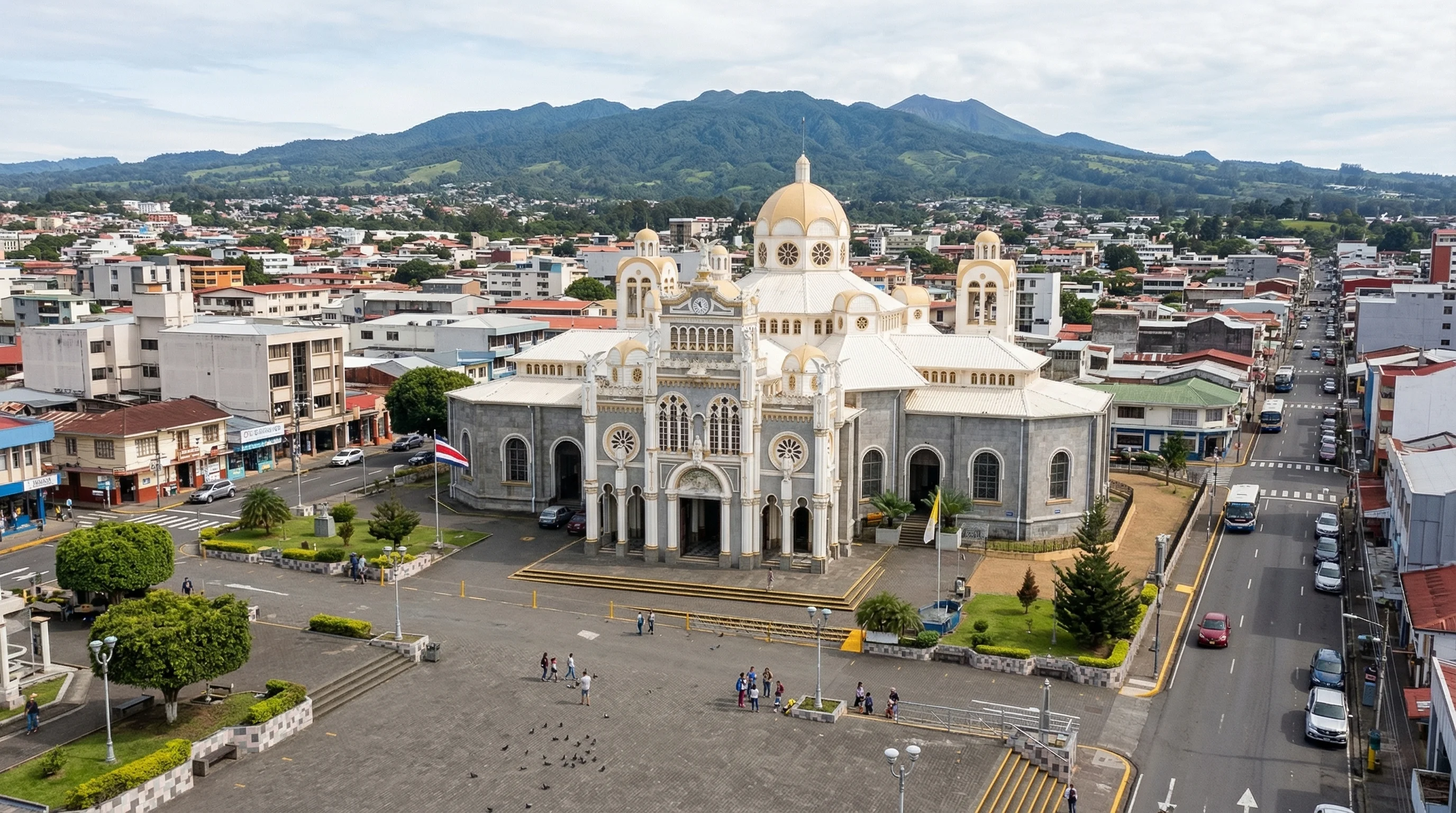
Cartago
Cartago, located in Costa Rica's fertile Central Valley, is a strategic logistics and industrial destination with a unique blend of agricultural prominence and manufacturing growth. Strategically situated just east of the capital, San José, it benefits from proximity to Juan Santamaría International Airport and major national routes like Route 1 (the Pan-American Highway) and Route 10, which provide direct land access to both Pacific and Caribbean ports (such as Limón). Economically, Cartago is a powerhouse in high-value agriculture, particularly coffee, flowers, and vegetables, which require sophisticated refrigerated transportation. The region also hosts important industrial parks focused on electronics, medical devices, and food processing, driving consistent demand for dedicated and specialized FTL services. Its infrastructure is tailored for time-sensitive cargo, with well-maintained highways connecting to key export points, making it a pivotal node for supply chains moving goods into and through Central America.










