Cartago to Milwaukee
Milwaukee → CartagoFTL freight transportation service between Cartago and Milwaukee. Reliable logistics solutions for your business.
Route Description
Everything you need to know about the corridor Cartago - Milwaukee
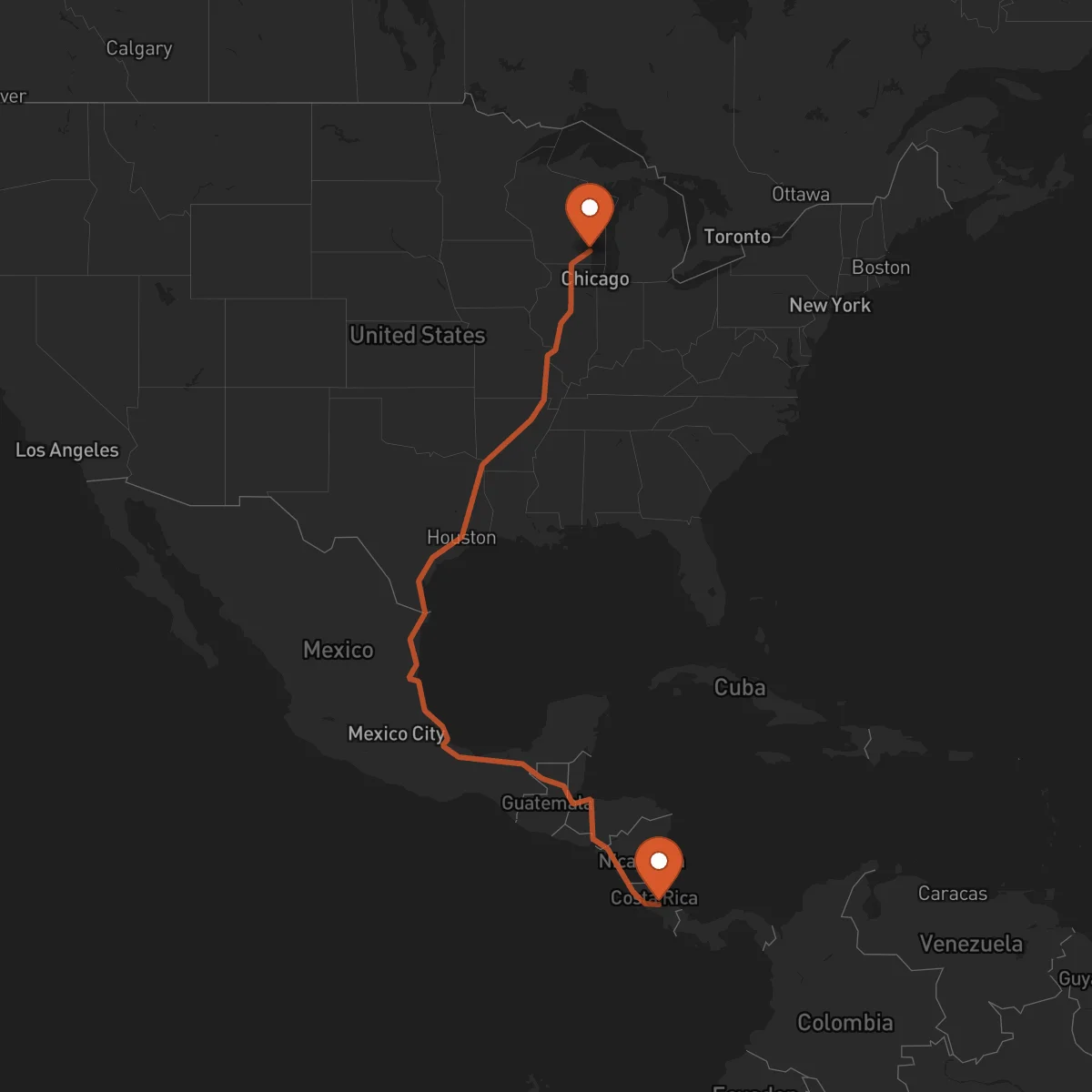
The Cartago to Milwaukee corridor represents a critical trade artery linking Costa Rican production centers with the industrial heartland of the U.S. Midwest. This cross-border route facilitates the movement of goods across multiple jurisdictions, connecting Central American export economies with major North American manufacturing and distribution hubs. Strategically, it supports supply chain resilience by providing a terrestrial alternative to maritime routes, enabling faster transit for time-sensitive and high-value cargo.
Economically, the corridor serves dynamic regions. Costa Rica's economy, particularly in Cartago, is driven by high-value agriculture like coffee and bananas, alongside robust electronics and medical device manufacturing. Milwaukee, historically a manufacturing powerhouse, hosts significant industries including brewing, heavy machinery, food processing, and healthcare technology. The flow typically includes agricultural exports, electronic components, and manufactured goods northbound, with machinery parts and raw materials moving southbound, creating a balanced trade lane.
Key industries leveraging this corridor include agribusiness (coffee, produce), technology manufacturing, and industrial equipment suppliers. The transportation infrastructure relies on a sequence of major highways: in Costa Rica, Routes 1 and 2 connect to northern borders; through Central America, segments of the Pan-American Highway; in Mexico, federal toll roads like the 150D and 57; and in the U.S., the Interstate system, predominantly I-94 from Chicago to Milwaukee, supplemented by I-41. The route involves multiple border crossings, such as Peñas Blancas (Costa Rica-Nicaragua), various points between Central American nations, and major Mexico-U.S. gateways like Laredo or El Paso, each with distinct customs procedures.
Control Terrestre streamlines operations on this complex corridor through our alliance network of certified providers. Our partners hold critical accreditations including C-TPAT, FAST, and BASC, which expedite customs clearance and enhance security. We offer dedicated full truckload (FTL) solutions, including refrigerated for perishables, specialized equipment for oversized or hazardous cargo, and expedited options. By managing door-to-door logistics, documentation, and cross-border compliance, we provide a seamless, efficient service that aligns with our commitment to being a human-centric and environmentally responsible logistics partner.
Services for this Route
Available services for the corridor Cartago - Milwaukee
 Origin
Cartago
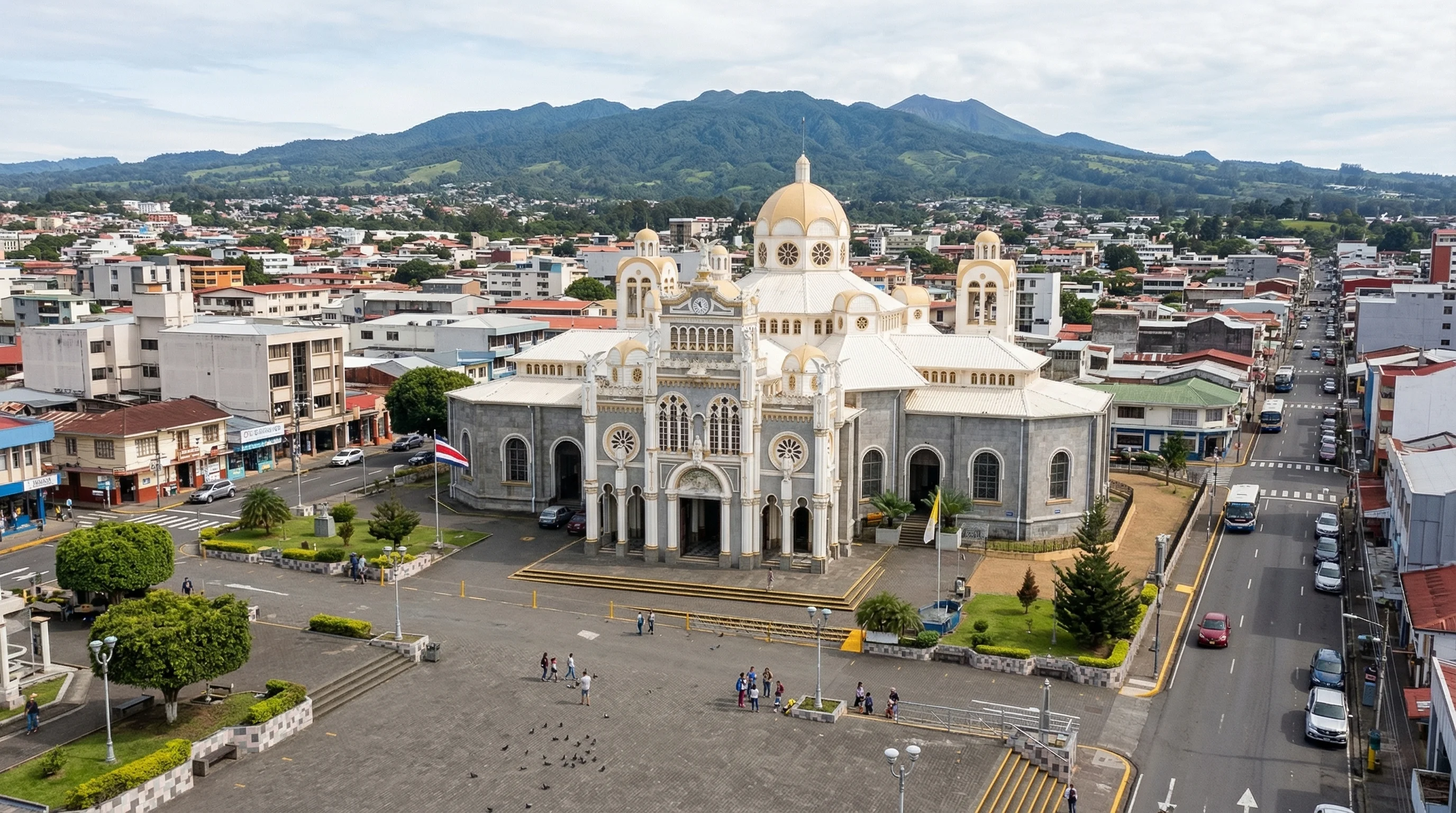
Cartago, located in Costa Rica's Central Valley approximately 25 kilometers east of San José, serves as a pivotal logistics origin due to its strategic position within the country's primary agricultural and industrial zone. The province benefits from proximity to Juan Santamaría International Airport and Pacific ports like Caldera, though overland freight to the U.S. typically routes northward through Liberia to the Peñas Blancas border crossing with Nicaragua.
Economically, Cartago is renowned for its high-quality coffee production, a major export commodity. Additionally, the area hosts significant electronics assembly operations (including facilities for global tech firms), textile manufacturing, and food processing industries. This export-oriented economic profile generates consistent demand for reliable freight services to North American markets.
Transportation infrastructure within Costa Rica is well-developed, with National Route 1 providing a direct link to the Caribbean port of Limón and Route 2 connecting to the Pacific coast. For international land transport, the network extends through the Pan-American Highway via Liberia. While domestic roads are efficient, the multi-country transit necessitates expert coordination for border crossings and customs, which Control Terrestre manages through its vetted provider network.
 Destination
Milwaukee
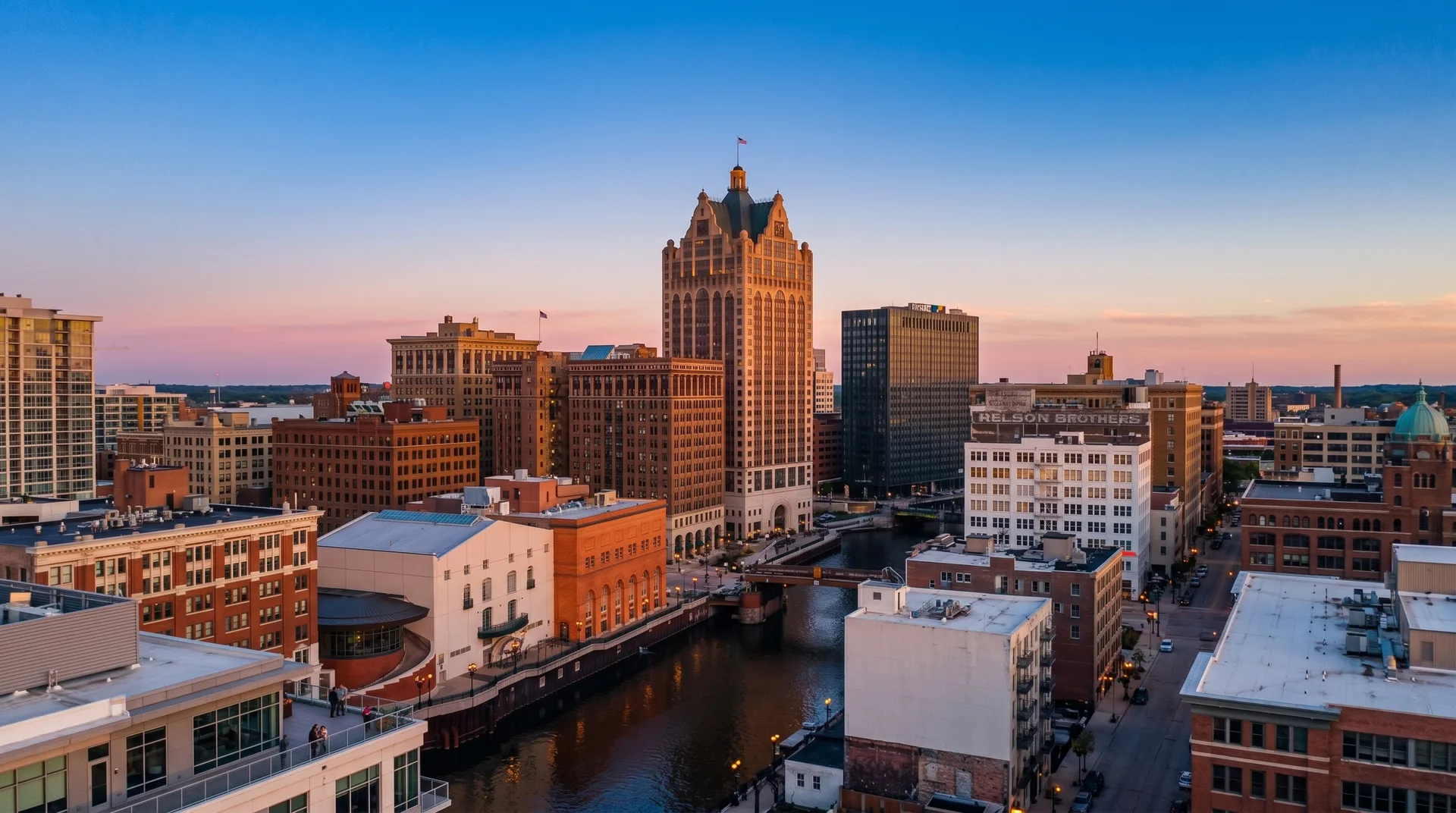
Milwaukee, Wisconsin, is a strategic logistics destination on the western shore of Lake Michigan, functioning as a vital distribution and manufacturing hub for the U.S. Midwest. Its location offers multimodal advantages, including access to the Great Lakes-St. Lawrence Seaway via the Port of Milwaukee and a robust highway network that connects to major markets like Chicago, Detroit, and Minneapolis.
The city's economy is anchored in diverse manufacturing sectors: it is a global center for brewing (home to Miller and Molson Coors headquarters), heavy machinery (Harley-Davidson, Caterpillar), food processing (Kraft, Oscar Mayer), and healthcare technology. These industries require steady inbound flows of raw materials, components, and specialized equipment, as well as outbound distribution of finished goods.
Key transportation infrastructure includes Interstate 94, the primary east-west corridor linking Milwaukee to Chicago and Detroit, and Interstate 41, which runs north to Green Bay. The Port of Milwaukee handles bulk and break-bulk cargo, supporting intermodal transfers. As a central node in the regional supply chain, Milwaukee's freight demands are characterized by a mix of standard dry van, refrigerated, and specialized equipment, all efficiently managed within Control Terrestre's service framework.










