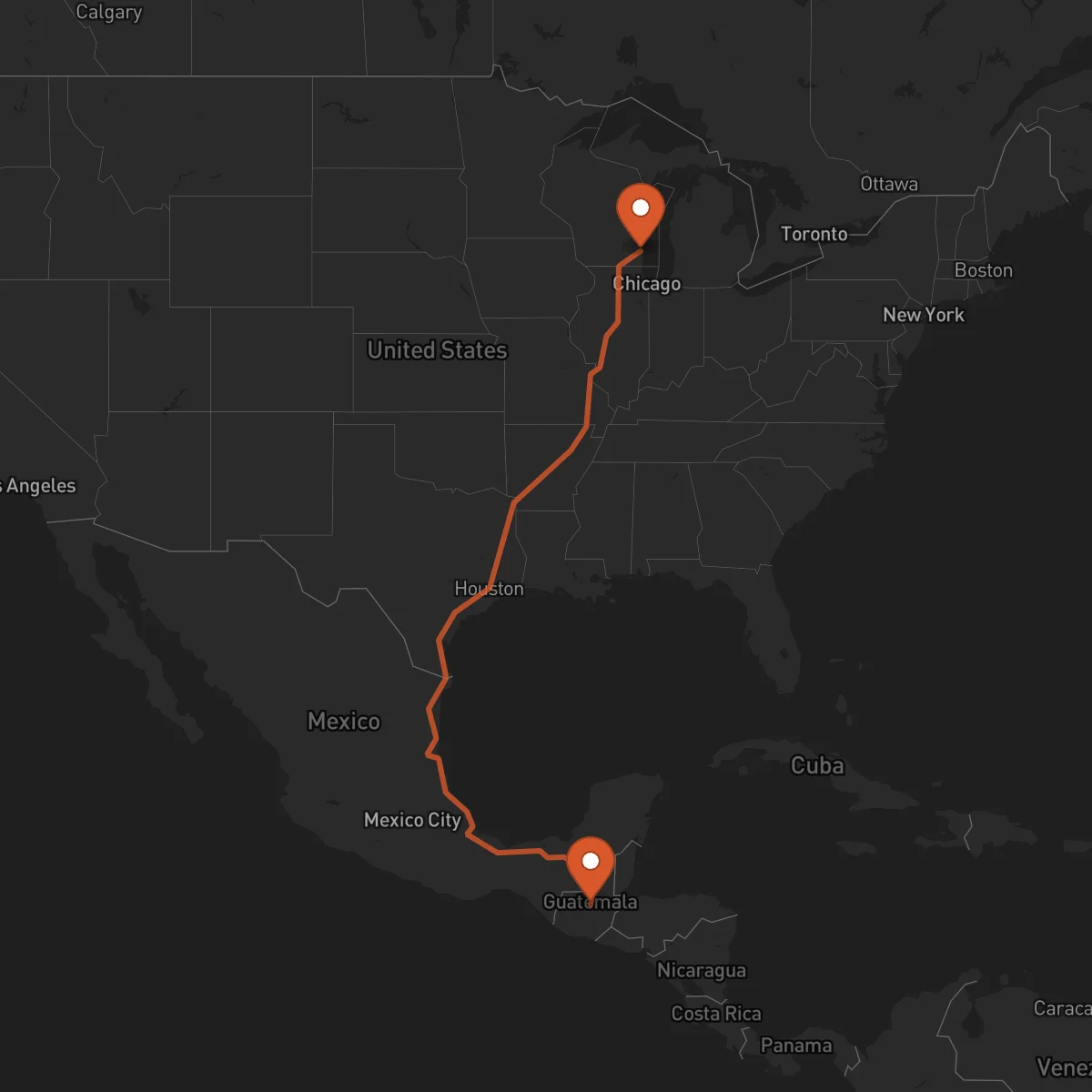
Milwaukee to Cobán
Cobán → MilwaukeeFTL freight transportation service between Milwaukee and Cobán. Reliable logistics solutions for your business.
Route Description
Everything you need to know about the corridor Milwaukee - Cobán
The Milwaukee to Cobán corridor represents a critical North American-Central American logistics link, connecting the industrial heartland of the United States with the agricultural export zones of Guatemala. This cross-border route is strategically vital for moving full truckload (FTL) cargo efficiently across diverse regulatory and geographic landscapes, serving as a backbone for trade between the Midwest and Central America. The economic context is driven by the robust manufacturing and agricultural output of Wisconsin and the high-value crop production of Guatemala's Alta Verapaz region. Key industries leveraging this corridor include agricultural processors (coffee, cardamom, bananas), industrial machinery manufacturers, and consumer goods distributors requiring reliable north-south connectivity. The primary transportation infrastructure relies on the U.S. Interstate Highway System, notably I-94 south from Milwaukee, transitioning through Texas before entering Mexico. The route continues south via Mexican federal highways, crossing the Mexico-Guatemala border at formal crossings like Ciudad Hidalgo/Tecún Umán. From there, Guatemalan highways such as the CA-13 provide the final leg to Cobán. Navigating this corridor requires expertise in U.S., Mexican, and Guatemalan customs protocols, including compliance with C-TPAT, FAST, and BASC standards to streamline border processes. Control Terrestre facilitates seamless operations on this corridor through our strategic alliance of certified carriers. We provide dedicated FTL solutions, managing all cross-border documentation, customs coordination, and transit oversight. Our network's certifications in Clean Transportation and Responsible Care ensure secure and compliant movement of standard, refrigerated, and specialized cargo, offering clients a single point of contact for this complex international route.
Services for this Route
Available services for the corridor Milwaukee - Cobán
 Origin
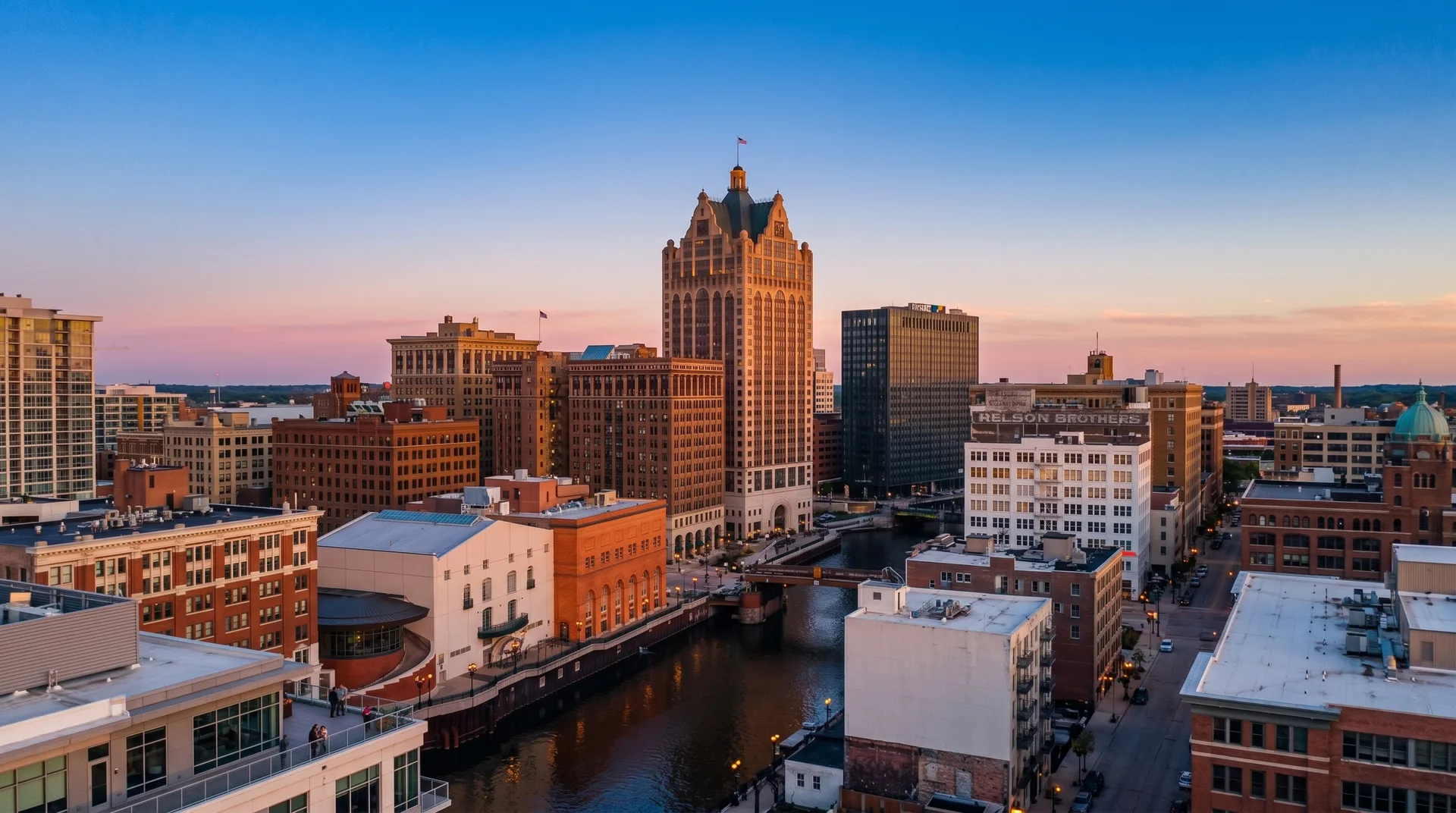
Milwaukee
Milwaukee, Wisconsin, serves as a pivotal logistics origin point due to its central location within the U.S. industrial Midwest and its access to the Great Lakes-St. Lawrence Seaway system. The city is a major hub for advanced manufacturing, particularly in sectors like industrial machinery, food processing, and healthcare products. Its economic strength is supported by a dense network of suppliers and distributors. The available transportation infrastructure is world-class, featuring direct access to Interstate 94, which provides a direct east-west corridor to Chicago and a primary southbound route toward the Mexico border. Milwaukee also benefits from a significant port on Lake Michigan, offering multimodal options, and is served by major rail carriers and Milwaukee Mitchell International Airport for air cargo integration. This robust infrastructure makes it an optimal consolidation point for FTL shipments destined for Central America.
 Destination
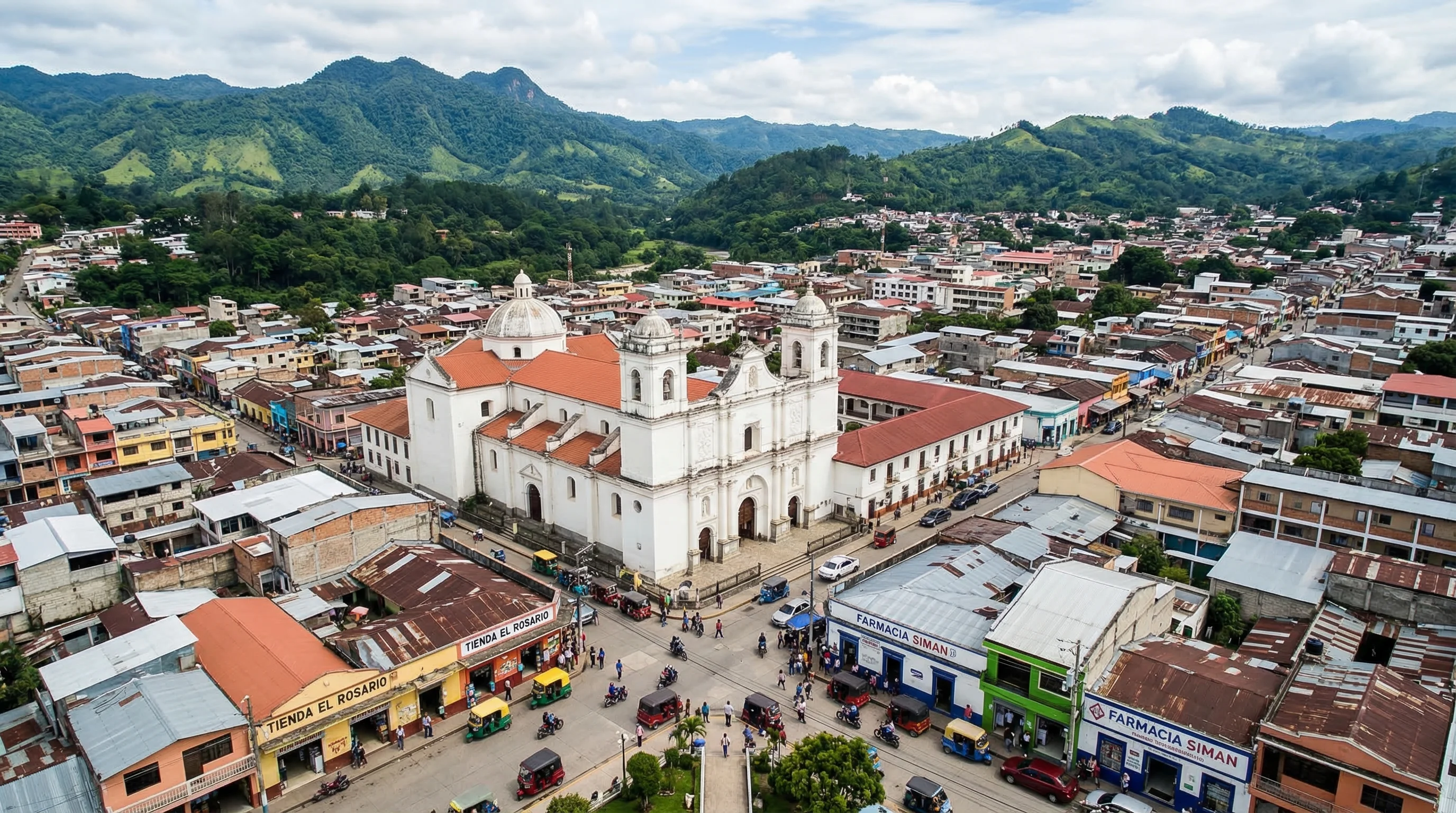
Cobán
Cobán, the capital of Guatemala's Alta Verapaz department, is a strategic logistics destination as the commercial and agricultural heart of the region. Its economy is dominated by high-value agricultural exports, most famously as a global center for coffee and cardamom production, alongside bananas, vegetables, and timber. The city's location in the Guatemalan highlands provides a natural gateway to the country's northern and eastern agricultural zones. Key transportation infrastructure includes the Carretera CA-13, a major paved highway that connects Cobán to the crucial border crossing at Tecún Umán (with Mexico) and integrates with the broader Central American highway network. While the final approach involves navigating mountainous terrain, the CA-13 provides a reliable paved route for container trucks and specialized equipment. The local logistics ecosystem is tailored to support agricultural export cycles, with warehousing and processing facilities clustered around the city, making it a vital node for moving FTL cargo from international markets to final production and export points.










