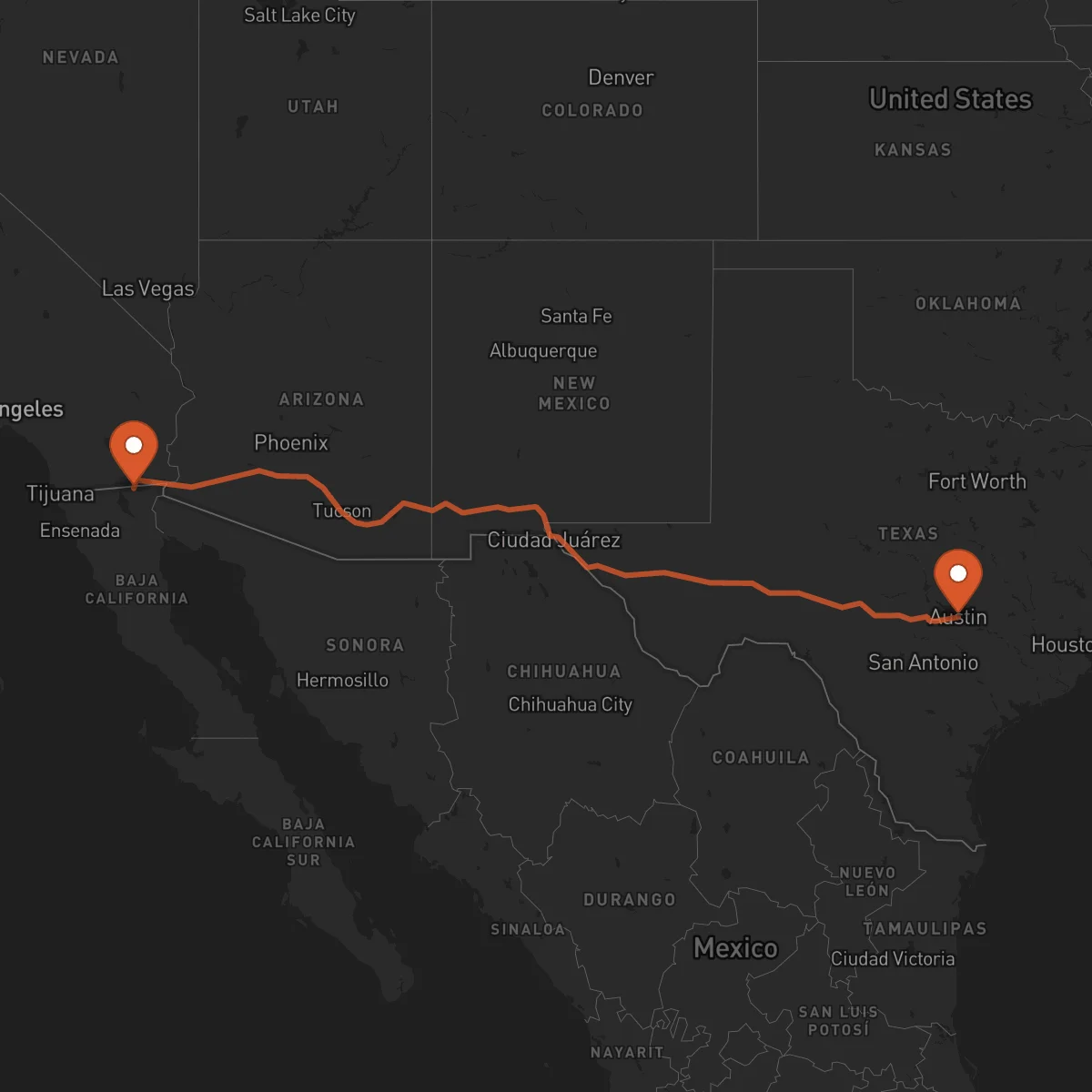
Mexicali to Austin
Austin → MexicaliFTL freight transportation service between Mexicali and Austin. Reliable logistics solutions for your business.
Route Description
Everything you need to know about the corridor Mexicali - Austin
The Mexicali-Austin corridor represents a vital logistics link between Mexico and the United States, connecting the industrial hub of Baja California with the thriving technology and business center of Texas. This cross-border route spans approximately 1,697 kilometers and facilitates the movement of high-value cargo between two dynamic economic regions. The corridor serves as a strategic artery for companies operating in automotive, aerospace, electronics, and agricultural sectors, enabling seamless supply chain operations across North America.
The transportation infrastructure along this route is robust, featuring major highways such as Mexico's Federal Highway 5 and Federal Highway 2, which connect to U.S. Interstate 10 and Interstate 35. The primary border crossing at Mexicali-Calexico offers efficient processing for commercial vehicles, while Control Terrestre's C-TPAT and FAST certifications ensure expedited customs clearance. Our team manages all documentation requirements and coordinates with trusted customs brokers to minimize delays and optimize transit times.
This corridor is particularly crucial for industries requiring temperature-controlled transportation, specialized handling, and time-sensitive deliveries. The route passes through key logistics hubs including San Antonio and Monterrey, providing multiple options for cross-docking and distribution. Control Terrestre leverages our extensive network of certified carriers and real-time tracking technology to provide reliable, secure transportation solutions that meet the complex demands of cross-border freight movement between Mexicali and Austin.
Services for this Route
Available services for the corridor Mexicali - Austin
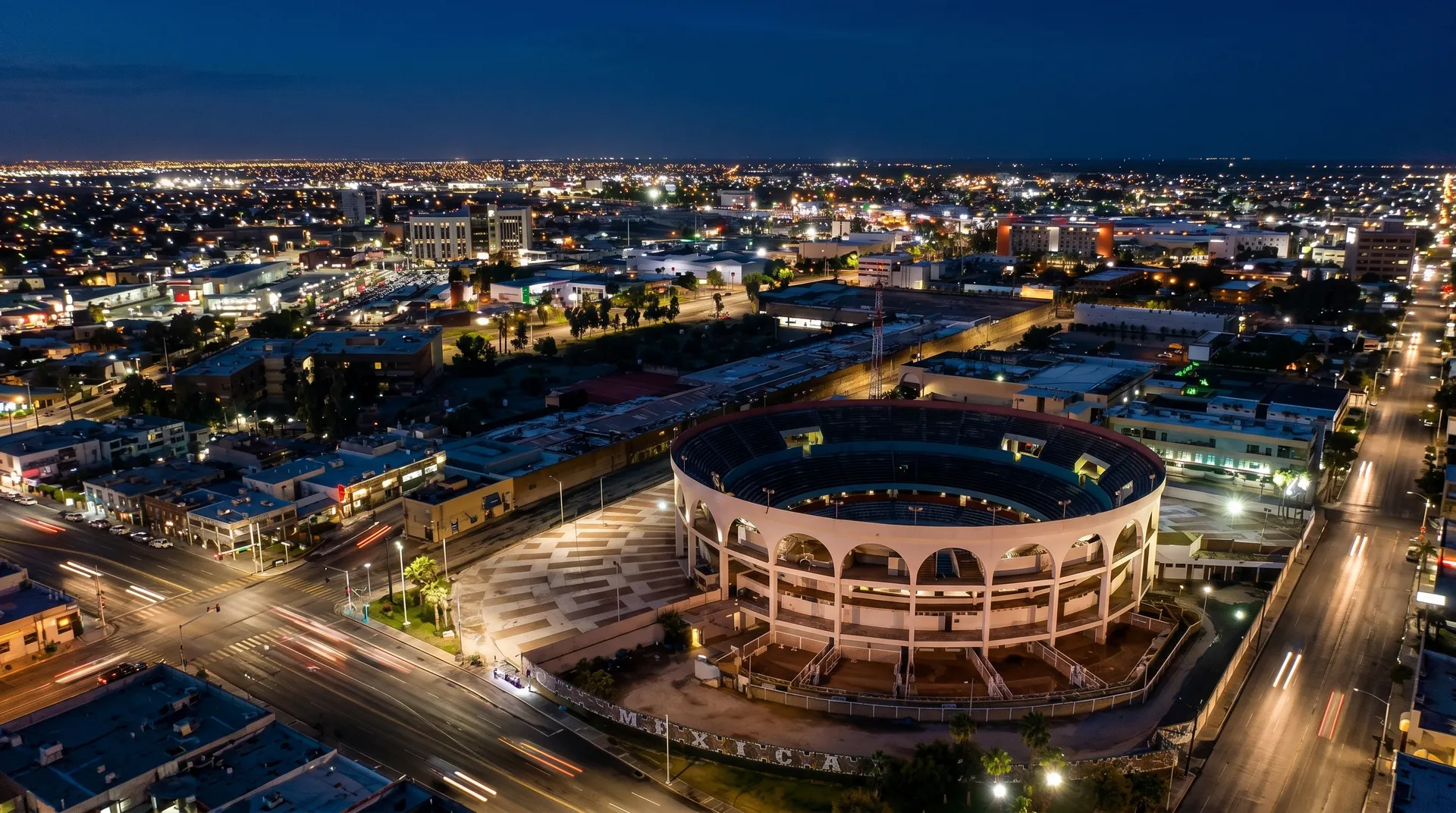 Origin
Mexicali
Mexicali stands as a strategic logistics gateway on Mexico's northern border, offering direct access to major U.S. markets through the Calexico crossing. The city has developed into a significant industrial center, particularly strong in automotive manufacturing, aerospace components, and agricultural exports. Its proximity to California's Imperial Valley creates unique opportunities for cross-border agricultural trade, while the presence of maquiladoras and manufacturing plants generates substantial freight volume requiring efficient transportation solutions.
The city boasts excellent transportation infrastructure, including the Mexicali International Airport for air cargo, multiple rail connections through Ferromex, and a comprehensive highway network. The port of entry at Calexico processes thousands of commercial vehicles daily and features modern facilities for customs inspection and cargo handling. Mexicali's industrial parks are equipped with advanced logistics centers, warehousing facilities, and distribution centers that support just-in-time manufacturing and complex supply chain operations.
 Destination
Austin
Austin has emerged as a major logistics and distribution center in Texas, driven by its booming technology sector, growing population, and strategic central location. The city serves as a hub for semiconductor manufacturing, computer technology, and innovative startups, creating demand for sophisticated logistics solutions. Austin's economic diversity, including healthcare, education, and entertainment industries, generates varied freight transportation needs that require flexible and reliable service providers.
The city benefits from excellent transportation infrastructure, including Austin-Bergstrom International Airport with dedicated cargo facilities, multiple rail connections through Union Pacific, and access to major highways including Interstate 35, which connects directly to San Antonio and Dallas. The surrounding region features numerous industrial parks, warehousing facilities, and distribution centers strategically located to serve both local and national markets. Austin's growing e-commerce sector and last-mile delivery requirements make it an increasingly important destination for freight transportation services.










