Mexicali to Cheyenne
Cheyenne → MexicaliFTL freight transportation service between Mexicali and Cheyenne. Reliable logistics solutions for your business.
Route Description
Everything you need to know about the corridor Mexicali - Cheyenne
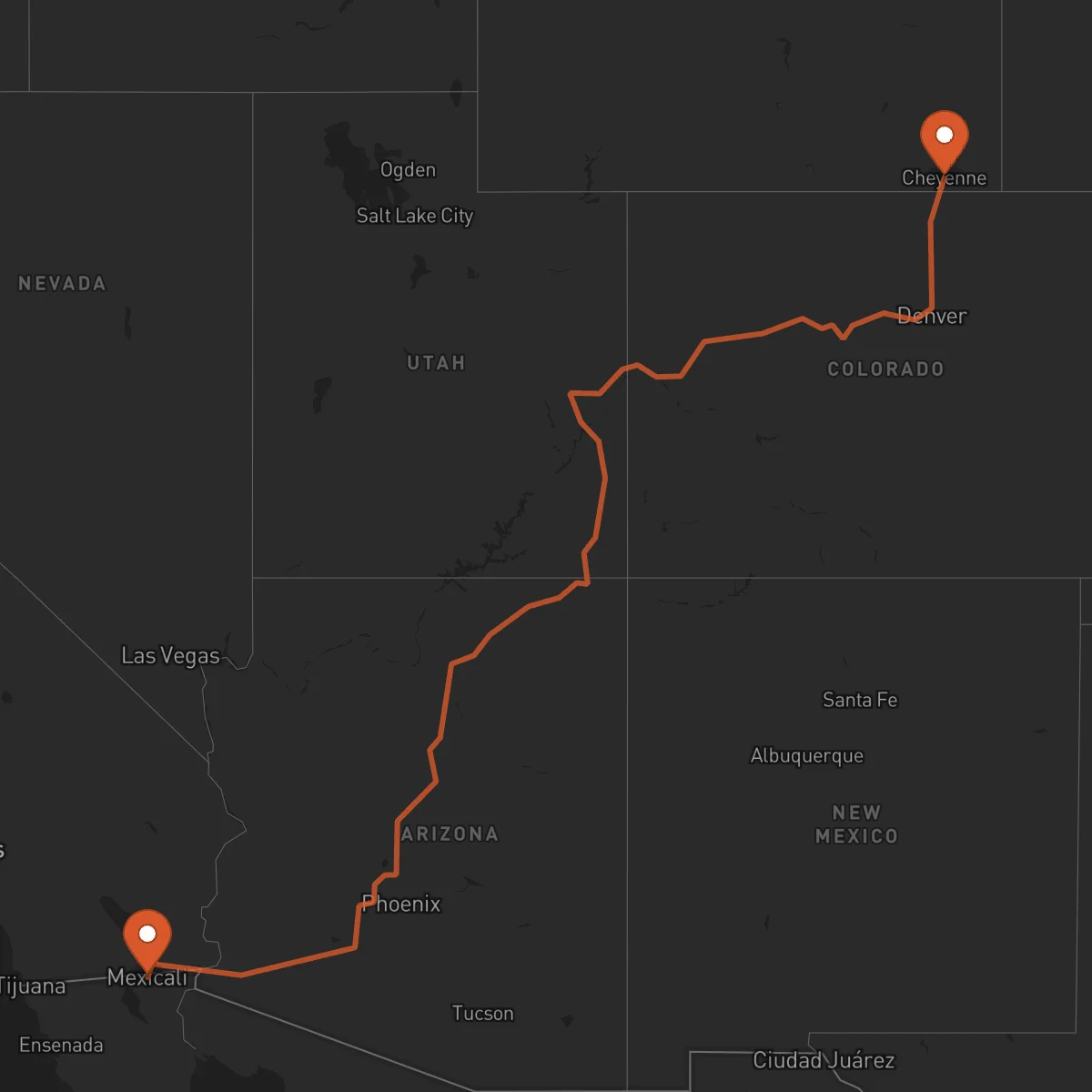
The Mexicali-Cheyenne corridor represents a vital logistics connection between northern Mexico and the central United States, spanning approximately 1335 kilometers across diverse terrain and economic regions. This cross-border route traverses from the agricultural and manufacturing hub of Mexicali through major transportation corridors in California, Nevada, and Utah before reaching the industrial and energy center of Cheyenne, Wyoming. The corridor's strategic importance lies in its ability to connect the Pacific manufacturing corridor with the central U.S. distribution network, facilitating the movement of goods between Mexico's export-oriented economy and America's inland distribution centers.
The route primarily utilizes Interstate 8 and Interstate 80, two of the most heavily trafficked freight corridors in North America. These highways provide excellent infrastructure for full truckload (FTL) transportation, with multiple lanes, modern rest areas, and well-maintained facilities. The journey crosses the U.S.-Mexico border at Calexico/Mexicali, one of the busiest commercial ports of entry in the region, where efficient customs processing is essential for maintaining supply chain velocity. Control Terrestre's expertise in cross-border operations ensures seamless documentation, compliance with both Mexican and U.S. regulations, and optimized transit times through our established relationships with customs brokers and border authorities.
This corridor serves a diverse range of industries, including automotive parts manufacturing, agricultural products, electronics, and industrial equipment. Mexicali's maquiladora industry produces high-value components that require reliable transportation to assembly plants and distribution centers throughout the central United States. Meanwhile, Cheyenne's strategic location as a logistics hub for Wyoming's energy sector and agricultural industries creates demand for inbound freight from Mexican manufacturers. The route also supports the growing e-commerce and retail sectors, with businesses requiring consistent, dedicated transportation services for inventory replenishment and just-in-time delivery schedules.
Services for this Route
Available services for the corridor Mexicali - Cheyenne
 Origin
Mexicali
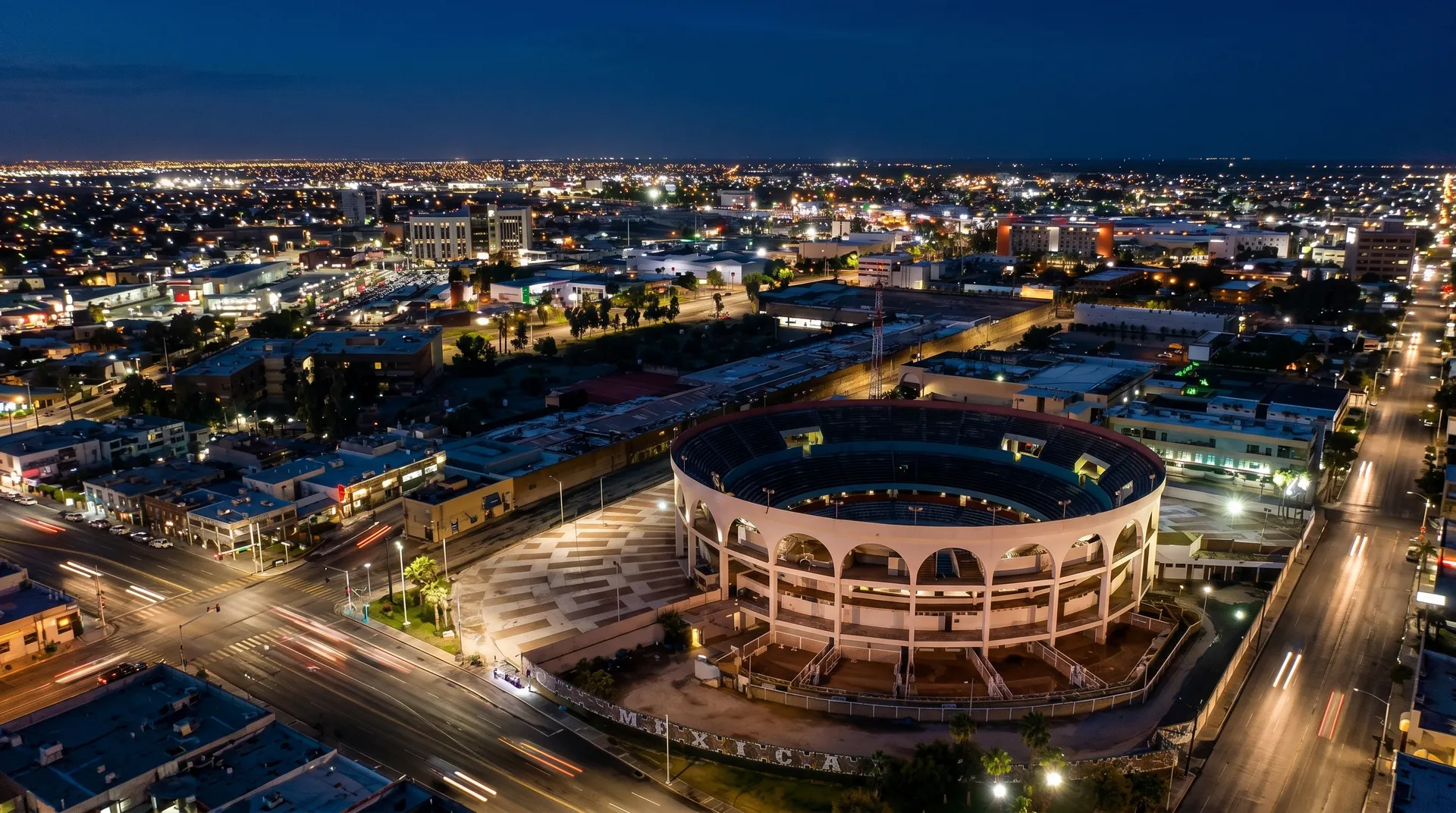
Mexicali, located in Baja California, Mexico, serves as a strategic logistics gateway due to its position adjacent to the U.S. border and its well-developed industrial infrastructure. The city hosts over 180 maquiladora plants, primarily focused on aerospace, automotive, electronics, and medical device manufacturing. Mexicali's economy benefits from its proximity to California markets while maintaining competitive operational costs. The city features modern transportation infrastructure including the Mexicali International Airport, extensive highway networks connecting to major Mexican ports, and the Calexico East border crossing, which provides efficient commercial vehicle access to the United States. The region's industrial parks offer consolidated logistics services, warehousing, and value-added operations that support the full supply chain from Mexican production to North American distribution.
 Destination
Cheyenne
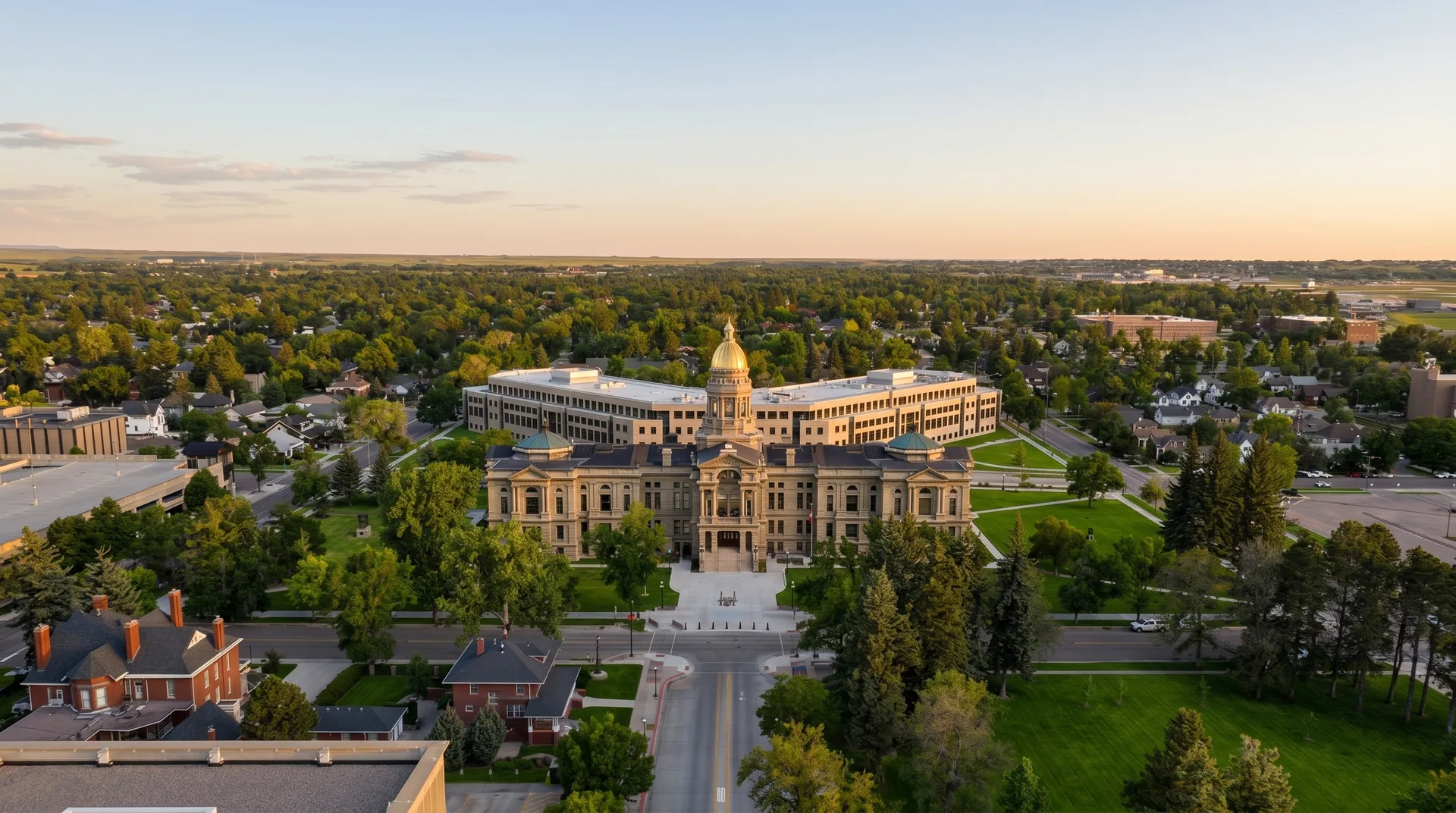
Cheyenne, Wyoming, represents a strategic logistics hub in the central United States, leveraging its location at the intersection of major interstate highways and rail networks. The city serves as the capital and largest metropolitan area in Wyoming, with a diverse economy centered on government services, energy production, and logistics operations. Cheyenne's industrial base includes significant activity in oil and gas equipment manufacturing, agricultural machinery, and distribution centers for major retailers. The city benefits from excellent transportation infrastructure, including Interstate 80, which provides direct access to both coasts, and the Union Pacific Railroad's major classification yard. Cheyenne's elevation and central location make it an ideal distribution point for goods destined for the mountain states, upper Midwest, and Pacific Northwest regions.










