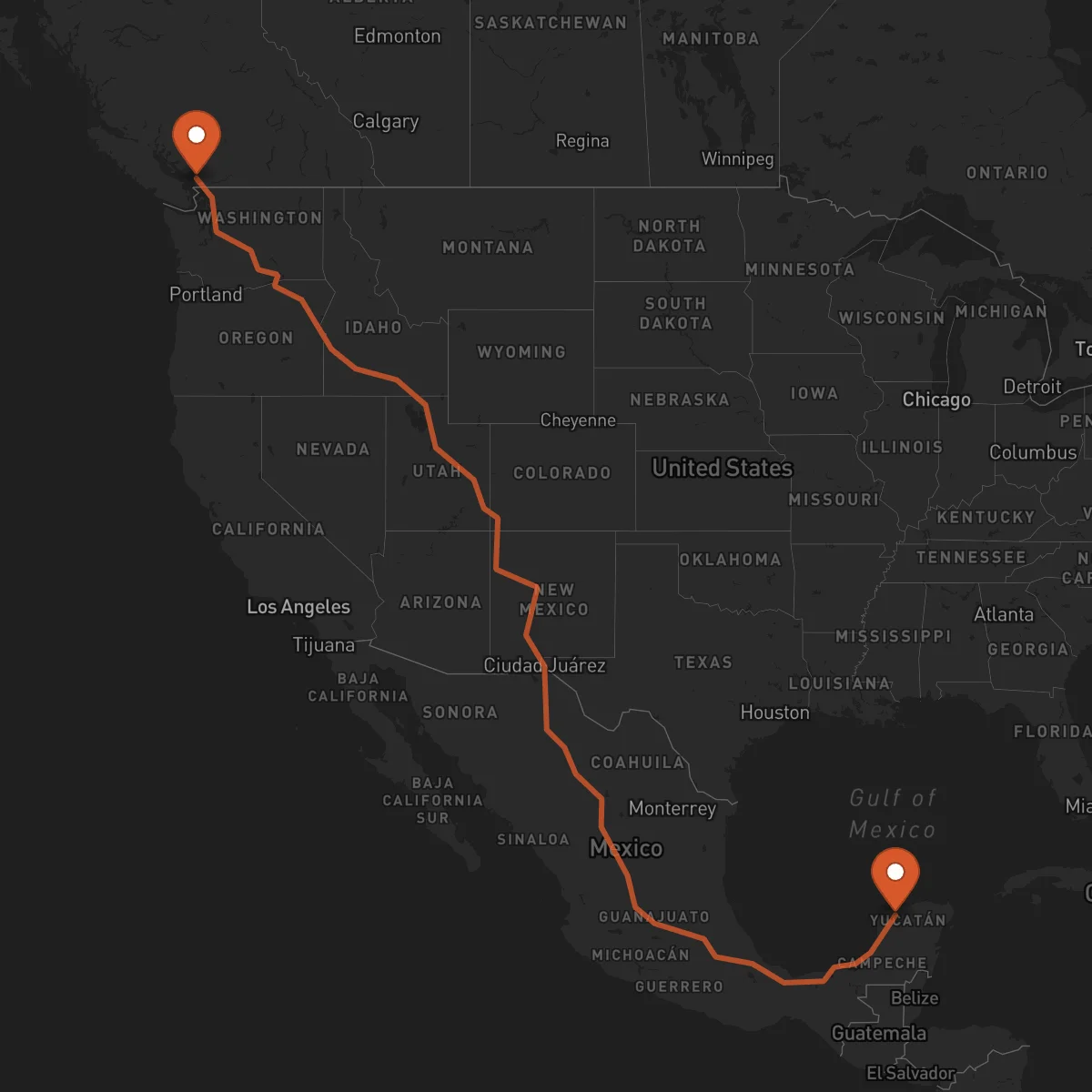
Mérida to Vancouver
Vancouver → MéridaFTL freight transportation service between Mérida and Vancouver. Reliable logistics solutions for your business.
Route Description
Everything you need to know about the corridor Mérida - Vancouver
The Mérida-Vancouver corridor represents a vital logistics connection between the southeastern region of Mexico and the Pacific Northwest of Canada. This approximately 4,318 km route traverses multiple states and provinces, connecting the vibrant Yucatán Peninsula with one of Canada's most important port cities. This corridor is particularly strategic for industries requiring specialized transportation services, including refrigerated goods, hazardous materials, and oversized cargo. The route primarily utilizes Mexico's Federal Highway 180 and Federal Highway 180D, transitioning through the United States via major interstate highways before crossing into Canada through various border points. Control Terrestre's extensive network of certified carriers ensures seamless cross-border operations, handling all necessary customs documentation and compliance requirements for full truckload shipments along this extensive corridor.
Services for this Route
Available services for the corridor Mérida - Vancouver
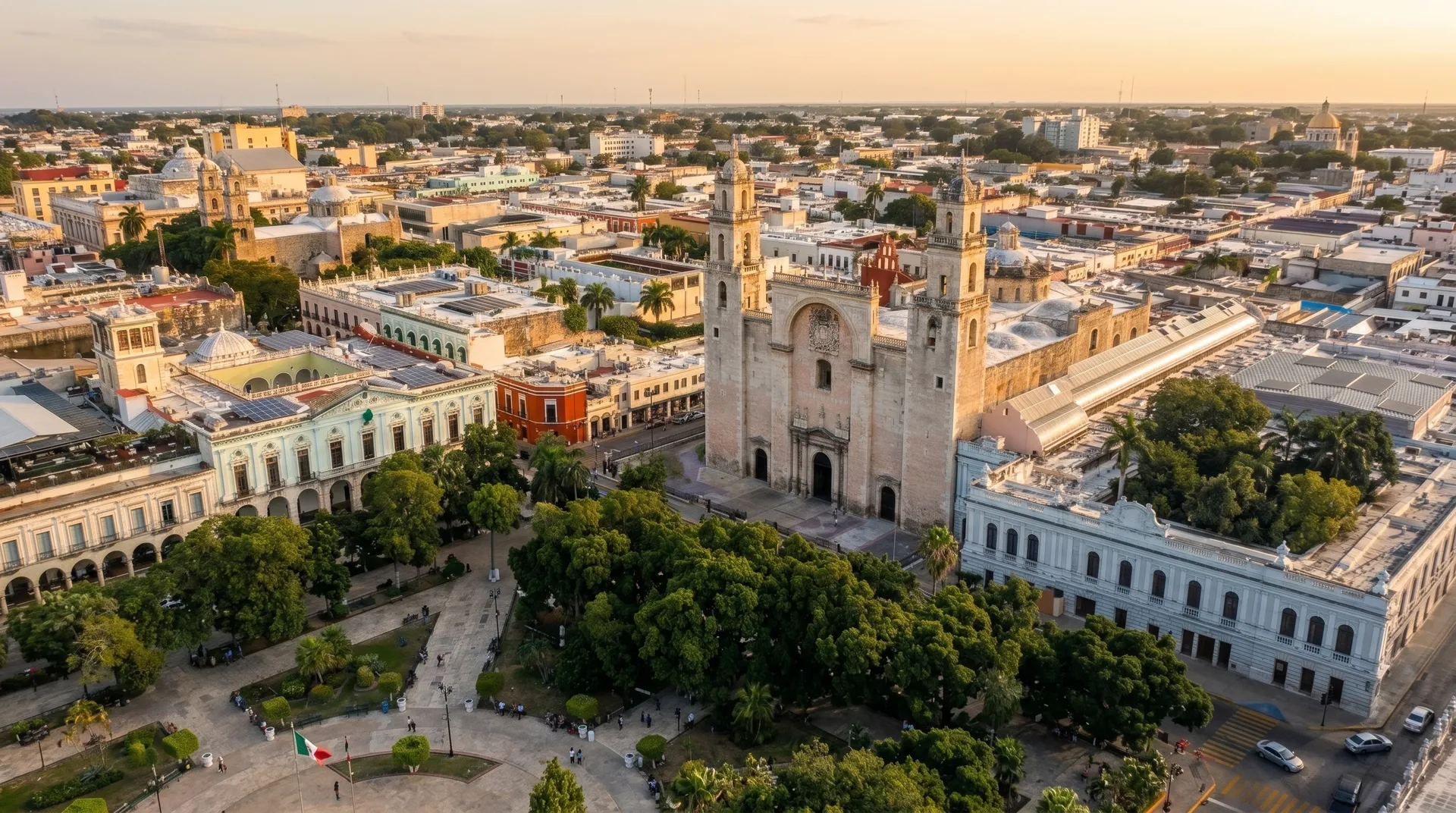 Origin
Mérida, the capital of Yucatán, serves as a strategic logistics hub for the southeastern region of Mexico. Known for its thriving automotive industry, agricultural exports, and growing manufacturing sector, Mérida offers excellent connectivity through its proximity to major ports and airports. The city's infrastructure includes well-maintained highways connecting to other parts of the Yucatán Peninsula and beyond, making it an ideal origin point for cross-border freight transportation. The region's economic activities, including food processing, textile manufacturing, and agricultural production, generate consistent demand for reliable FTL transportation services to northern markets.
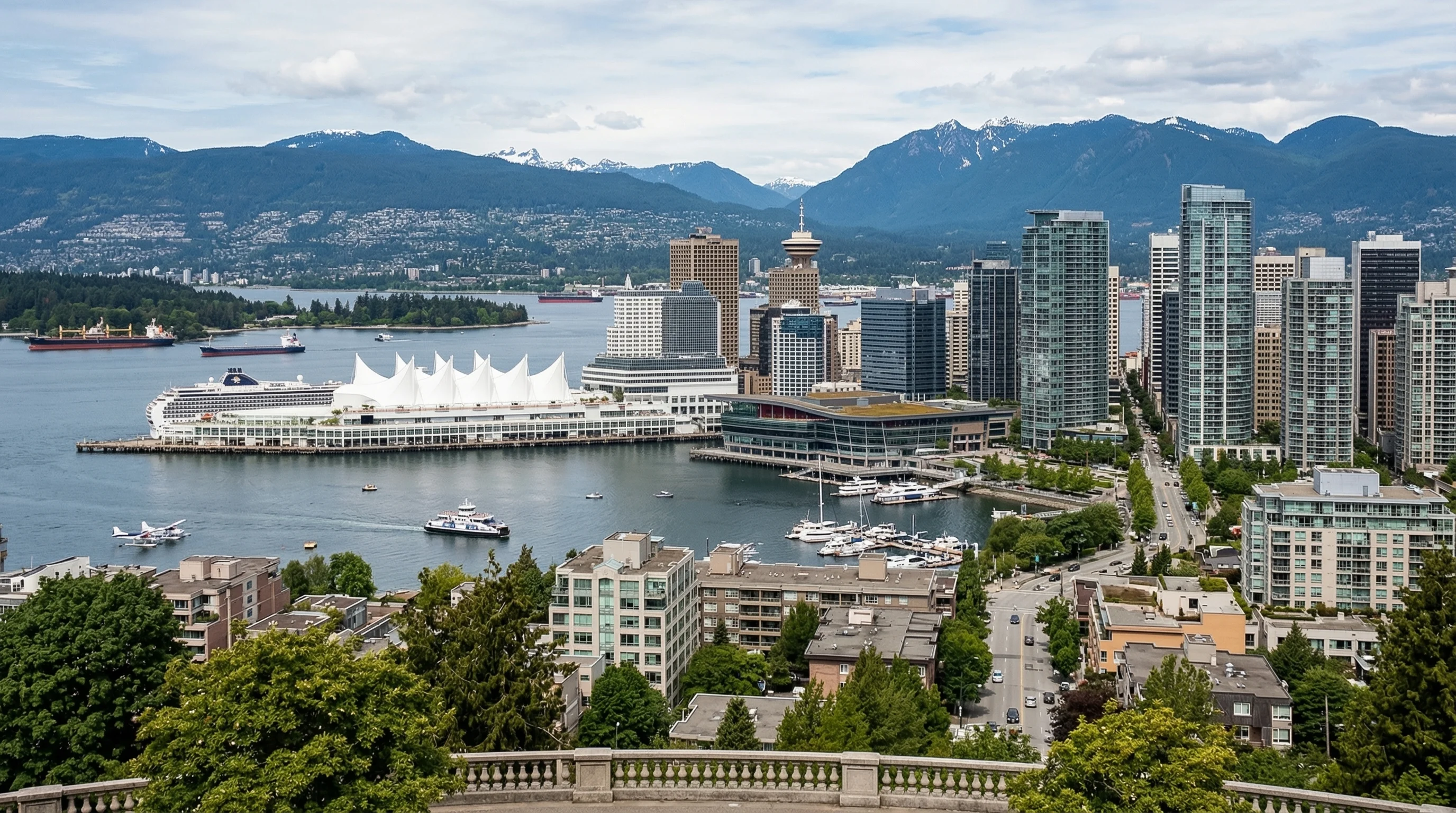 Destination
Vancouver
Vancouver stands as Canada's primary gateway to the Pacific, offering exceptional strategic value for logistics operations. As one of North America's busiest ports, Vancouver provides access to international shipping routes and serves as a critical distribution center for goods entering and leaving Western Canada. The city's robust infrastructure includes major highways, rail connections, and port facilities that facilitate efficient cargo movement. Vancouver's diverse economy, encompassing technology, natural resources, and international trade, creates substantial demand for specialized freight services. The metropolitan area's logistics network is well-equipped to handle various cargo types, from standard freight to temperature-sensitive and oversized shipments.










