Madison to Sonsonate
Sonsonate → MadisonFTL freight transportation service between Madison and Sonsonate. Reliable logistics solutions for your business.
Route Description
Everything you need to know about the corridor Madison - Sonsonate
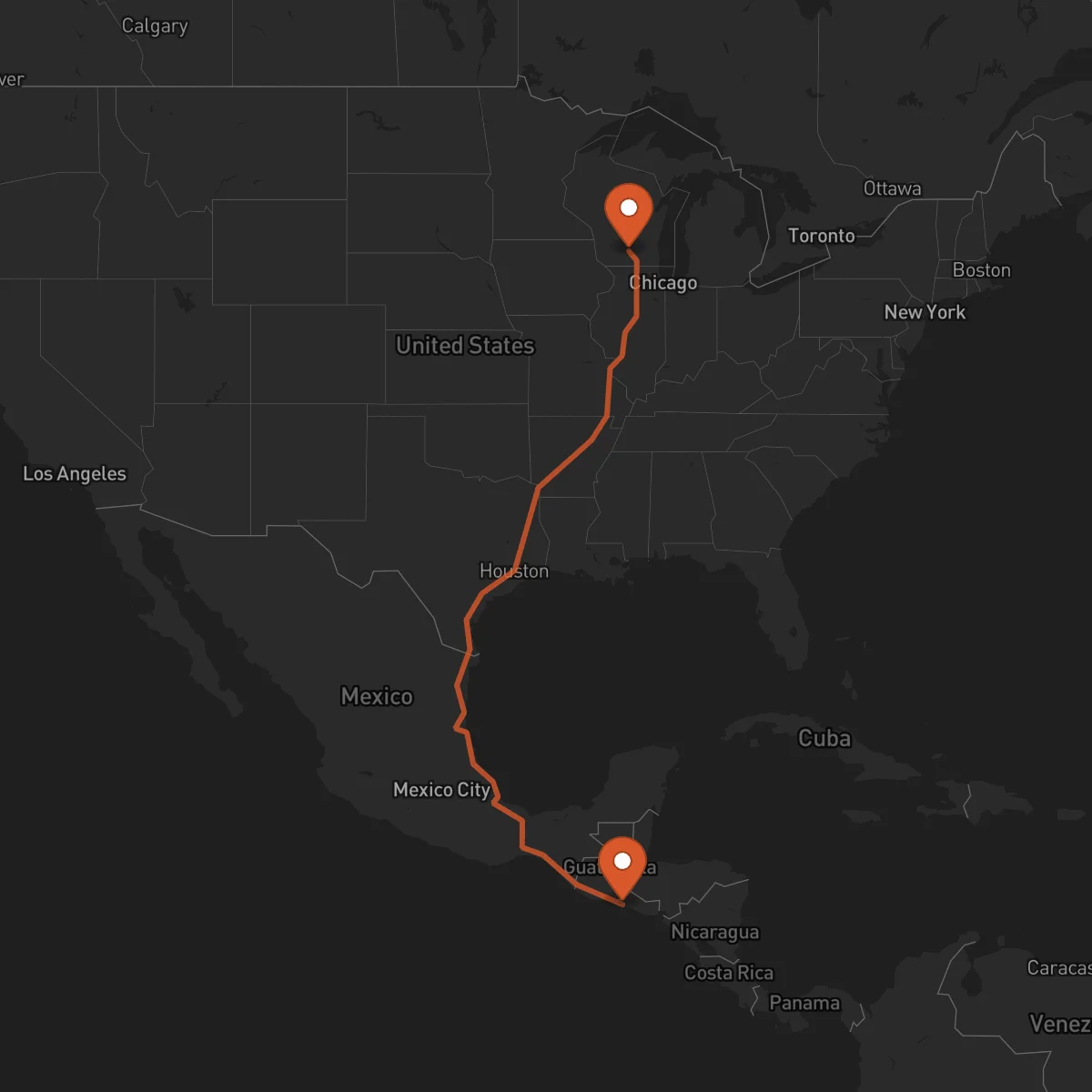
The Madison to Sonsonate corridor represents a critical cross-border logistics artery connecting the industrial heartland of the U.S. Midwest with the dynamic Pacific coast of Central America. This route, spanning approximately 3,264 km, is a vital conduit for trade between the United States and El Salvador, facilitating the flow of goods essential to both regional economies. Its strategic importance lies in its ability to bridge major manufacturing and agricultural zones with key consumption and distribution hubs, supporting integrated supply chains across national boundaries.
Economically, the corridor links Madison's robust manufacturing and agricultural output with Sonsonate's role as a commercial and agricultural processing center in El Salvador. Primary industries leveraging this route include agriculture (moving inputs like fertilizers and equipment south, and exporting processed foods north), manufacturing (transporting machinery, parts, and finished goods), and consumer goods distribution. The corridor's efficiency directly impacts the competitiveness of businesses on both ends, making reliable transit a cornerstone of their operations.
Infrastructure along the route relies on a network of major U.S. highways (I-90, I-94) connecting to southern routes through Mexico, such as the Pan-American Highway corridor. Key border crossings involve Mexico's southern border with Guatemala (e.g., Ciudad Hidalgo/Tecún Umán) and subsequent transit through Guatemala to the El Salvador border at San Cristóbal Las Minas. Navigating these crossings requires expertise in customs documentation and compliance with regulations like C-TPAT and FAST for U.S. entry/exit, and BASC for Central American security standards.
Control Terrestre facilitates seamless operations on this corridor through our alliance of certified providers. We manage the full complexity of cross-border freight, coordinating dedicated FTL services, handling customs brokerage support, and ensuring compliance with all international regulations. Our expertise in specialized cargo, including refrigerated and oversized shipments, allows us to tailor solutions for the diverse needs of this route, providing a single, human point of contact for your entire supply chain from Wisconsin to western El Salvador.
Services for this Route
Available services for the corridor Madison - Sonsonate
 Origin
Madison
Madison, Wisconsin, serves as a strategic logistics origin due to its central location in the U.S. Midwest and its strong multimodal connections. The city is a hub for advanced manufacturing, technology, and agriculture, with key sectors including dairy and food processing, biotechnology, and industrial machinery. Its infrastructure is anchored by the Port of Madison on the Wisconsin River, providing barge access, and it is intersected by major interstate highways I-90 and I-94, which provide direct, high-capacity routes south to Chicago and westward to Minneapolis. This highway network is fundamental for initiating long-haul trucking to southern borders. Additionally, Madison is within reach of major rail intermodal facilities, offering flexible options for cargo consolidation before final truck dispatch.
 Destination
Sonsonate
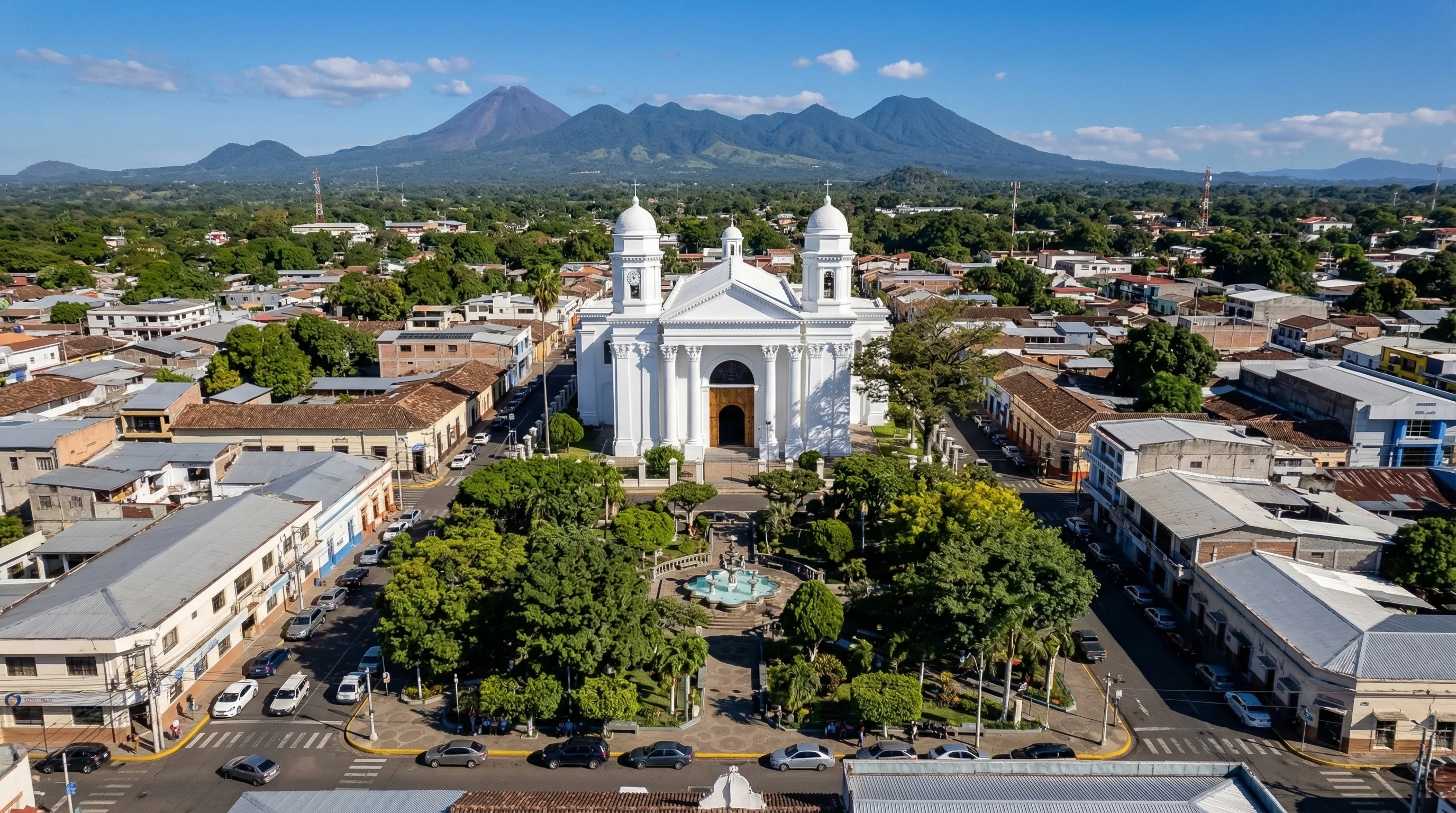
Sonsonate, located on El Salvador's Pacific coast, is a strategically important logistics destination and commercial gateway. The city and its surrounding region are central to El Salvador's agricultural economy, particularly in coffee, sugarcane, and shrimp farming, and host significant food processing and textile manufacturing industries. Its coastal position provides direct access to maritime ports like Acajutla, enabling efficient integration with global sea freight. Key transportation infrastructure includes the CA-1 highway, which is part of the Pan-American network, connecting Sonsonate inland to San Salvador and northward toward the Guatemalan border. This highway corridor is the primary terrestrial artery for receiving imported goods and distributing them throughout the country and into neighboring Central American markets.










