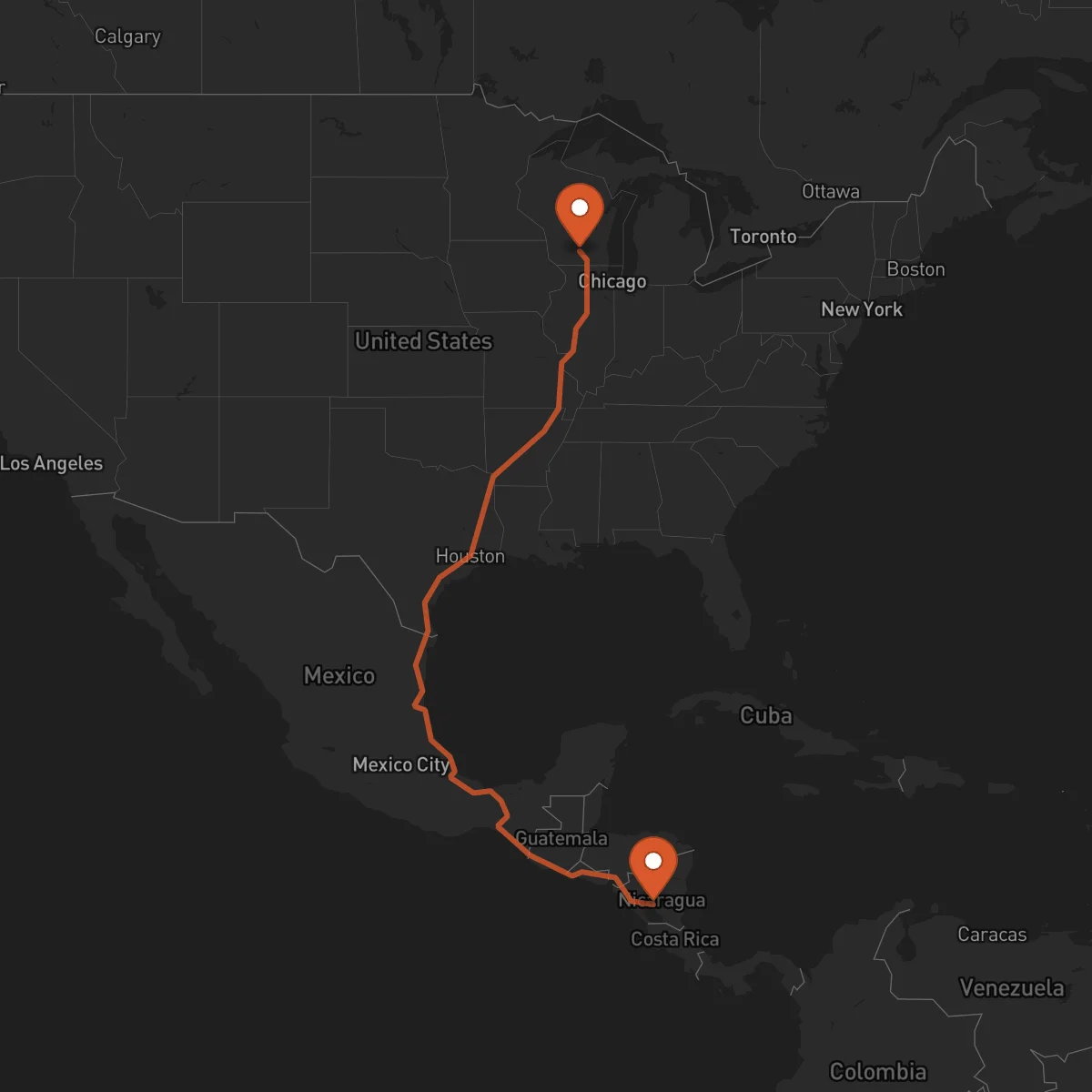
Madison to Juigalpa
Juigalpa → MadisonFTL freight transportation service between Madison and Juigalpa. Reliable logistics solutions for your business.
Route Description
Everything you need to know about the corridor Madison - Juigalpa
The freight corridor connecting Madison, Wisconsin, with Juigalpa, Chontales, represents a critical North American to Central American logistics link. This cross-border route spans approximately 3,466 km, serving as a vital artery for trade between the industrial upper Midwest of the United States and the agricultural heartland of Nicaragua. Its strategic importance lies in bridging major production and consumption centers, enabling the efficient movement of goods across three national borders. The economic context is defined by the export of manufactured goods, machinery, and dairy products from Wisconsin's robust industrial base to meet the demand in Nicaragua's growing market, while facilitating the inbound flow of agricultural commodities and raw materials from Central America. Key industries leveraging this corridor include food and beverage manufacturing, agricultural inputs, industrial equipment suppliers, and consumer goods distributors requiring reliable full truckload solutions. The primary transportation infrastructure relies on the U.S. Interstate system, notably I-94 south from Madison, transitioning to Mexico's federal highway network (such as Fed. 85 and Fed. 190) to reach the southern border. From there, the route continues through Guatemala via the CA-1 Pan-American Highway corridor and into Nicaragua on the NIC-1 highway to Juigalpa. Crucial border crossings include the Mexico-Guatemala frontier (e.g., Tecún Umán/La Hacienda) and the Guatemala-Nicaragua border at Peñas Blancas. Navigating customs and regulatory compliance requires expertise in each nation's import/export protocols. Control Terrestre facilitates seamless operations on this complex corridor by leveraging our alliance of certified carriers. Our providers hold key credentials including C-TPAT, FAST, and BASC, which streamline customs procedures and enhance security. We manage the entire cross-border process, coordinating dedicated FTL capacity—from dry vans and reefers to specialized equipment for oversized or regulated cargo—ensuring a single point of contact for your door-to-door shipment from Madison to Juigalpa.
Services for this Route
Available services for the corridor Madison - Juigalpa
 Origin
Madison
Madison, Wisconsin, serves as a strategic logistics hub for the Upper Midwest, offering exceptional connectivity to national and international freight networks. Its central location within the state provides direct access to major population centers and industrial zones in Illinois, Minnesota, and Michigan. The city is a cornerstone of Wisconsin's diverse economy, dominated by advanced manufacturing, food and beverage production (notably dairy), biotechnology, and agricultural technology. This industrial base generates consistent demand for outbound freight transportation of finished goods, components, and perishable products. Key transportation infrastructure includes Interstate 94, a primary east-west corridor linking Madison to Milwaukee, Chicago, and Minneapolis-St. Paul, and ultimately to the Canadian border. The region is also well-served by extensive rail intermodal facilities and is within reach of major Great Lakes shipping ports. For freight forwarders, Madison's infrastructure supports efficient consolidation and dispatch of full truckload shipments destined for the southern U.S. border and beyond. The presence of a skilled workforce and a business-friendly environment further solidifies its role as a key origin point for cross-border logistics into Mexico and Central America.
 Destination
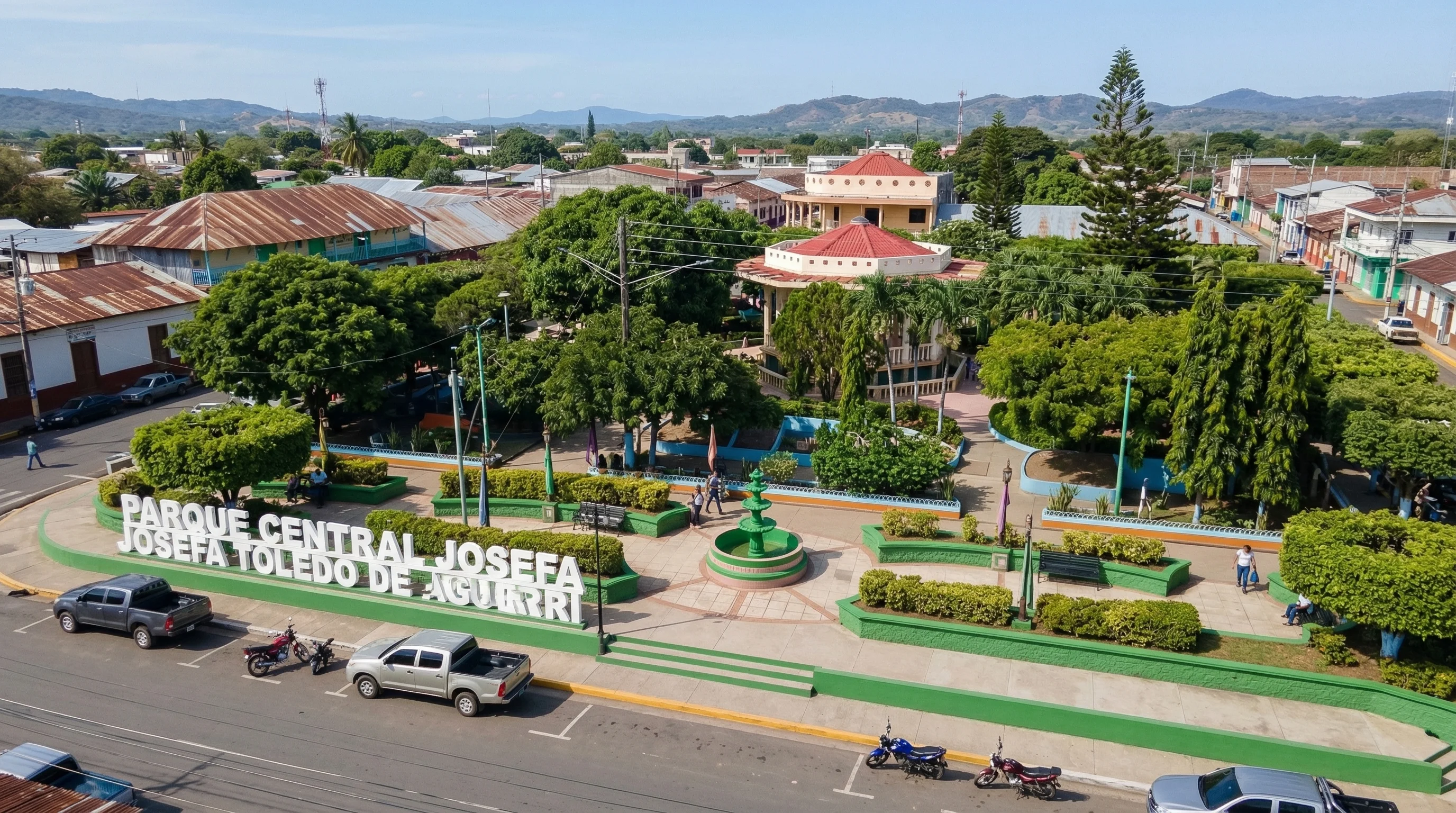
Juigalpa, the capital of Nicaragua's Chontales department, holds a strategic logistic position as a central hub in the country's interior, serving the agriculturally rich central and southern regions. It is a critical gateway for the nation's production of beef, dairy, coffee, sesame, and a variety of fruits and vegetables. The local economy is deeply tied to agriculture, livestock, and light manufacturing that processes these raw materials, creating a steady flow of outbound freight. For inbound logistics, Juigalpa acts as a distribution point for manufactured goods, machinery, and consumer products destined for this part of Nicaragua. Its transportation infrastructure is anchored by the NIC-1 highway, which provides the primary paved road connection north to Managua (the capital and main port of Corinto) and south to other regional centers. While not a seaport itself, its location on this highway network makes it a key land-based logistics node for moving cargo from Pacific ports to the interior. The road network connects to the broader Central American highway system, facilitating overland transport from neighboring countries. For international freight forwarders, Juigalpa represents an essential destination for full truckload services, requiring expertise in final-mile delivery within Nicaragua and the management of cross-border documentation from Guatemala and Mexico.










